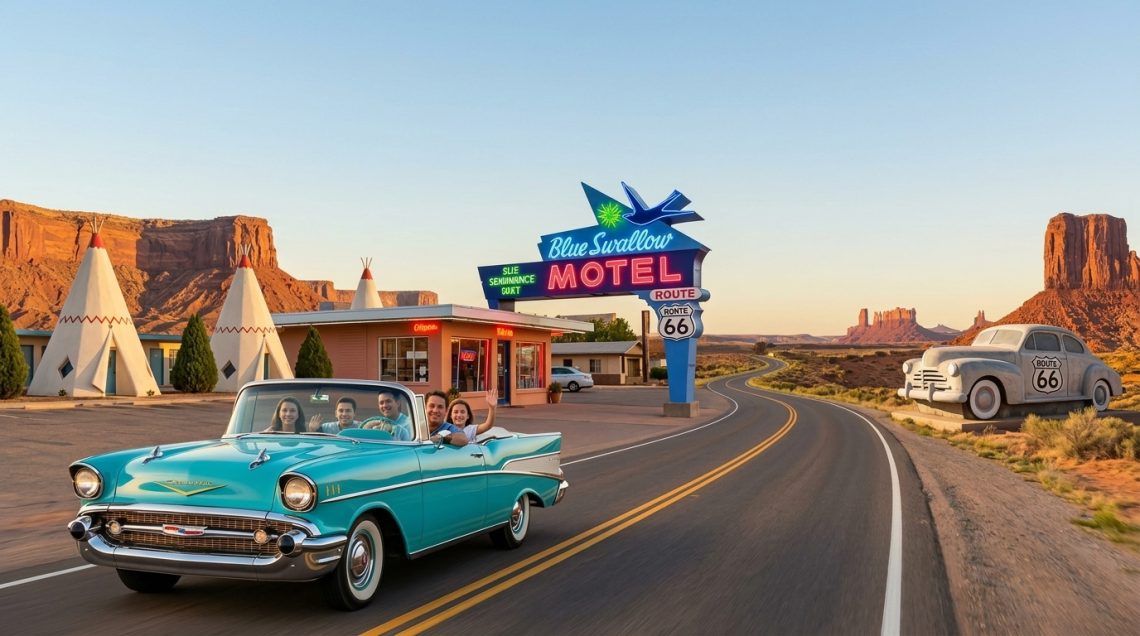
As Route 66 turns 100 in 2026, that milestone is inspiring more travellers to revisit the classic roadside stops that helped shape America’s most famous highway. While many road trips focus on big cities or beautiful national parks, Route 66 offers the chance to see old-fashioned diners, neon signs, quirky roadside art, historic museums, and small towns that seem like they are from another era of travel. Some are well-known photo stops, others are off-the-beaten-path detours that can add to the experience of the drive and make it more relaxed.This gallery includes Route 66 sites in Illinois, Missouri, Oklahoma, Texas, New Mexico, Arizona and California that may be of special interest during the centenary year. From restored neon districts and roadside murals to desert landmarks and nostalgic main streets, these stops combine eye candy with practical road-trip value for families, couples and first-time Route 66 travellers alike.
Chicago’s Historic Route 66 Starting Point
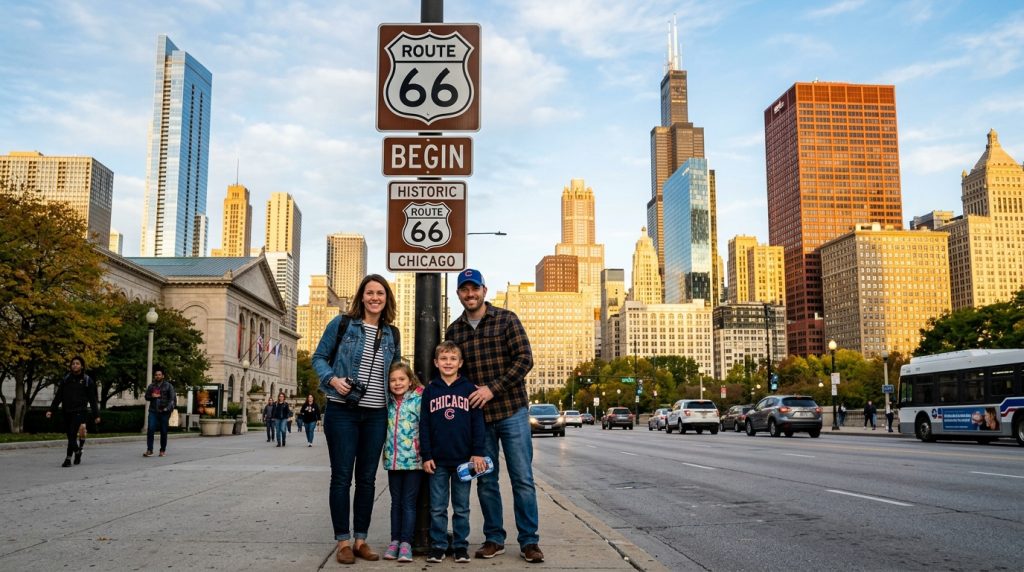
Many travelers say the trip does not fully begin until this photo stop.
Many travellers to Route 66 begin their journey in downtown Chicago, where the famous “Begin Route 66” sign has become one of the most recognisable photo stops on the entire route. The journey begins in the vicinity of Adams Street with skyline views, historic architecture and restaurants nearby before heading west. For travellers hoping to snag a classic first photo before crossing eight states during the centenary year, this stop could feel even more meaningful. Visiting early in the morning can make the area easier to explore and often provide cleaner photos with less traffic. Families and first-timers also love that several of the major attractions are walkable.
Pontiac, Illinois Murals and Route 66 Museum
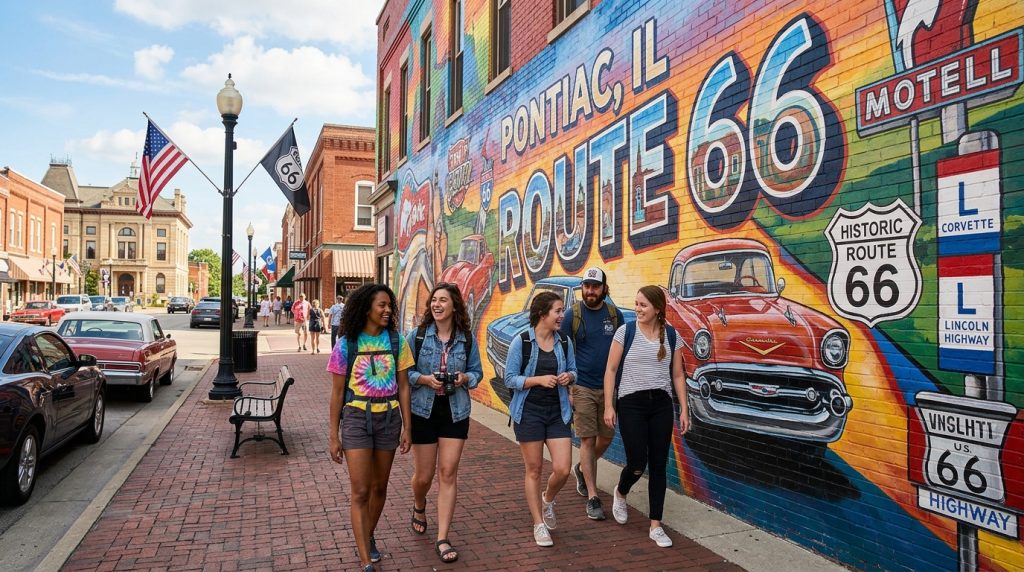
This Illinois town may deliver more Route 66 nostalgia than some larger cities.
Pontiac is one of the most visually recognisable small towns along Route 66, with colourful murals, vintage signage and a Route 66 Hall of Fame and Museum. People often stop here because you can walk around the downtown and take pictures without taking an entire day off. The murals create a relaxed roadside vibe, especially good for family photos and for breaks in between longer drives. Pontiac may attract even more visitors in the centenary year and they will be looking for classic Americana visuals that still feel authentic and approachable. The town also has a number of nostalgic roadside details that are easy to miss when driving too fast through Illinois.
Gateway Arch Side Trip in St. Louis
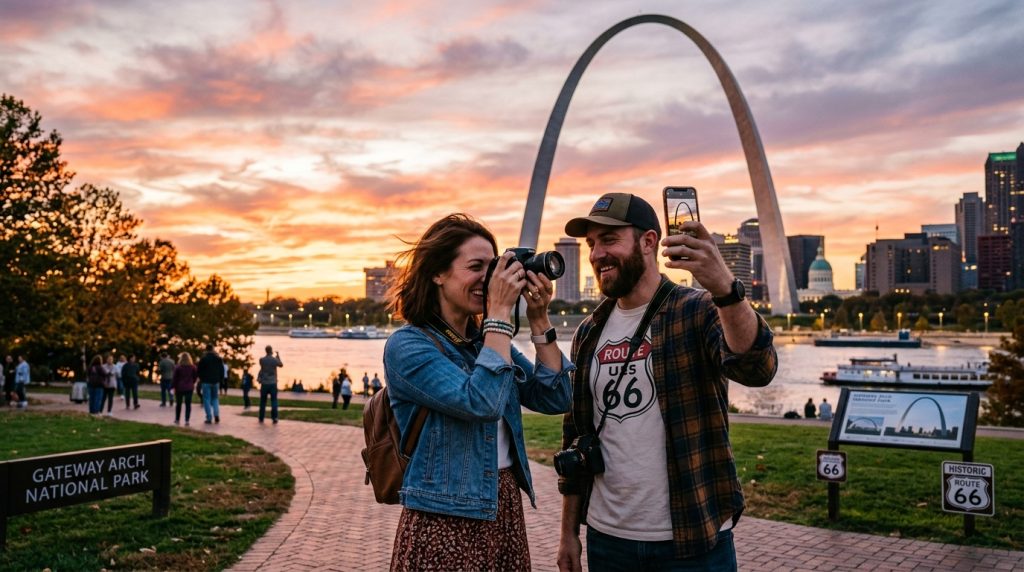
One short detour can add a completely different feel to the Route 66 drive.
While The Gateway Arch may not be a Route 66 attraction per se, it is one of the most popular detours for travellers passing through St. Louis. The monument provides a familiar national landmark on the trip, and helps to break up the long hours of highway driving. Families can enjoy the riverfront space nearby, museum access and walkable downtown before returning to the route. Many travellers in the centenary year may mix classic Route 66 nostalgia with other larger American landmarks connected to the history of westward travel. If you go very early or late in the day, you may be able to avoid the larger crowds and the summer heat.
Meramec Caverns, Missour
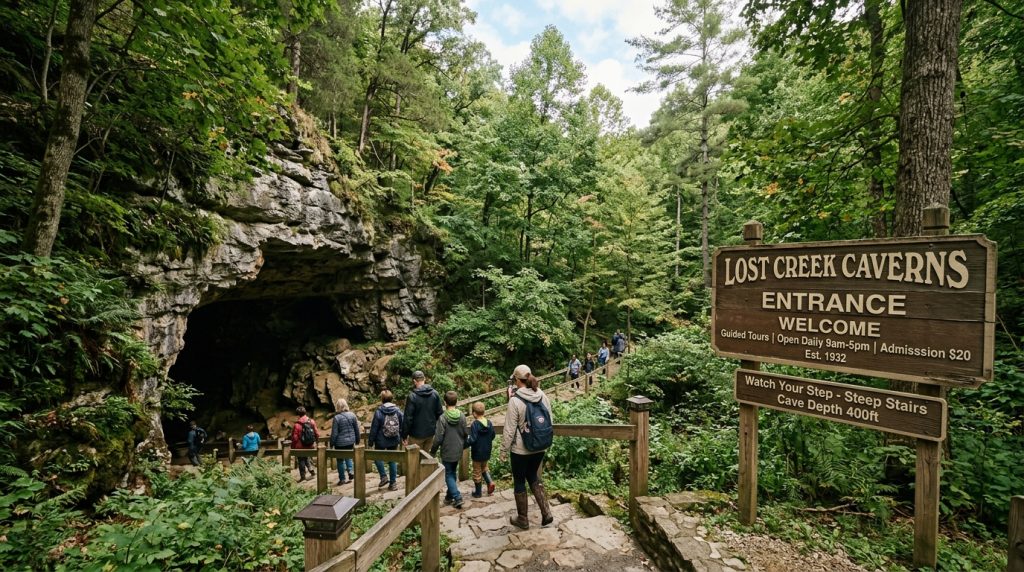
This cave stop has been pulling Route 66 travelers off the road for decades.
Meramec Caverns has been a fixture on Route 66 road trips for generations with its iconic roadside barn advertisements and its underground cave tours. The attraction remains a popular stop because it provides a cooler indoor stop while driving through Missouri in hot weather. Travellers enjoy the combination of roadside nostalgia and natural scenery, especially on summer trips through several states. The cave formations paired with the guided tours and river setting slow things down after long stretches of interstate driving. Visitors in the Centennial year might also enjoy seeing one of the most famous surviving attractions associated with the original roadside culture of Route 66.
Neon Park in St. Robert, Missouri
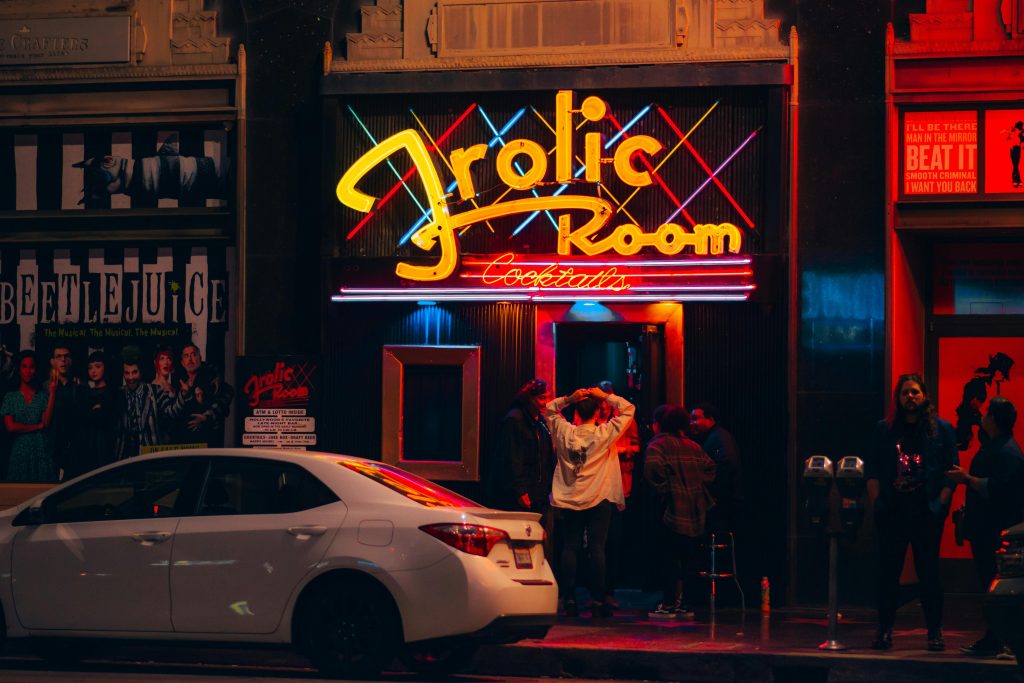
Some travelers say Route 66 feels completely different after the neon lights turn on.
The Neon Park in St. Robert is a quick stop favourite for travellers wanting restored vintage Route 66 signs without the time spent exploring a larger city. The glowing neon signs add the typical roadside feel to the place, which is particularly photogenic after sunset. Travellers driving through Missouri enjoy the fact the stop is an easy off-the-highway, right-off-the-highway experience. Interest in restored neon and vintage roadside culture may continue to grow in the centenary year as travellers seek visual reminders of classic American road trips. Evening visits often provide the strongest experience, with the illuminated signs animating the space.
Tulsa’s Art Deco Route 66 Stretch
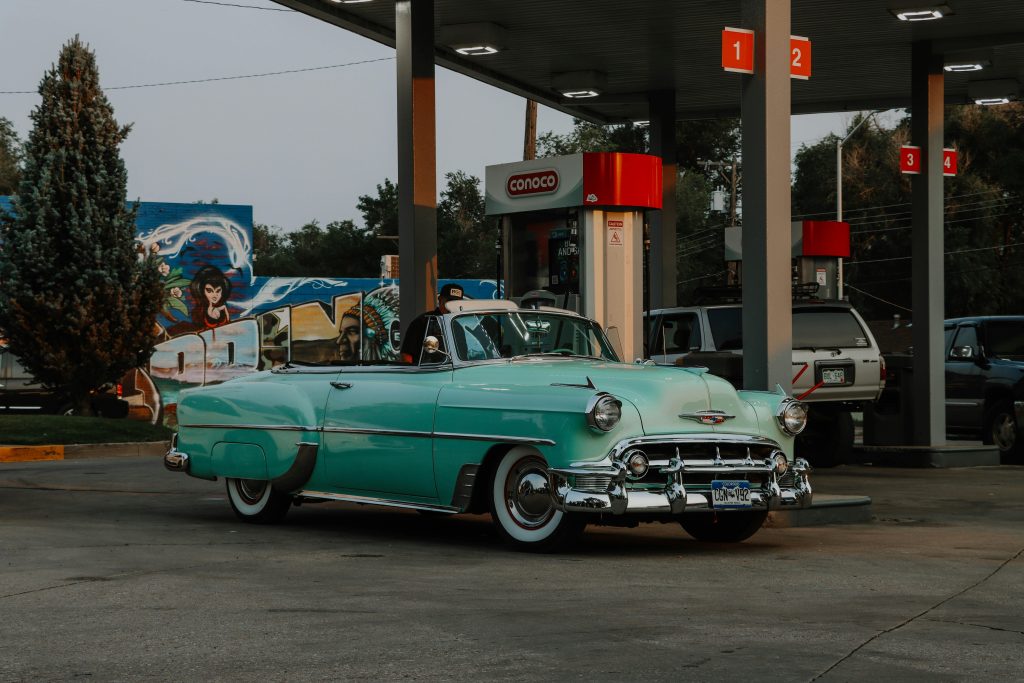
This Oklahoma city may surprise travelers expecting only small-town Route 66 stops.
Tulsa delivers Route 66 nostalgia with some of the best Art Deco architecture collections on the entire highway. The restored signs, retro shopfronts and walkable downtowns that travellers often stop to see create a more urban version of the Route 66 experience. There are also coffee shops, museums and easier overnight options for families continuing west towards Texas. Centennial visitors seem to enjoy the juxtaposition of the classic roadside culture and the refined downtown revival of Tulsa. The old neon signs and historic facades are often even more visible in the sunset light.
Oklahoma City’s Classic Roadside Stops
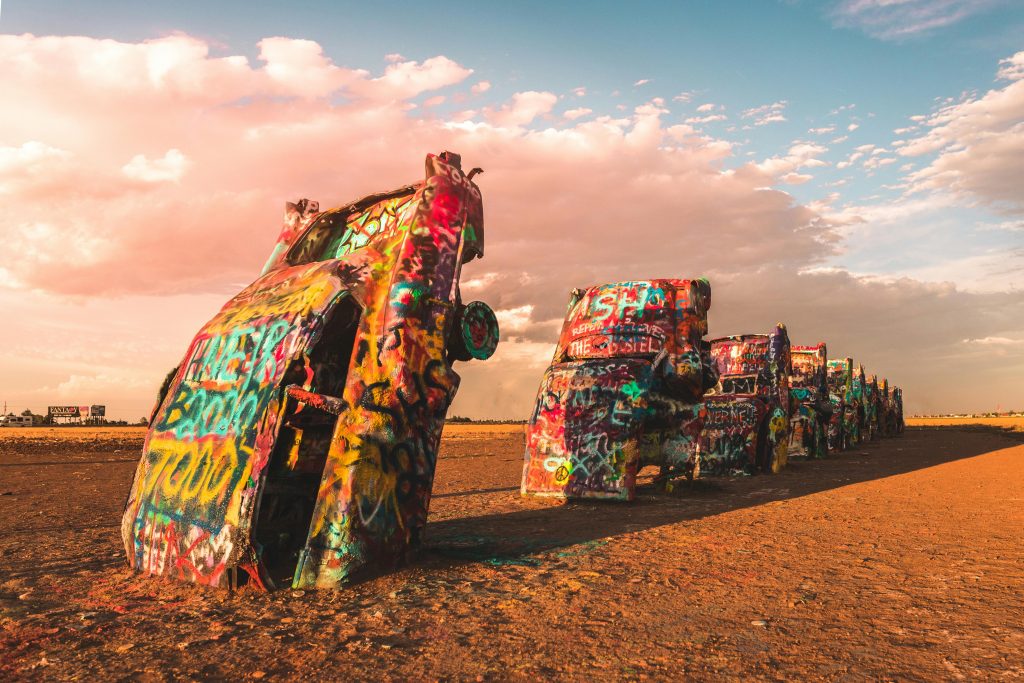
Some of Route 66’s easiest nostalgic stops are hidden inside larger cities.
Oklahoma City has a few easy-to-reach Route 66 roadside stops that are great for travellers looking for shorter breaks that don’t take you too far from the city for long. The metro area still has vintage petrol stations, roadside diners and restored signs, mixing modern travel convenience and classic highway culture. Sometimes, the families have more expanded hotel and restaurant options before heading toward Texas. In the centenary year, these little roadside oddities may draw even more attention from travellers seeking to find a surviving piece of the original route, not just the big attractions.
Cadillac Ranch in Amarillo, Texas
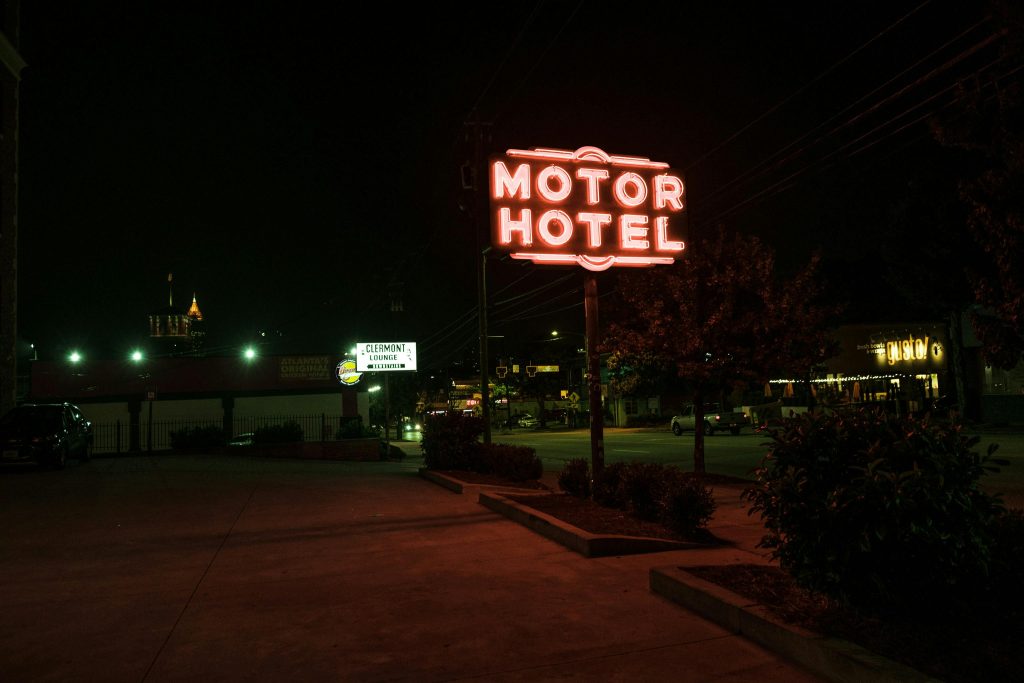
The artwork at this Route 66 stop can look completely different every week.
Cadillac Ranch is still one of the most identifiable roadside art stops anywhere on Route 66. The vintage Cadillacs half-buried in the dirt draw travellers seeking colourful photos, quick roadside breaks and interactive experiences. Visitors often bring spray paint and add temporary art to the cars, constantly changing the look of the site. By the centenary year, the stop might be even more crowded as travellers revisit classic American road-trip culture landmarks associated with famous Route 66. Sunset visits often offer particularly dramatic desert lighting for photos while keeping temperatures a bit cooler during warmer months.
Tucumcari’s Neon Signs in New Mexico
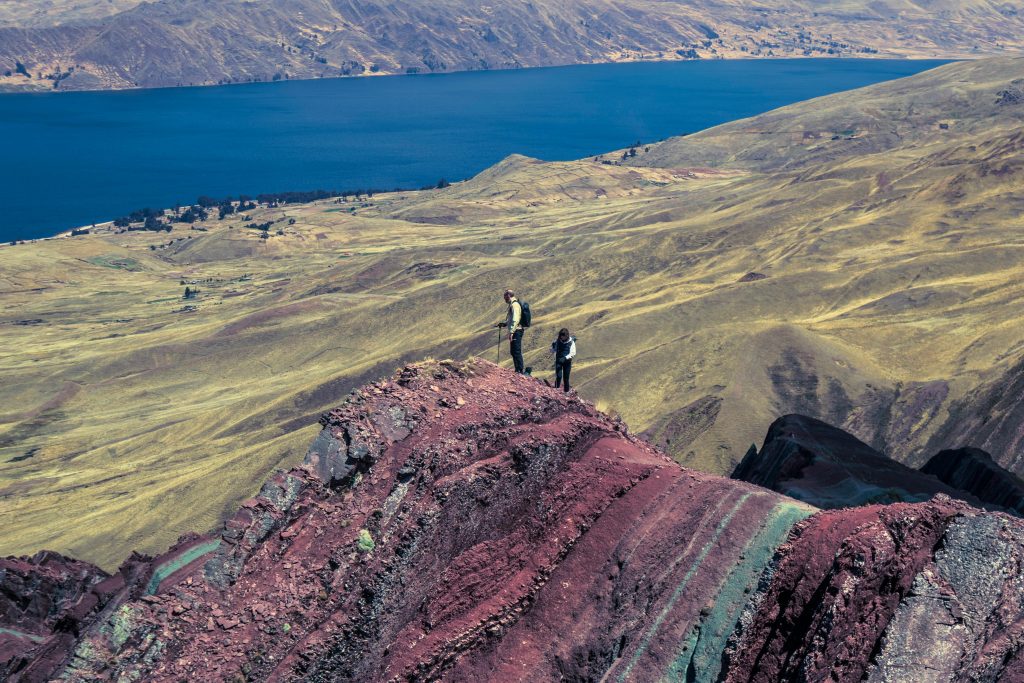
This New Mexico town may feel closest to the classic Route 66 era after dark.
Tucumcari has become one of the most famous overnight stops on Route 66, with its restored neon motel signs and retro roadside atmosphere. The town is often called one of the nearest remaining glimpses into mid-century American highway travel by travellers. The neon signs are especially memorable at night, when the glowing colours light up the street in a way that many modern highways cannot. As surviving roadside culture becomes more of a draw, Centennial’s preservation efforts may resonate even more with travellers passing through. Evening walks and more relaxed overnight stays often help visitors to enjoy the atmosphere beyond quick photos from the highway.
Petrified Forest National Park, Arizona
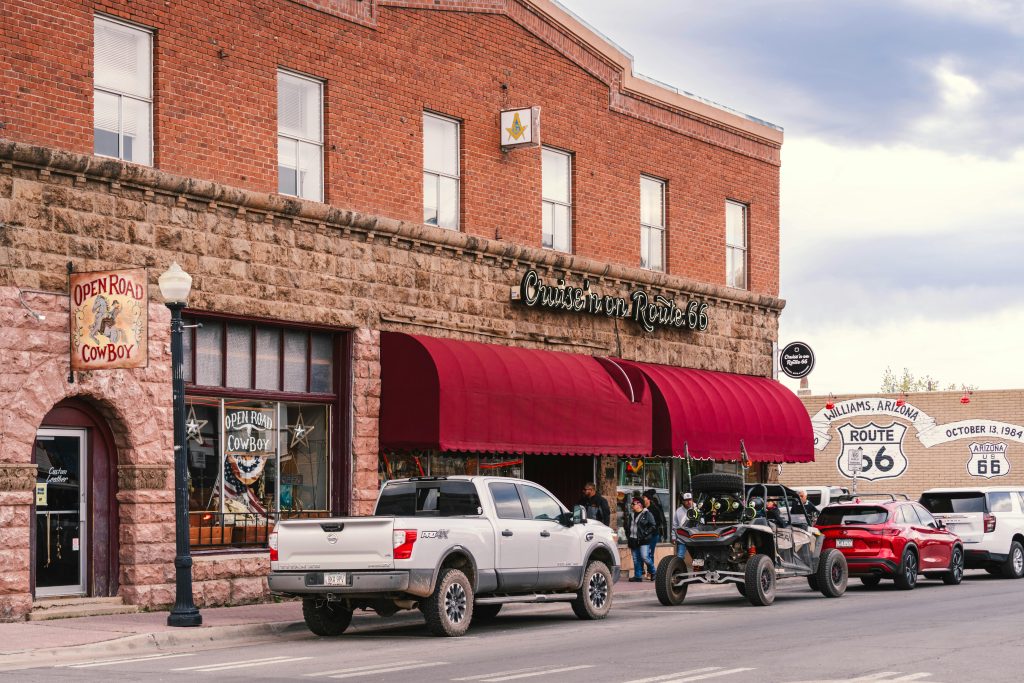
One stretch of Route 66 passes directly through an unexpected national park landscape.
Petrified Forest National Park is one of the most scenic natural detours off Route 66, blending desert landscapes with preserved remnants of the old highway. Travellers often enjoy the dramatic colour changes, wide open viewpoints and unusual petrified wood formations after days of roadside attractions and towns. The park also provides families and photographers with a quieter respite from the more touristed areas farther west. The Route 66 history plus national park scenery of the centenary year might have appeal for travellers looking for a more balanced road-trip experience.
Seligman’s Classic Roadside Main Street
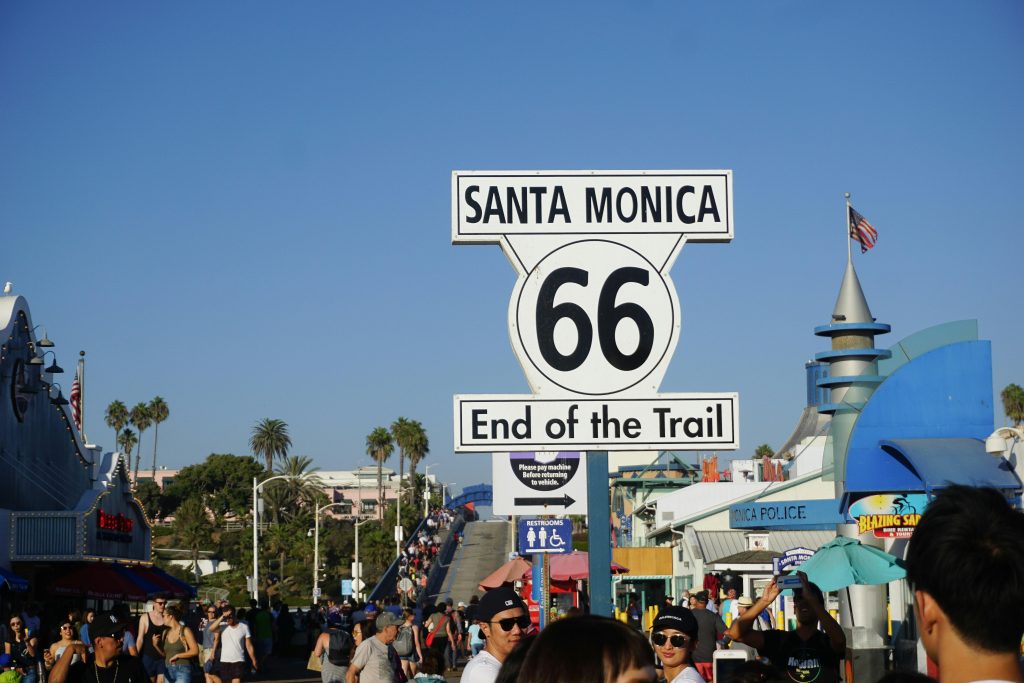
Some travelers say this Arizona town feels like stepping directly into Route 66 history.
Seligman is frequently mentioned as one of the towns that helped rekindle interest in Route 66 preservation. The main street still has vintage diners, retro gift shops, classic cars and colourful roadside signs that give a distinctly nostalgic feel. Travellers often stop here because the town feels deliberately preserved rather than heavily modernised. With its strong visual identity and ties to classic road-trip culture, Seligman could become one of the most photographed small towns along the route in its centenary year. Afternoon visits are usually slower and let travellers enjoy the shopfronts and talk to local business owners.
Santa Monica Pier End-of-Route Moment
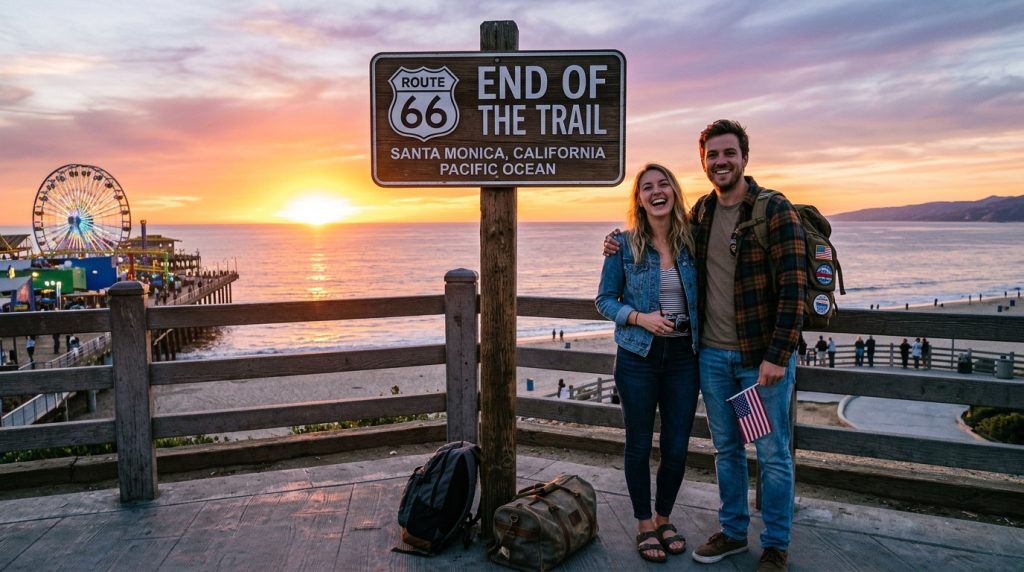
Many Route 66 travelers plan their arrival timing around this final sunset photo.
The Santa Monica Pier is the emotional finish line for many Route 66 travellers after thousands of miles of highways, small towns, deserts and roadside attractions. The “End of the Trail” sign has become a popular photo stop for travellers who want to spend one last moment beside the Pacific Ocean before the trip is officially over. Families tend to linger here longer, as the area packs beach access, restaurants, bike paths and classic California boardwalk energy all in one easy stop. The centenary year may lend a particularly symbolic feel to the pier as more travellers complete the route specifically to celebrate the highway’s 100th anniversary. Sunset visits are usually the most memorable, as the light of the ocean reflects off the pier and the Route 66 signs.