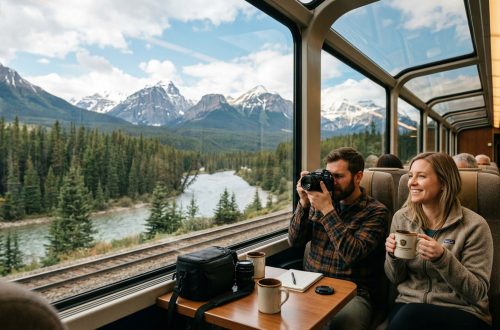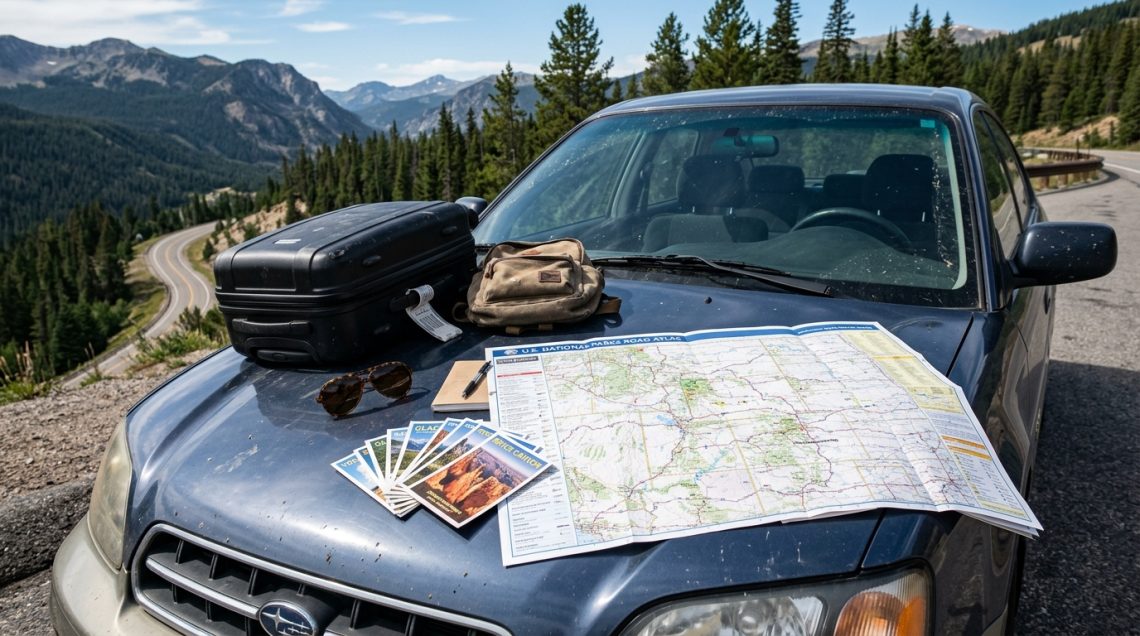
A two week trip around the United States planning can be a lot of fun, especially when you look at a map and everything appears to be so close together. But many travellers later discover that long drives, airport connections, jam-packed schedules and changing weather can quietly eat away at vacation time. You see the same problems over and over in Reddit travel communities and U.S. road-trip forums: trying to do too much, booking hotels too far apart, not taking recovery days, and underestimating how tiring cross-country travel can be. If you’re planning a two-week trip to the USA, you’ll have a smoother experience if you choose fewer regions, leave yourself wiggle room and schedule realistic travel days. These frequently overlooked planning mistakes can help travellers plan a trip that is more relaxed, scenic and enjoyable from start to finish.
Trying To Visit Both Coasts In One Trip
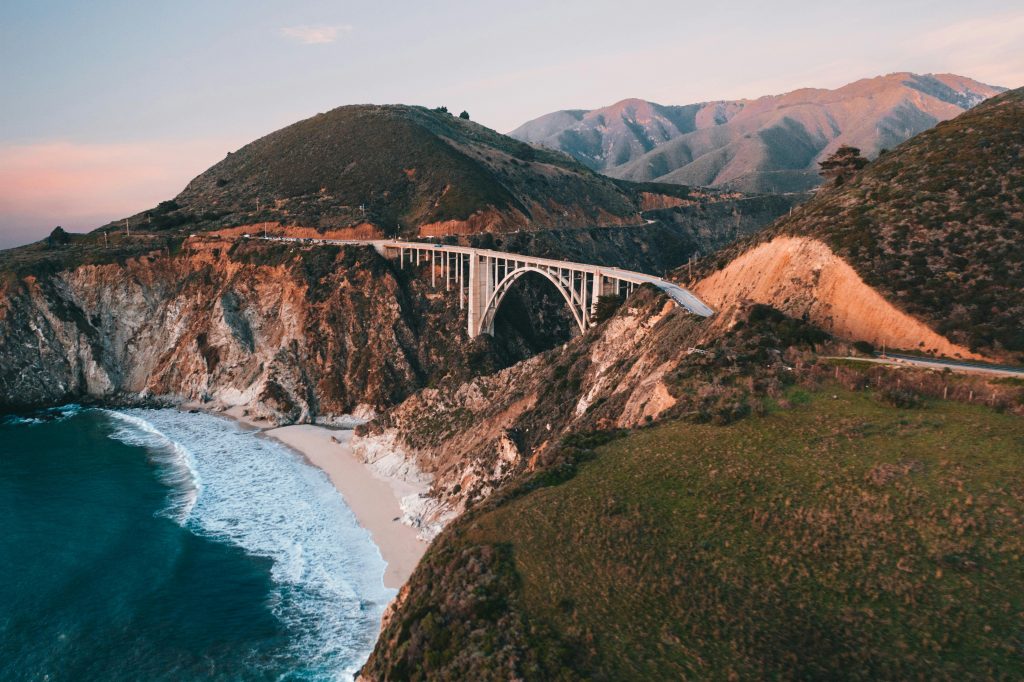
The biggest USA itinerary mistake may start with trying to “see it all.’Many first-time US visitors try to cram New York, Florida, California, Las Vegas and the national parks into a two-week holiday. It can look doable on paper, but when you factor in airport transfers, security lines, delays and time changes, coast-to-coast flights often take most of a day. Redditors and road trip forums abound with people discussing feeling rushed after trying to cover too many regions in too little time. This often makes for a more relaxed experience and less airport days with more time to actually enjoy destinations by focusing on one coast or one broader region. Constant cross-country travel can seem a lot less daunting when you’re on a Northeast city trip, Southwest parks route or Pacific Coast drive.
Underestimating Driving Distances
A “quick drive” in the American West can take much longer than travelers expect.On a map, driving in the United States looks simple. But the actual time on the road can be much longer than you expect. Western states in particular can have hours between towns, petrol station or hotel stops. People in r/roadtrip often comment that a six-hour drive can easily become an all-day event with food, sights, traffic, fuel stops and weather. Mountain roads, national park traffic and summer construction can also bog down routes more than travellers expect. Many seasoned road-trippers recommend shorter driving days and fewer hotel changes. And more time for scenic stops, local diners and roadside attractions, and evenings without stress, if drives are kept manageable.
Booking Too Many Cities

Too many hotel check-ins can quietly drain energy from a USA vacation.Although packing, parking, check-in and luggage stress are constant for many travellers, the idea of changing hotels every night seems like a good way to do things when you are planning. As a rule of thumb, travel forums often suggest that you stay at least two or three nights in the big cities, if you can. You can easily spend several days in cities like Chicago, Seattle, Boston or San Diego without feeling like you’re repeating yourself. And at a slower pace, you can also save on transportation costs and find making restaurant reservations, finding a place to park and seeing the sights a bit easier. Travellers who plan to stay in fewer hotels during a vacation often say the vacation just feels more relaxing overall. Cutting one city out of your itinerary gives you more breathing space.
Forgetting Time Zone Changes

A coast-to-coast flight can affect more than just your arrival time.For many travellers, the effects of crossing multiple U.S. time zones over the course of two weeks can have a more profound impact on sleep patterns, driving energy and when activities take place than they realise. Visitors travelling to and from the East Coast and West Coast can experience jet lag for a day or two, especially if early tours or long drives are scheduled right away. Meal times and bedtime routines may change during the trip for families with children. Frequent traveller advice on Reddit suggests taking it easy the first day after a long flight, and not planning busy evenings immediately upon arrival. Allowing a little more time for adjustments can make sightseeing go more smoothly and be more fun.
Ignoring National Park Reservation Rules

Some of America’s most popular parks may need reservations before arrival.Some national parks require timed-entry reservations, shuttle reservations, or advance lodging arrangements during peak seasons. Some travellers believe they can just turn up and find limited entry times or fully booked accommodation. Check in advance for seasonal reservation systems that may be in place at popular parks such as Yosemite, Glacier, Arches and Rocky Mountain National Park. Road-trip forums are full of travellers who learn about entry requirements too late and have to scramble to change their plans. Be sure to check official park updates before booking your flights and hotels to avoid unnecessary stress and long entrance delays during busy travel times.
Planning Every Day Too Tightly

The best part of a road trip sometimes happens outside the original plan.It might look like you’re busy with all the things you have scheduled, but many travellers end up running around more than they enjoy the trip itself. Long lists of attractions, multiple reservations and tight schedules might leave little room for traffic, weather or spontaneous stops. On the longer road trip, you’ll hear from the veterans that you should keep some afternoons open or some evenings flexible. Unexpected finds, scenic detours, local diners and slower mornings can all become memorable parts of a USA holiday. A less full itinerary may also appear easier for families travelling with children or elderly relatives.
Choosing Airports Far From The Route
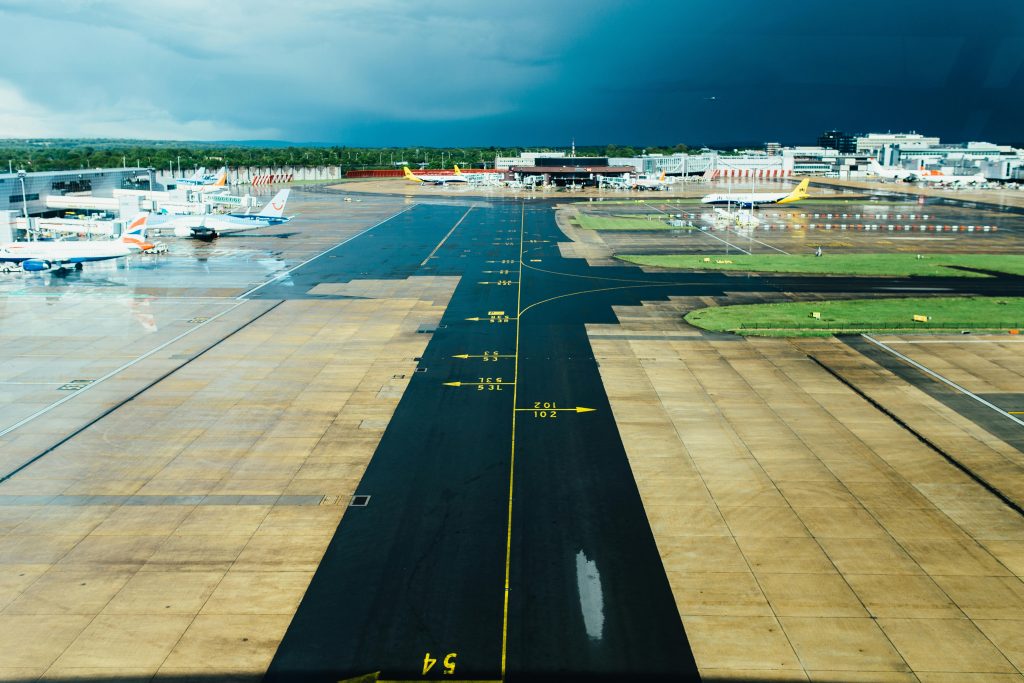
A lower airfare can sometimes create a much longer vacation day.Sometimes, flying into smaller or cheaper airports means much longer drives than travellers expect. You may save money on airfare but spend it on extra fuel costs, hotel nights or several hours on unfamiliar roads. The distance between airports and destinations is especially often underestimated by travellers planning national park trips. Late night arrivals and long desert or mountain drives are regularly mentioned in forums. Focus on total travel time instead of just airfare and you may find a smoother route. More vacation time and a less stressful experience could be the result of closer airports to the real itinerary.
Skipping Rest Days

One slower day can make the rest of the trip feel much easier.Two-week USA vacations generally mean early flights, long drives, crowded attractions and changing hotels. Without a slow day here and there, travellers can tire halfway through their trip. Rest days don’t have to mean staying indoors all day. Many seasoned travellers suggest a more relaxed schedule with beach walks, scenic drives, laid-back shopping districts or slower sightseeing days in between big activities. Families may particularly enjoy downtime after long travel stretches. Allowing time for laundry, a visit to the pool or just sleeping in can make the second half of the trip more enjoyable.
Overlooking Seasonal Weather

Realistic mixed-weather U.S. travel scene with mountains, layers, and road-trip gear.
The weather in the United States can be wildly different depending on the area and the time of year. Spring trips can include snow in the Rockies, rain in the Pacific Northwest and warm beach weather in Florida all in one itinerary. Summer desert road trips can be a lot warmer than you expect, and hurricane season could impact coastal plans in late summer and early autumn. Travellers on forums often advise checking regional forecasts and park conditions a few weeks before departure. Packing in layers and building flexibility into their itinerary allows travellers to adjust more comfortably if conditions change.
Assuming Public Transit Works Everywhere
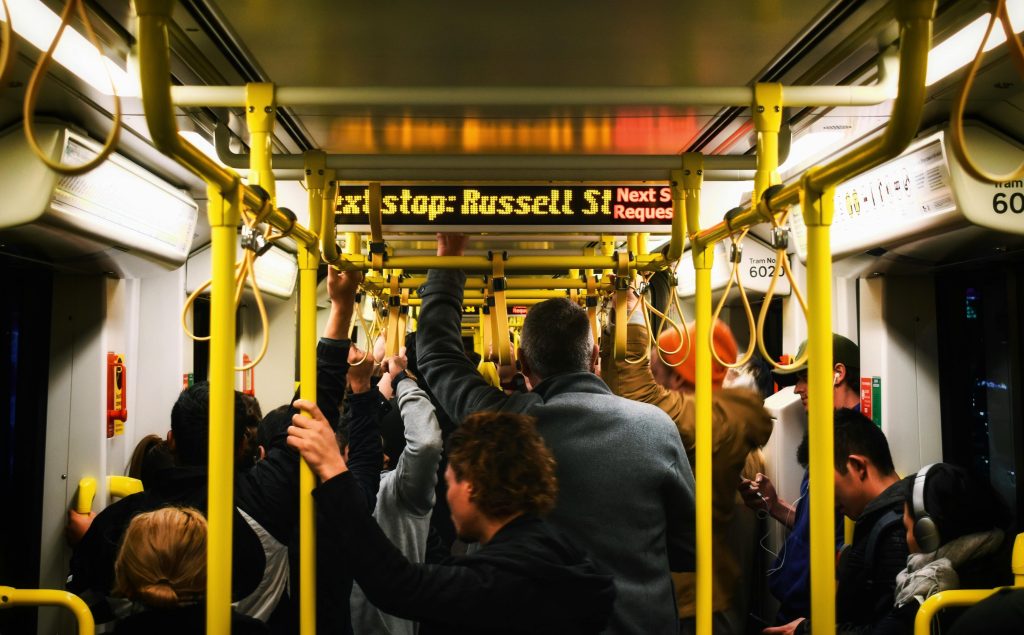
Public transit in America can vary dramatically from city to city.Public transport works well in cities like New York, Chicago, Boston and Washington, D.C., but many U.S. destinations require a car. But travellers expecting easy train or bus connections between parks, suburbs, beaches, and small towns often face limited schedules or expensive rideshare prices. Road-trip forums often tell you to look into transportation carefully before skipping a car rental. Without a car, trips to the airport and attractions in the suburbs can take much longer in large metro areas. Knowing where transit works best can help travellers budget time and transportation more pragmatically.
Not Checking Hotel Parking Fees

A hotel’s parking fee can sometimes change the total trip budget quickly.Hotel parking costs in major U.S. cities can shock travellers who only compare nightly room rates. If you’re parking in downtown hotels in cities like San Francisco, Chicago, Miami, and Seattle, valet parking can be extremely expensive overnight. Travellers on travel forums often recommend checking parking details before booking city hotels for road trips. Sometimes, you can find easier parking and lower overall prices by staying just outside the downtown core. Travellers who are aware of the rules of parking beforehand can plan their budget and avoid stressful surprises upon arrival.
Leaving No Room For Delays

Some of the smoothest USA trips leave room for the unexpected.Carefully planned itineraries can be affected by weather, traffic, flight changes, road construction and long lines at park entrances. Travellers who don’t leave wiggle room between destinations may end up missing reservations or feeling rushed during the trip. Road warriors will tell you to always add some buffer time before flights, cruises or major events. If delays happen, even a few open hours between activities could make it more comfortable. Flexible schedules also allow for serendipitous discoveries that become favourite memories on a USA vacation.