Travel photography is about more than documentation. At its best, it captures the feeling, light, and humanity of a place in a way that transports anyone who sees the image. Here is how to improve your travel photography meaningfully.
Shoot during golden hour
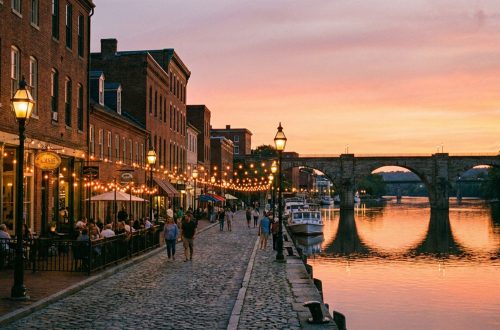
The hour after sunrise and the hour before sunset produce warm, directional light that transforms ordinary scenes into compelling photographs. Plan your shoots around this window.
Put away the camera sometimes
The best photographers know when to observe without shooting. Being fully present in a moment often leads to recognizing the perfect image when it genuinely appears.
Learn basic composition rules
The rule of thirds, leading lines, and framing within a frame are foundational principles that immediately improve the visual impact of travel photographs.
Focus on people, not just places
Landscape images are beautiful, but portraits and candid human moments give travel photographs emotional depth and storytelling power that scenery alone cannot match.
Ask permission before photographing people
In most cultures, asking permission is both respectful and often leads to warmer, more natural portraits than candid shots taken without knowledge or consent.
Shoot the details, not just the landmarks
The weathered door, the market spice, the sleeping cat on the cobblestones — detail shots convey the texture of a place in ways that wide landmark shots cannot.
Edit consistently but subtly
A consistent editing style gives your travel photography a cohesive identity. Avoid over-processing images with extreme filters that distort the reality of what you experienced.
Arrive at locations before the crowds
Popular sites are dramatically more photogenic before tourist crowds arrive. This often means waking earlier than feels comfortable, but the results justify the sacrifice.
Carry only the equipment you will use
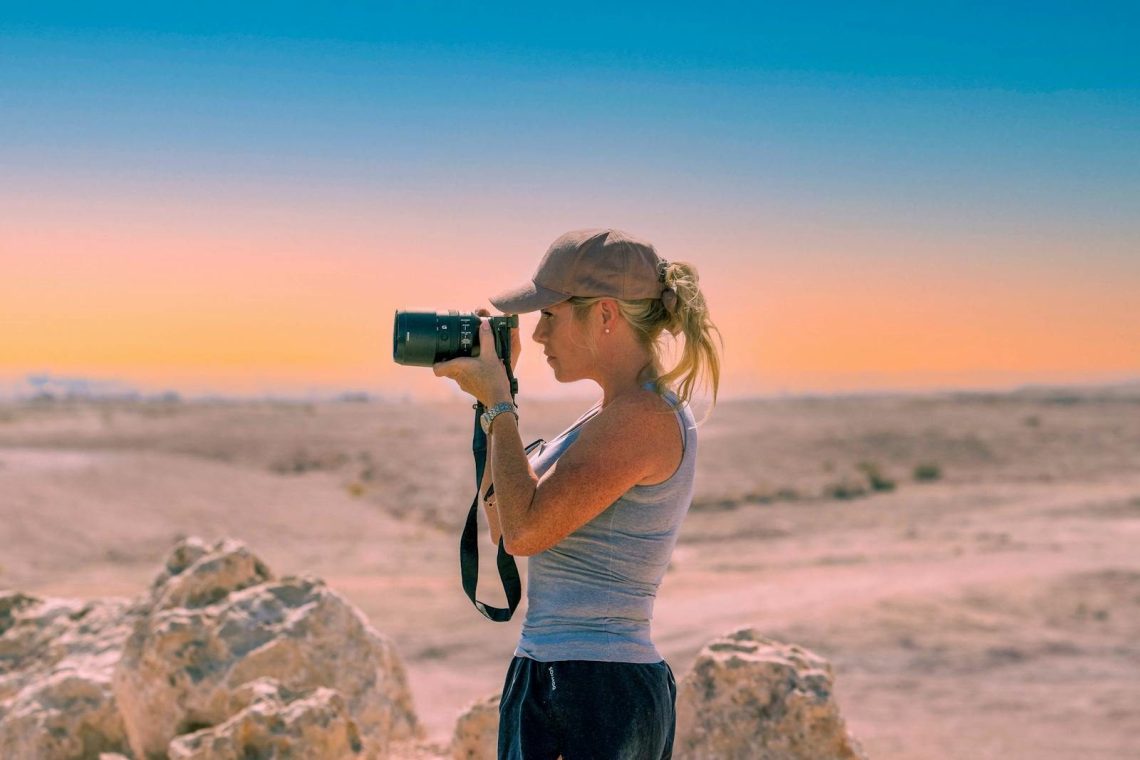
Heavy gear slows you down and reduces spontaneity. A mirrorless camera and one versatile lens outperforms a full kit you are reluctant to carry everywhere.
Back up your images every evening
Travel photography disasters include theft, water damage, and card corruption. Back up to at least two separate locations, including a cloud service, every single evening.
Final Thought
Great travel photography is patient, curious, and deeply connected to place. The camera is the tool, but the eye and the willingness to look closely are what produce images worth keeping.