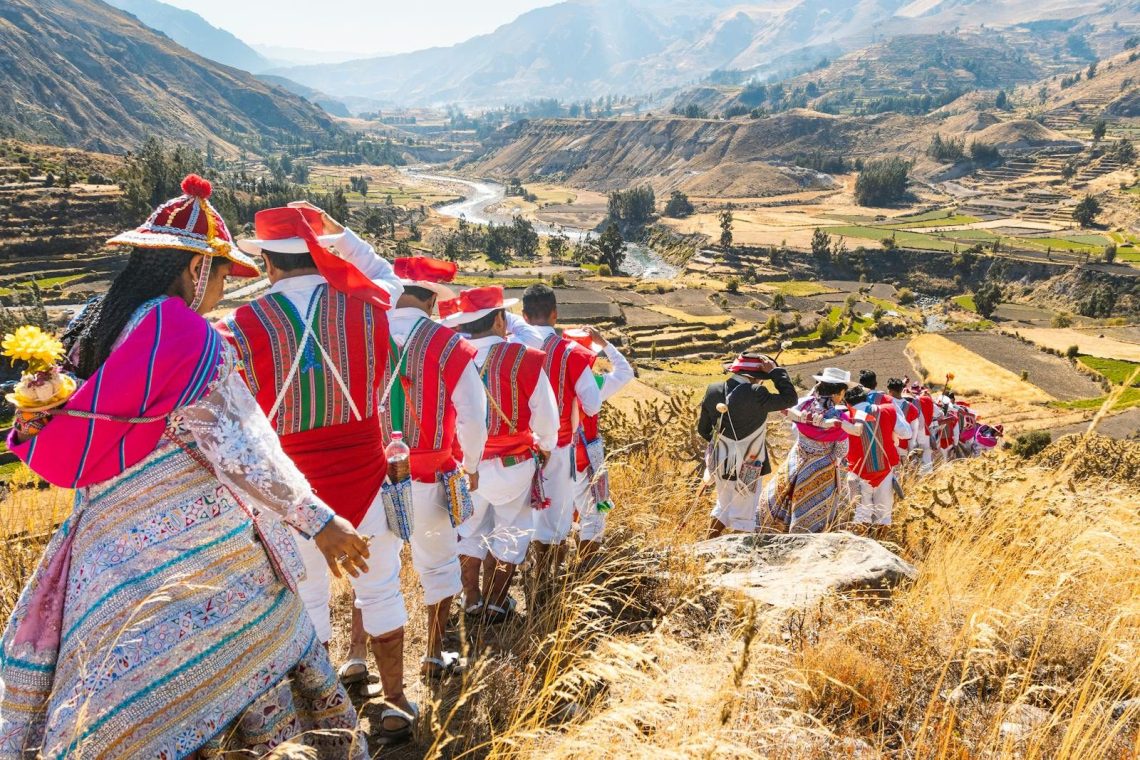
Cultural travel goes beyond visiting landmarks. It involves genuinely engaging with the traditions, people, values, and daily life of the places you visit. Here is how to do it with authenticity and respect.
Research cultural etiquette before arrival
Dress codes, greeting customs, dining protocols, and social taboos vary significantly across cultures. Research these before arrival to avoid unintentional disrespect.
Visit local markets rather than tourist shops
Daily food markets, craft bazaars, and community gathering spaces offer the most unfiltered window into how local people actually live and interact.
Attend local events and festivals
Check community noticeboards, local newspapers, and city tourism boards for authentic events happening during your visit. These are rarely advertised to tourists.
Learn the history of the places you visit
Arriving at a historic site without any background knowledge reduces a profound cultural experience to a photo opportunity. Read before you go.
Hire local guides rather than international tour companies
Local guides offer insider knowledge, personal connection, and economic benefit that international tour companies working with imported guides cannot match.
Ask questions respectfully and listen genuinely
Locals rarely mind being asked thoughtful questions about their culture, food, or traditions. What they resent is being treated as a prop or curiosity.
Dress respectfully in religious and traditional spaces
Cover your shoulders and knees when visiting temples, mosques, churches, and traditional villages. Carry a lightweight scarf for this purpose at all times.
Participate when invited
When a local family, community leader, or festival organizer invites you to participate in a tradition or meal, accept warmly. These moments become the defining memories of cultural travel.
Avoid extractive photography
Always ask permission before photographing people, especially in traditional dress, religious contexts, or private moments. The relationship matters more than the photograph.
Reflect on what you have observed
Cultural travel is most valuable when it challenges your assumptions. Take time to process what you have experienced rather than immediately moving on to the next destination.
Final Thought
Cultural travel at its best is a conversation between your world and someone else’s. Approach it with humility, curiosity, and genuine respect, and it will return far more than you give.