For many travellers, small planning mistakes can quickly turn a drive into something more stressful than expected, but an ordinary road trip can become one of the most memorable travel experiences in the country in the American Southwest. Long desert highway drives, national park timing rules, remote fuel stops, changing weather and jam-packed itineraries often surprise visitors, especially during busy travel months. Families, couples and first-time Southwest road trippers frequently underestimate the size of the region. What looks like an easy route on a map may have hours between services, dramatic elevation changes or roads that close in season. These practical red flags for a road trip are things worth checking before you hit the road through Arizona, Utah, Nevada, New Mexico, California or West Texas, so your drive can be smoother, more comfortable and easier to enjoy.
Driving Too Many Desert Miles in One Day
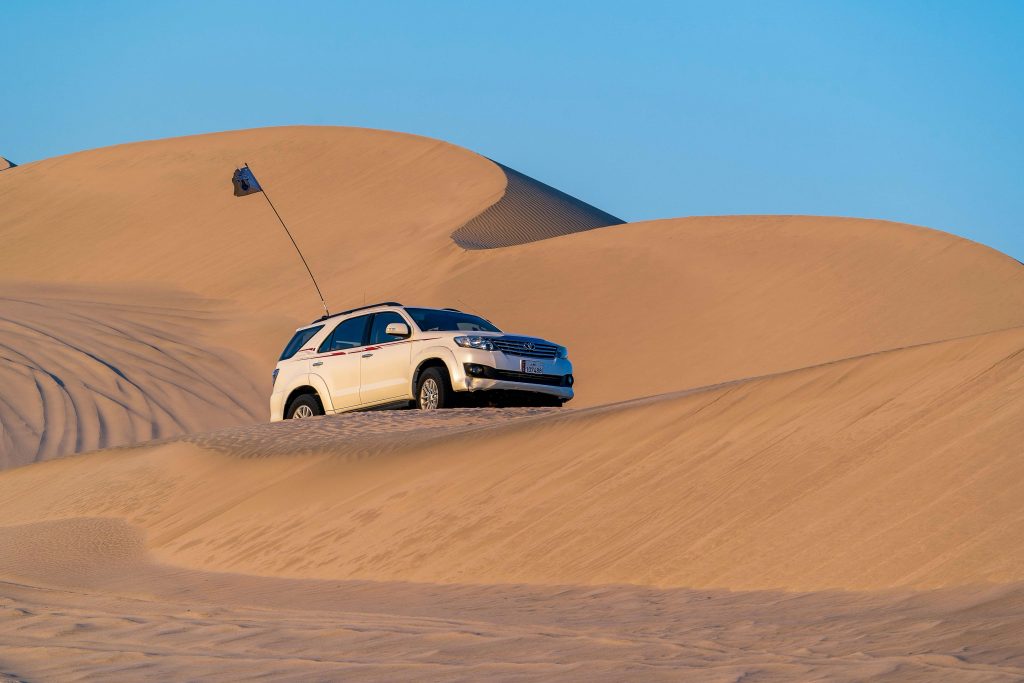
Some Southwest drive days feel much longer than travelers expect.
Desert highways through Arizona, Nevada, Utah and New Mexico can look deceptively easy on the map. Travellers often think a six or seven hour drive day will feel like driving through more populated states, but long stretches without shade, services or major towns can make the day feel much longer. Heat, dry air and repetitive scenery can lead to fatigue faster than you think, especially summer afternoons. And many veteran Southwest road-trippers now recommend driving in shorter windows and staying overnight near parks or scenic towns. Leaving room for overlooks, food stops and weather changes can make the trip feel a lot less hurried while allowing travellers to actually enjoy the scenery instead of just racing through it.
Not Checking Gas Stops Before Remote Stretches
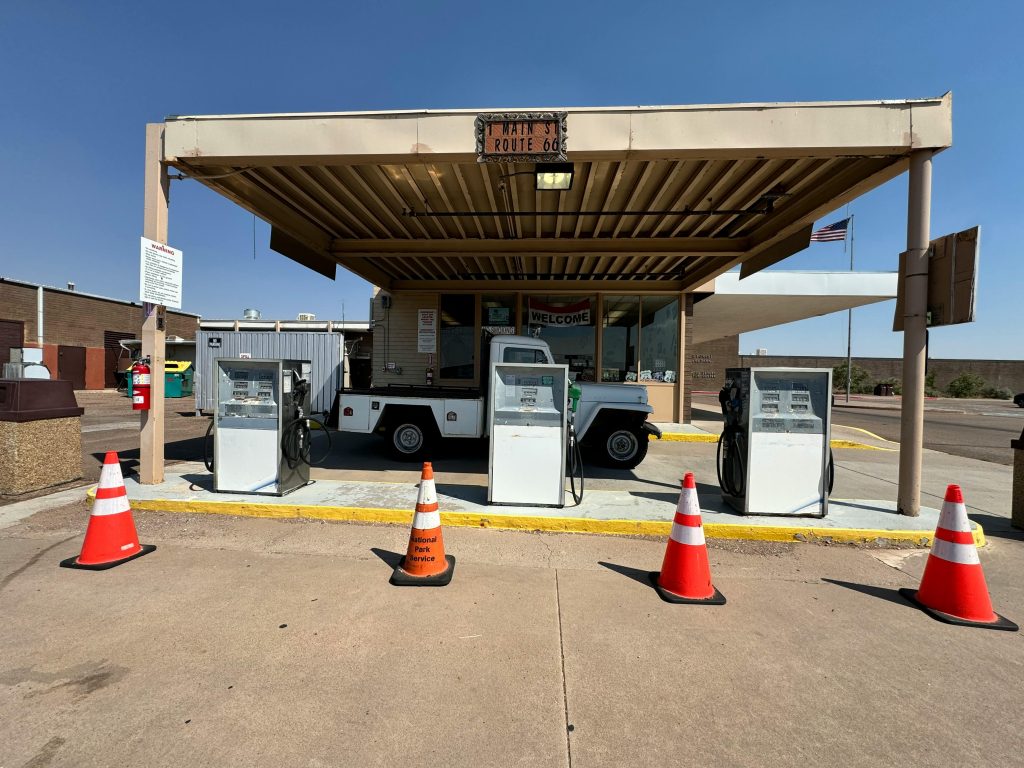
One overlooked fuel stop can completely change a desert drive day.
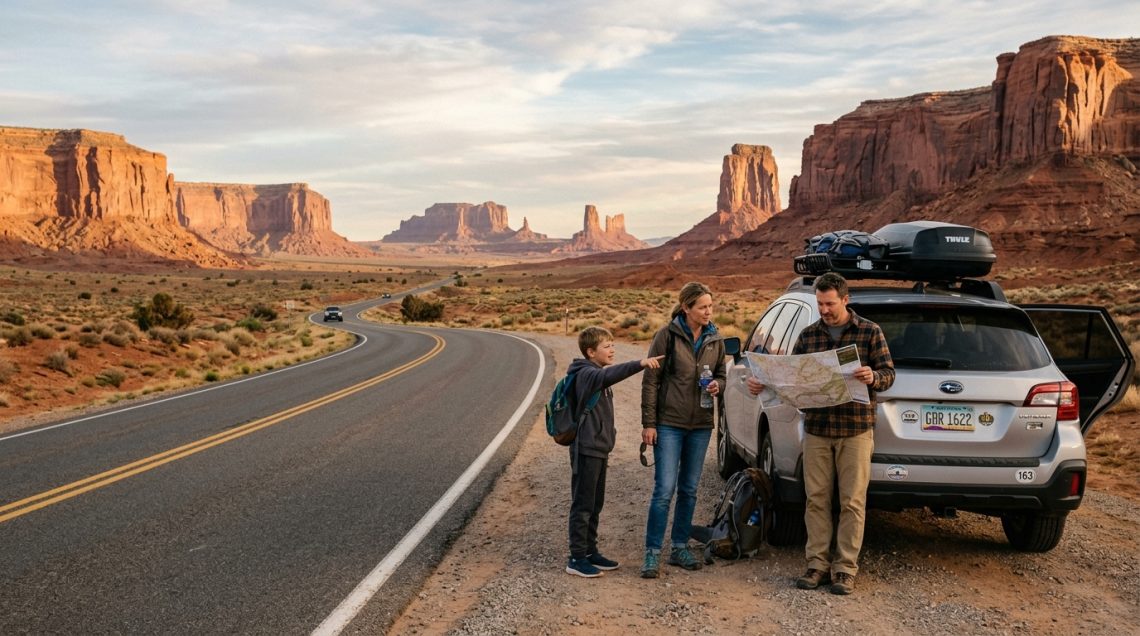
When travellers leave the larger interstate corridors and enter remote parts of Utah, Arizona, Nevada or New Mexico, fuel planning becomes much more important. Some scenic routes have surprisingly long stretches without reliable petrol stations, and smaller stations close earlier than you might expect. When driving near Monument Valley, Death Valley, Canyonlands or rural New Mexico, travellers often recommend checking fuel options the night before long drive segments. Don’t run it too close to empty, you don’t want to stress yourself out, and it lets you take scenic detours or get delayed unexpectedly. This is even more important for families, RV travellers, and visitors unfamiliar with driving distances in the Southwest.
Underestimating Heat in Desert Towns
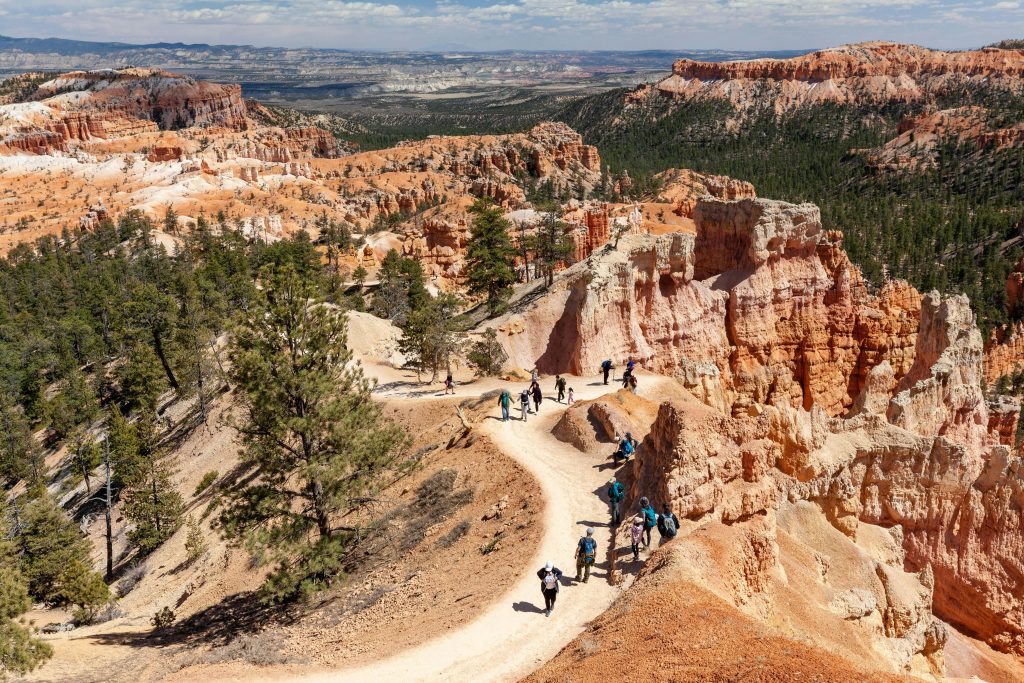
The hottest part of the day can completely reshape a Southwest itinerary.
Even the most seasoned travellers can underestimate the heat of southwest heat on those late spring and summer afternoons. Desert towns that are pleasant in the morning can be very hot by noon, particularly in the vicinity of Phoenix, Las Vegas, Death Valley, Moab, and southern Utah. Travellers find outdoor stops are often better earlier in the day, and afternoons are better for scenic drives, restaurants, museums or hotel pool breaks. On long desert trips, packing extra water, using sun protection and allowing for more indoor downtime can make a big difference.
Booking Hotels Too Far From the Main Route

A cheaper hotel can sometimes create a much longer driving day.
Hotels that seem like a steal on booking sites may add an hour or more to the drive when travellers factor in remote roads, park traffic or mountain routes. Many Southwest travellers now want to be closer to national park entrances or major highways, instead of opting for the cheapest option away from the action. Sunrise park trips, evening meals and early departures can feel simpler, less hurried. People who travel between Zion, Bryce Canyon, Grand Canyon, Sedona and Moab often say that sensible overnight placement can dramatically improve the overall pace of the road trip.
Forgetting Timed-Entry Rules at Popular Parks
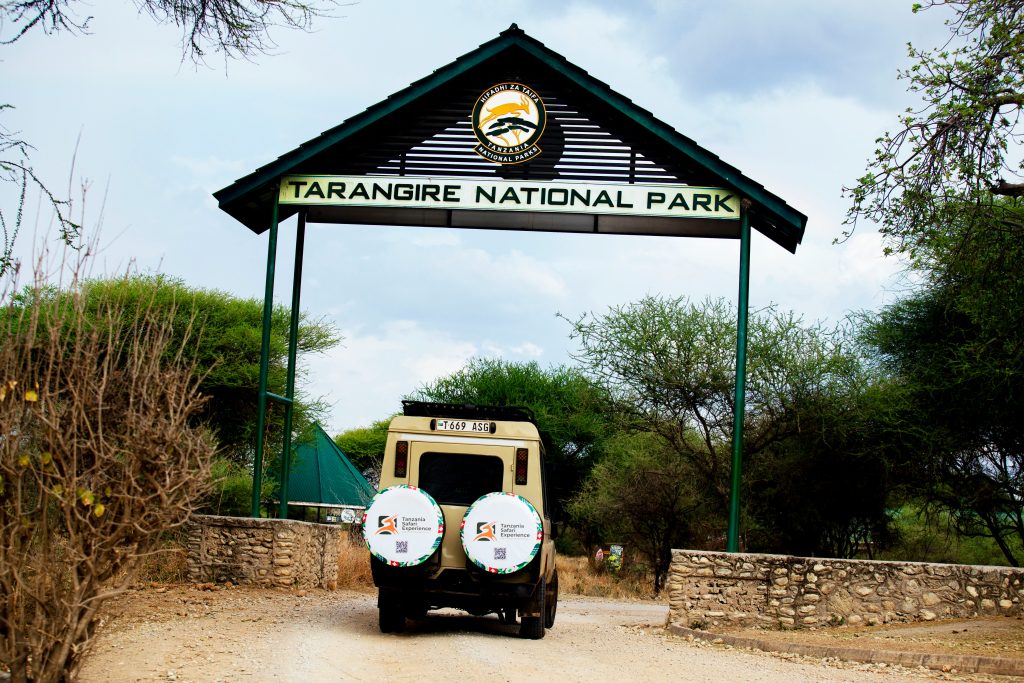
Some travelers only discover reservation rules after reaching the park gate.
Timed-entry systems are still being developed in a handful of major U.S. national parks and many travellers still arrive without knowing reservations may be needed during peak travel times. Rules vary by park and season, and even by scenic corridor. Travellers are encouraged to check official park websites prior to travel to avoid confusion and better plan arrival windows. Some travellers now arrive very early in the morning or later in the afternoon on purpose to avoid peak traffic and increase the parking possibilities at popular viewpoints.
Planning Hikes Without Checking Elevation or Weather
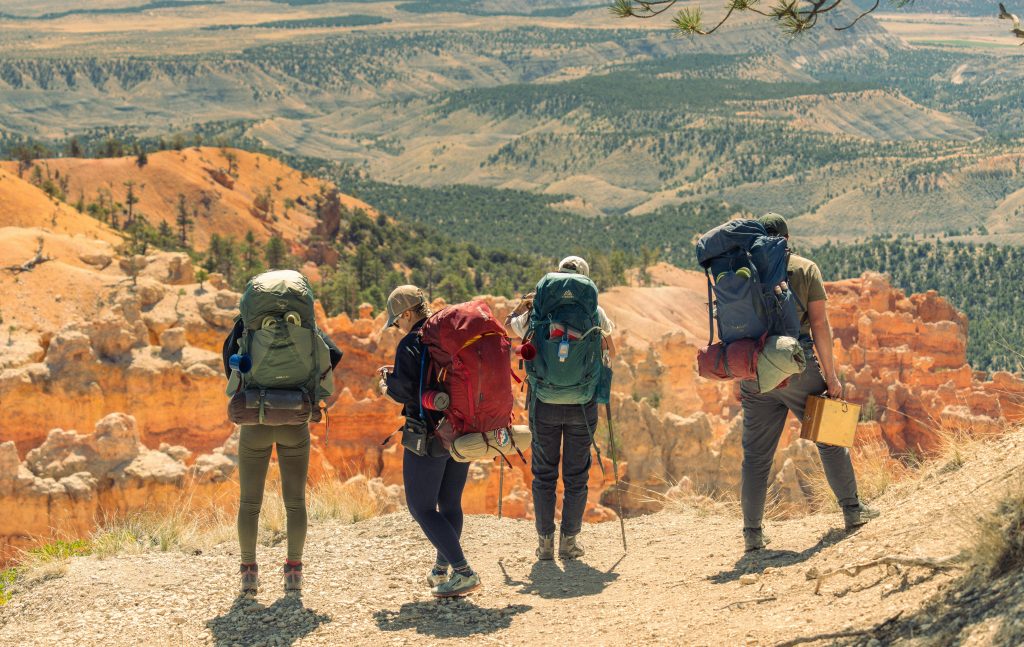
A sunny desert morning can turn surprisingly cold at higher elevations.
Southwest weather can change rapidly from desert floors to higher-elevation parks. What feels sunny and warm at one elevation may be cold, windy, or stormy at a higher viewpoint later in the same day. Visitors driving between places like Bryce Canyon, Flagstaff and the Rocky Mountain areas are often surprised by the swings in temperature. Travellers can check trail conditions, elevation, and weather forecasts in advance to pack more comfortably and avoid unnecessary schedule changes at scenic stops.
Depending on Cell Service in Rural Areas
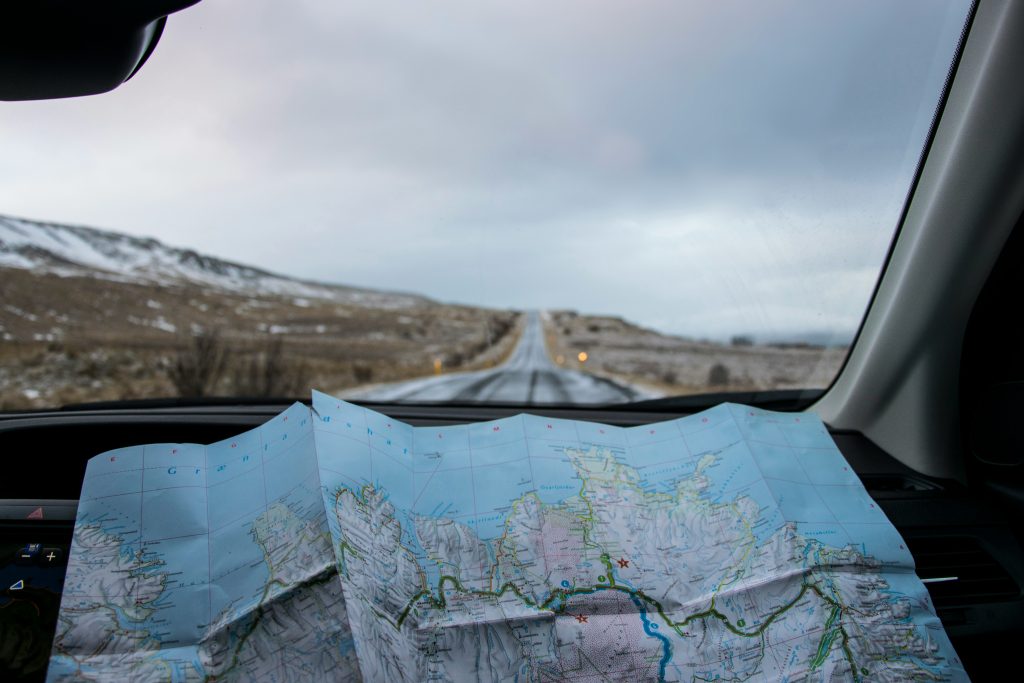
Some scenic Southwest drives still have long stretches with weak signal.
Many scenic drives in the Southwest traverse areas where cell service can be sparse or spotty. Navigation apps, music streaming and messaging services can stop working without warning in rural canyons, on mountain roads or desert highways. One of the most common road trip hacks in travel communities is to download offline maps before you leave. Printed park maps and reservation screen shots can also help travellers avoid unnecessary stress when the signal strength switches unexpectedly during remote driving portions.
Skipping Tire and Coolant Checks Before Departure

Desert driving conditions can feel tougher on vehicles than travelers expect.
Long summer drives in high temperatures can add extra stress on vehicles, especially on steep climbs, remote highway stretches or long national park driving days. If you’re planning a major Southwest route, experienced road trippers often suggest checking tires, coolant, oil and air conditioning before you start. Home maintenance problems that are manageable at home can be more difficult to deal with when you are away from major service areas. A quick check of the vehicle before leaving can help travellers feel more confident on long stretches between towns.
Leaving Too Little Time Between National Parks
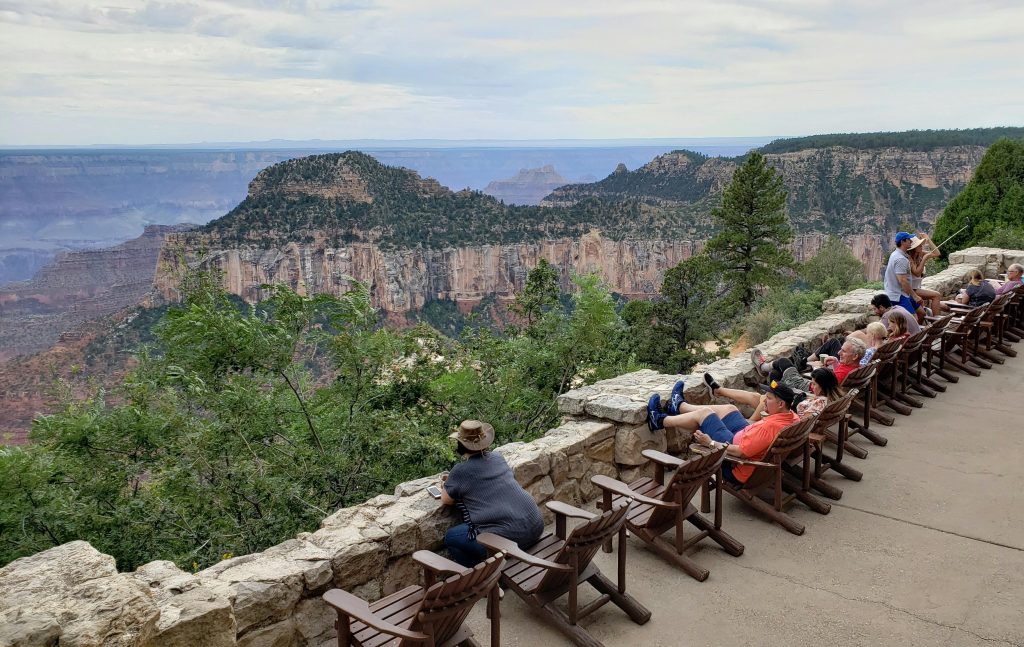
Many Southwest itineraries look easier on maps than they feel in real life.
Many Southwest itineraries seem doable until travellers realise how much time is spent parking, stopping at overlooks, waiting for shuttles, eating meals, and driving scenic roads in the parks themselves. A two-day, three-park route may sound good on paper but can leave little time to actually enjoy the experience. Less parks with slower pacing often makes for a more memorable and less stressful trip, especially for families travelling with kids or older relatives, say travellers.
Assuming Every Scenic Road Is Open Year-Round
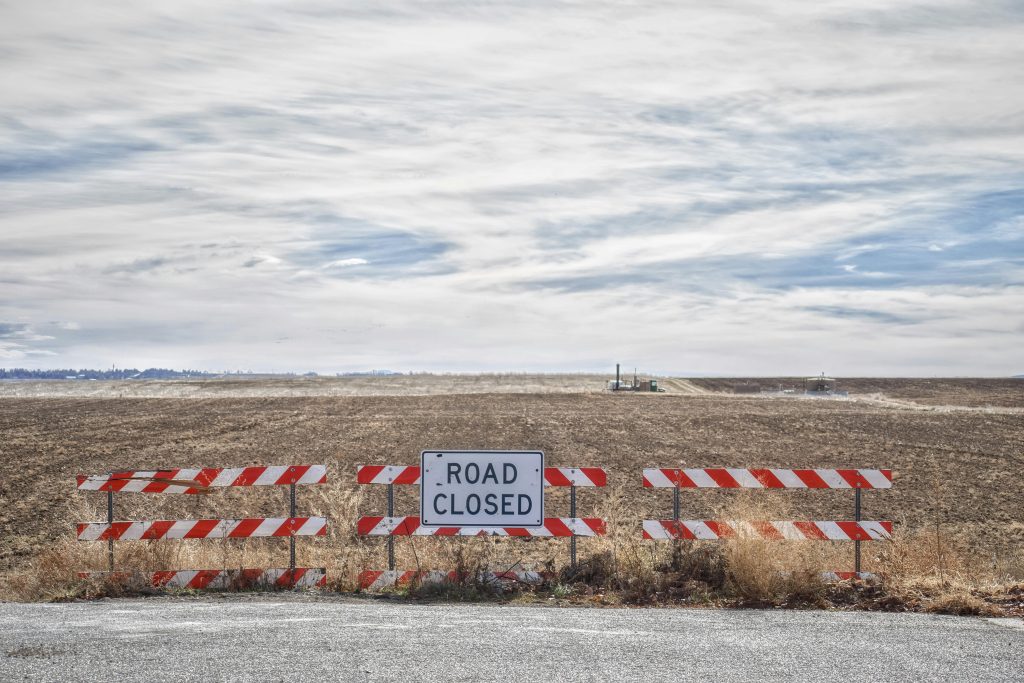
Some of the West’s most scenic roads are not always accessible year-round.
Weather, construction, rockslides, snow, and seasonal maintenance can impact scenic drives in the West and Southwest, even when it is not winter. Mountain passes and park roads may open later than travellers expect, and summer storms may impact some routes temporarily. Checking official park and state transportation websites before departure can help travellers avoid last-minute rerouting stress and better estimate realistic drive times through scenic regions.
Not Carrying Enough Water for Backup Comfort

One simple packing habit can make desert road trips noticeably smoother.
Extra water usually ends up being one of the easiest ways to make Southwest road trips more comfortable. Visitors may find themselves caught in traffic jams near park entrances, hiking farther than they expected or spending more time on hot scenic roads. Additional water in the car makes long days of sightseeing more bearable for everyone especially during the warmer months. These days, backup water is so much a part of the desert driving preparation for road trip travellers that it has become part of the standard preparation, not just for remote hikes.
Overpacking the Itinerary With Long Detours
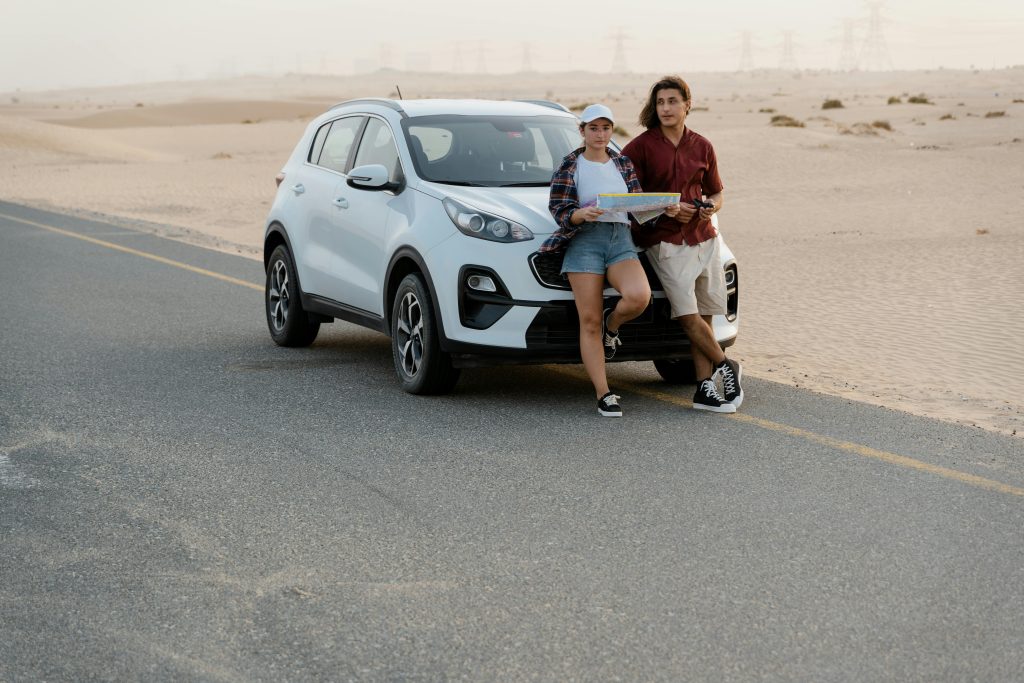
Trying to see everything can sometimes make the best parts feel rushed.
With endless scenic roads, hidden viewpoints, roadside diners and small desert towns, the Southwest can make travellers want to fit it all into one trip. But too many detours can make the schedule feel rushed and exhausting by the second half of the drive. Often travellers enjoy the region more when they choose a few major highlights and allow room for spontaneous stops along the way. Flexible pacing also allows travellers to better cope with weather, crowds, and scenic surprises without constantly checking the clock. Many experienced road trippers now suggest picking one big scenic highlight to aim for each day, rather than trying to cram in all the famous spots in one trip around the region.