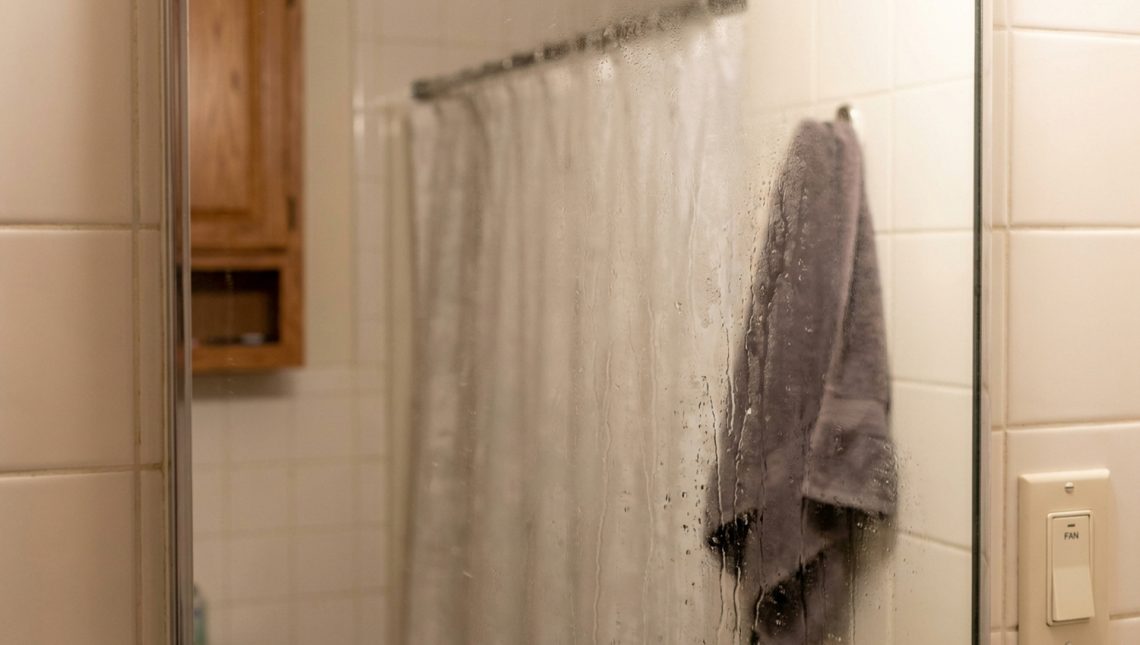
A bathroom can look clean and still hold moisture longer than most will detect. In a lot of American homes the warning signs are subtle: a mirror that never clears, a bath mat that never dries, grout that turns dark again, or a fan cover full of dust. These wet spots can cause bathrooms to have less fresh odours, stains to reappear, and visitors to notice a “heavy” feeling in a room even after it has been cleaned. This gallery exposes the unseen bathroom behaviours, concealed airflow issues and moisture traps that silently prolong the dampness of American bathrooms beyond what you expect.
No Exhaust Fan After Showers

That foggy mirror could be more than a shower remnant.Many people dry off and switch off the bathroom fan too quickly. That leaves the moisture from a warm shower clinging to mirrors, walls, ceilings, towels and grout in a typical American bathroom. EPA guidance recommends using exhaust fans or open windows to remove moisture to the outside in bathrooms, and CDC guidance also points to outside-venting fans and low humidity as part of mould prevention. The big MSN twist: The bathroom may not be ‘dirty’ yet; it may just be staying wet long enough to allow smells, stains and mildew-prone spots to return faster.
Fan Covers Blocked by Dust.
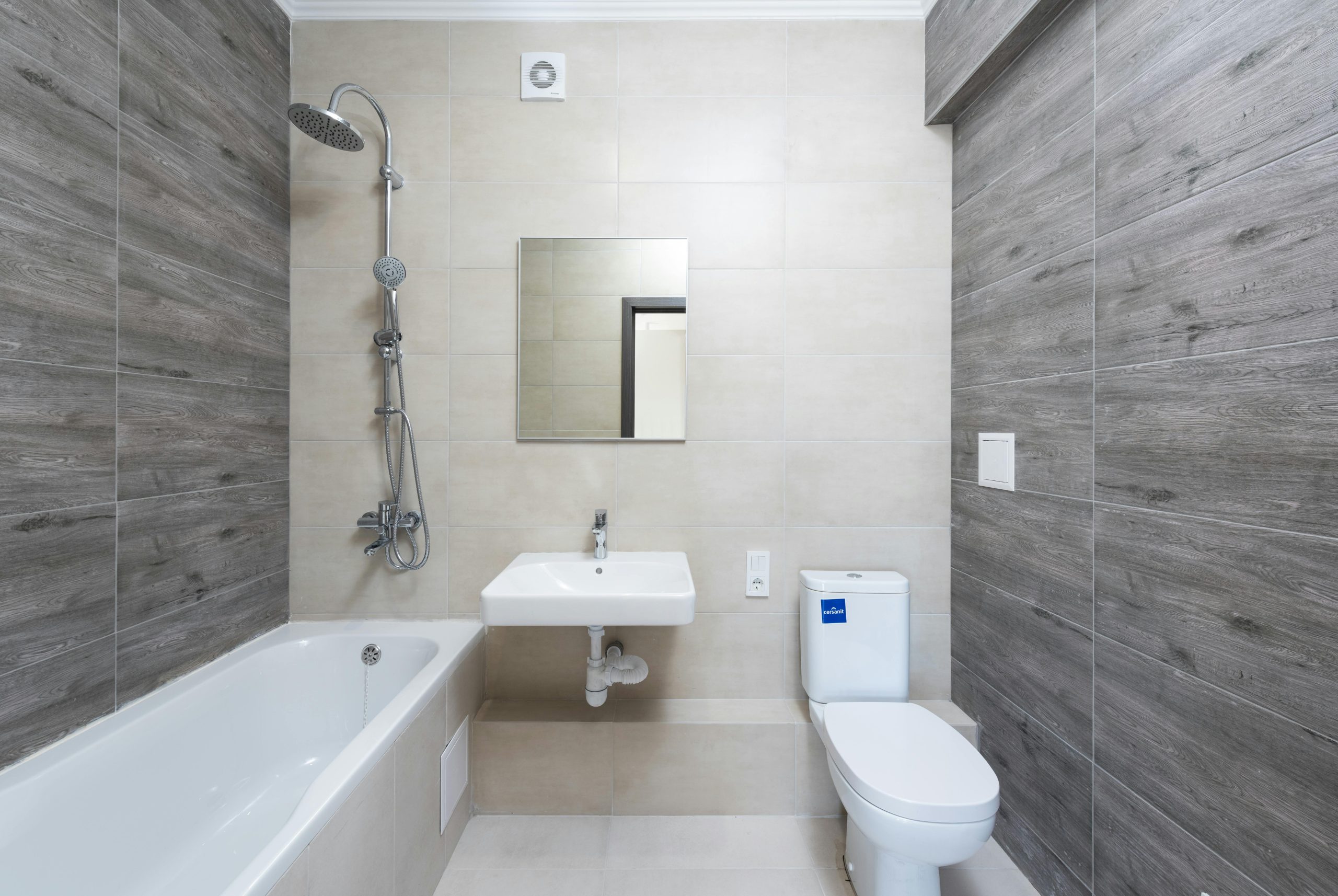
A fan that works isn’t always a fan that’s loud.Bathroom fan can sound busy doing less than people think. Families who use their bathrooms on a daily basis may find dust, lint, hair spray residue and towel fibres build up on the fan grille. Better Homes & Gardens mentions a simple paper test to determine fan pull, and mentions that cleaning the grate and vacuuming dust can also help reveal whether the fan is actually moving air. Real Simple also notes that bathroom dust can adhere more in the presence of moisture. This is a good “forgotten part” slide for MSN, where the problem is visual and quick for the readers to check.
Bath Mats Staying Damp All Day.
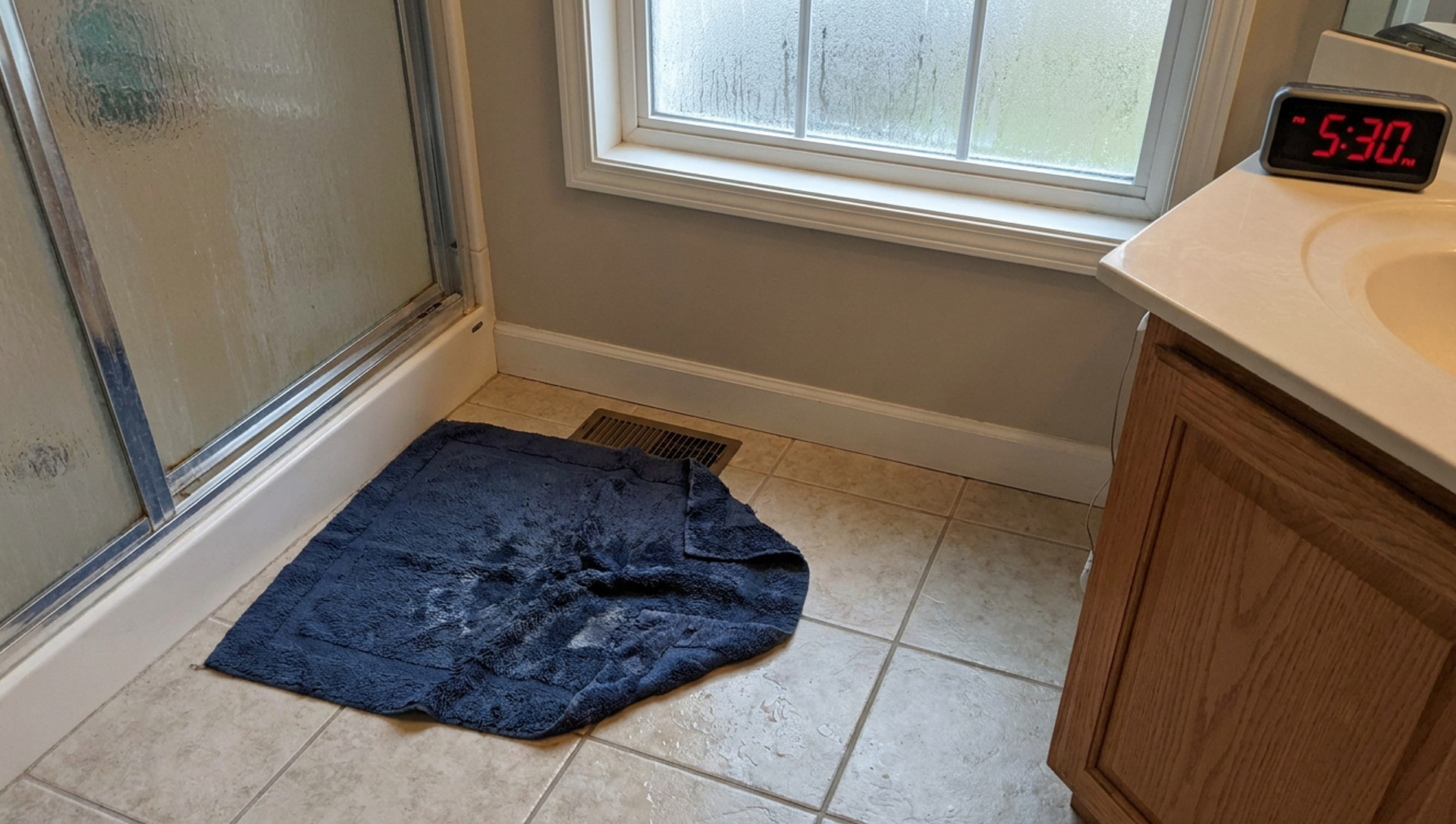
The bathroom may look dry but the bath mat could be keeping it wet.There is a bath mat in many U.S. bathrooms that is stepped on after every shower, then lays flat against tile for hours. That can trap moisture under the mat, especially in windowless bathrooms, kids bathrooms, dorm bathrooms and small rental apartments. Even after cleaning, the room may smell “not fresh” because the damp textile continues to feed the moisture cycle. This should be visual: lift up one corner of the mat and show the darker tile underneath. It’s not a panic angle, it’s a useful ‘check the overlooked wet spot’ moment that makes readers look at their own bathroom floor.
Towels Hanging Too Close Together

: A clean towel can still make a bathroom feel damp.When towels hang pressed together, the outside may feel dry while the folds on the inside remain cool and damp. This happens quickly in the average American family bathroom, where multiple towels share a single rack, hook or door hanger. Trapped moisture can lead to towels smelling less than fresh and a humid feeling in the bathroom even after the fan has been used. The useful payoff is simple. Show the visual mistake clearly. Towels bunched like a wall of thickness instead of spread with air flow between them. This is a good guest notice slide because the smell of a damp towel is one of the first things people notice before they know why.
Shower Curtains Folded While Wet.

The shower curtain can stay wet a long time even after the tub looks clean.Many people pull the shower curtain to the side after they take a shower, but that can bunch the liner into tight wet folds. In small U.S. bathrooms, those folds can stay damp for hours, particularly if the room is poorly ventilated or has no window. The clue is water trapped where plastic touches plastic, the curtain doesn’t have to look filthy to hold moisture. This slide should not sound dramatic. It should feel like a practical ‘most people do this without thinking’ kind of thing. The sight of droplets deep into the folds is so powerful that the reader immediately grasps why the curtain dries unevenly.
Bathroom Doors Kept Shut Too Long

A closed door can keep a bathroom damp longer than people think.Many people in American homes shut the bathroom door for privacy and then forget it is still shut after their shower. If the fan is weak, missing or turned off early, warm wet air can be held up against the mirrors, towels, trim, walls and grout in a closed room. “Lowering humidity and increasing ventilation or air movement can help prevent condensation,” EPA guidance says. This slide works because it makes a common habit a moisture clue without scaring people. The image has to be of the door as the ‘trap’ not a clean bathroom.
Little Sunlight in Apartment Bathrooms

Some flat bathrooms start with a moisture deficit.Many rental apartments and older homes in the U.S. have bathrooms with little natural light, no window or only a weak fan. That doesn’t mean the bathroom is hopeless, just that some damp spots might need a little extra help since surfaces get little help from sunlight or airflow. In the same little room, a mirror, a bath mat, a shower curtain and a towel can all stay damp longer. This angle makes sense for MSN because it feels native to renters; the reader might not control the layout, but can identify the clue. Make the slide useful and cautious – the problem is slower drying, not immediate damage.
Damp Grout That Darkens Again

If the grout keeps getting darker, the bathroom might not be drying evenly.Grout is one of the easiest bathroom clues to observe. Grout changes colour when stained, worn or wet. Water doesn’t go away as fast or air doesn’t circulate well so in many US showers the same corner gets dark after each use. Many Reddit cleaning discussions are about dark grout marks reappearing in wet areas of the shower. This slide should not be overclaimed. Not all dark lines mean the same thing. The useful angle is pattern recognition: if one area consistently shows damp after the rest dries, that spot deserves closer cleaning, drying or maintenance attention.
Mirror Condensation That Lingers
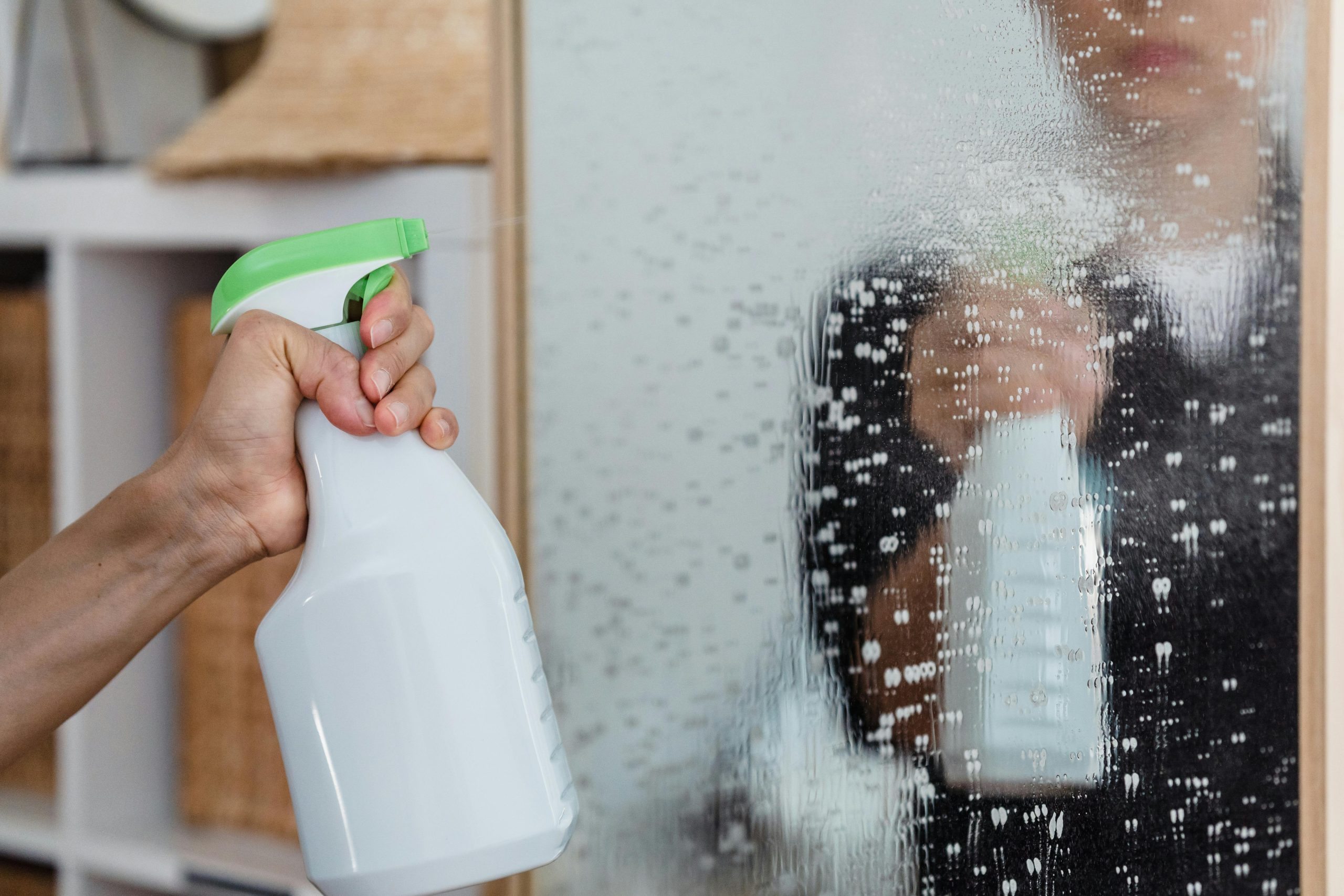
The mirror might be the bathroom’s simplest warning sign.A foggy mirror after a hot shower is normal. But if condensation remains, it could be a sign of poor airflow, cooler surfaces or undissipated humidity. When practical, the EPA moisture guidance says that you can reduce condensation by lowering the humidity, increasing the ventilation or raising the indoor temperature. The mirror is a strong “small clue people ignore” image for MSN readers because it’s familiar, and instantly readable. The slide should not scare readers, it should make them notice timing. If the mirror remains wet long after the shower, other surfaces may be drying more slowly than you expect.
Vanity Areas Holding Trapped Moisture
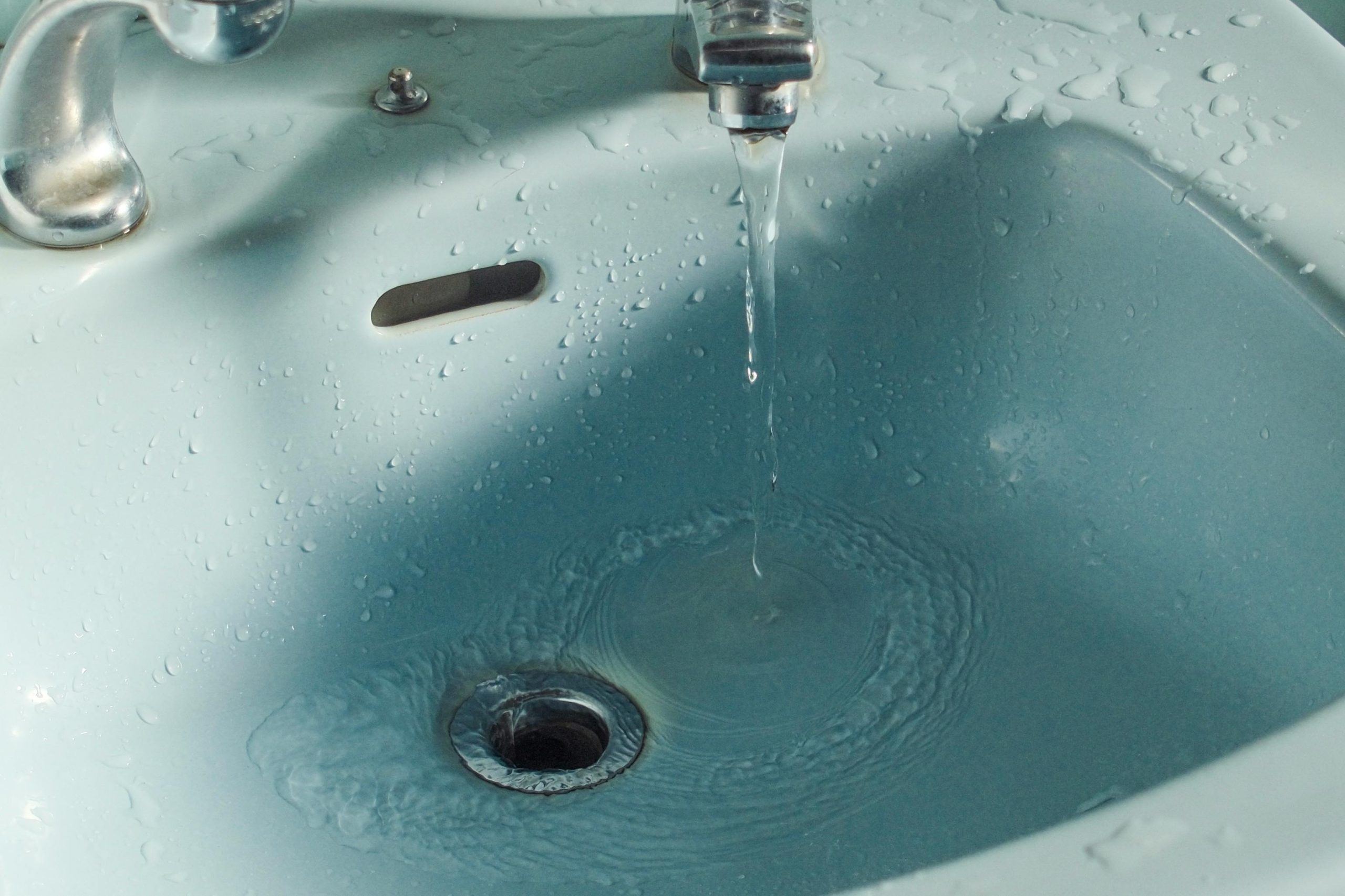
The damp clue people wipe around not under can hold the vanity.In many American bathrooms, the vanity is a moisture magnet: water at the base of the faucet, damp cups, overstuffed trays, makeup organisers, soap residue and closed cabinets underneath. None of these are very dramatic in themselves, but together they can help keep the washbasin area less fresh. The best visual isn’t a sloppy vanity. It’s a tight close-up of one wet ring or damp seam that tells the whole story. This last slide gives the gallery a good payoff: bathrooms don’t just stay damp because of showers but because little wet spots keep getting covered, crowded and ignored.