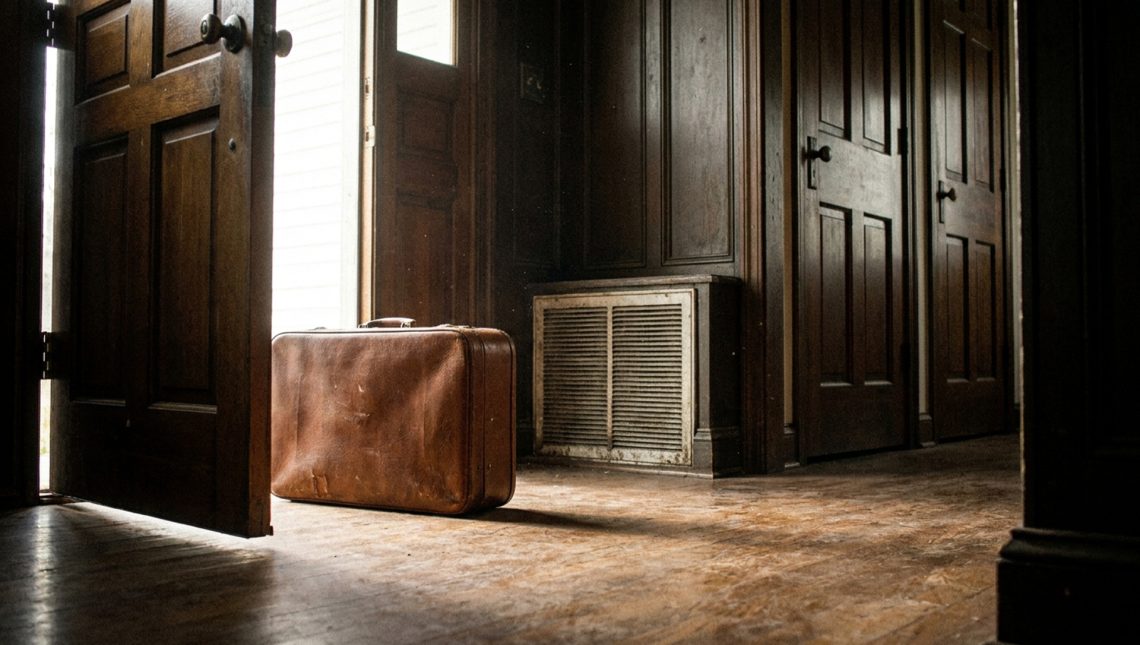
An older American house can smell perfectly normal on a busy weekday, but once the doors are shut for a weekend, it can feel entirely different. The first clue might be at the front door, in a guest bedroom, near the basement stairs or a windowless bathroom where air has not circulated much. These smells aren’t always disasters, but they can mean stale fabrics, dusty vents, damp mudrooms, dry drains, basement humidity or rooms that hide odour until the house sits closed. This gallery breaks down the smell zones that many homeowners and renters overlook, often only noticing them when they’ve been away.
The First Smell at the Front Door
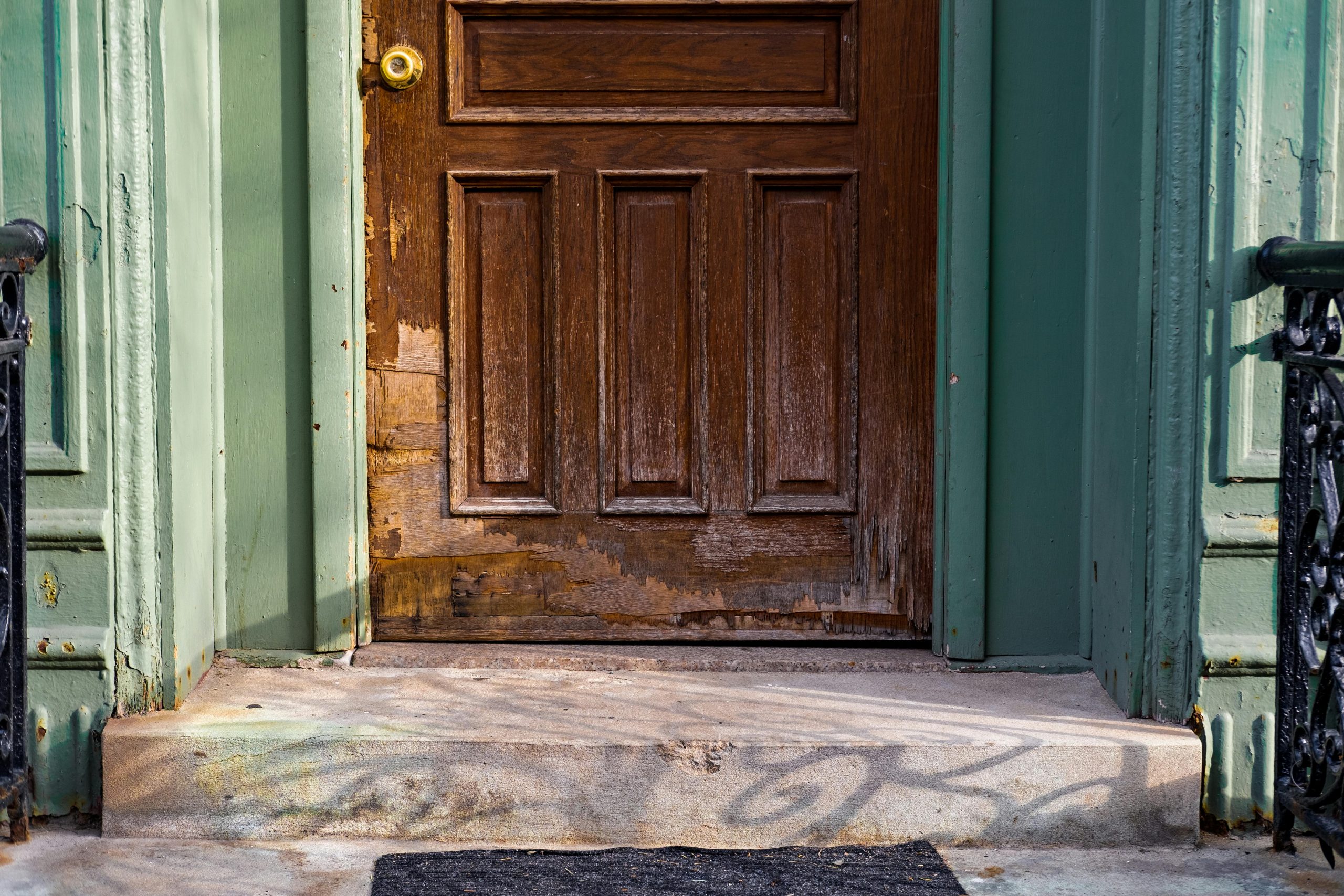
Often the first confession of the house is the smell of the front door.In a lot of American houses, the first smell you get when you walk in the front door seems to be stronger than when you’ve been inside for a while. That quick hit can come from closed windows, coats, shoes, rugs, pet areas, old wood, carpet or HVAC air that hasn’t travelled much. The mistake is to believe the house is dirty everywhere when the entryway is likely just gathering what every other room slowly sheds. A quick sniff test near the mat, coat closet and return vent can help differentiate ‘old house air’ from one particular source
Guest Bedrooms Closed Too Long
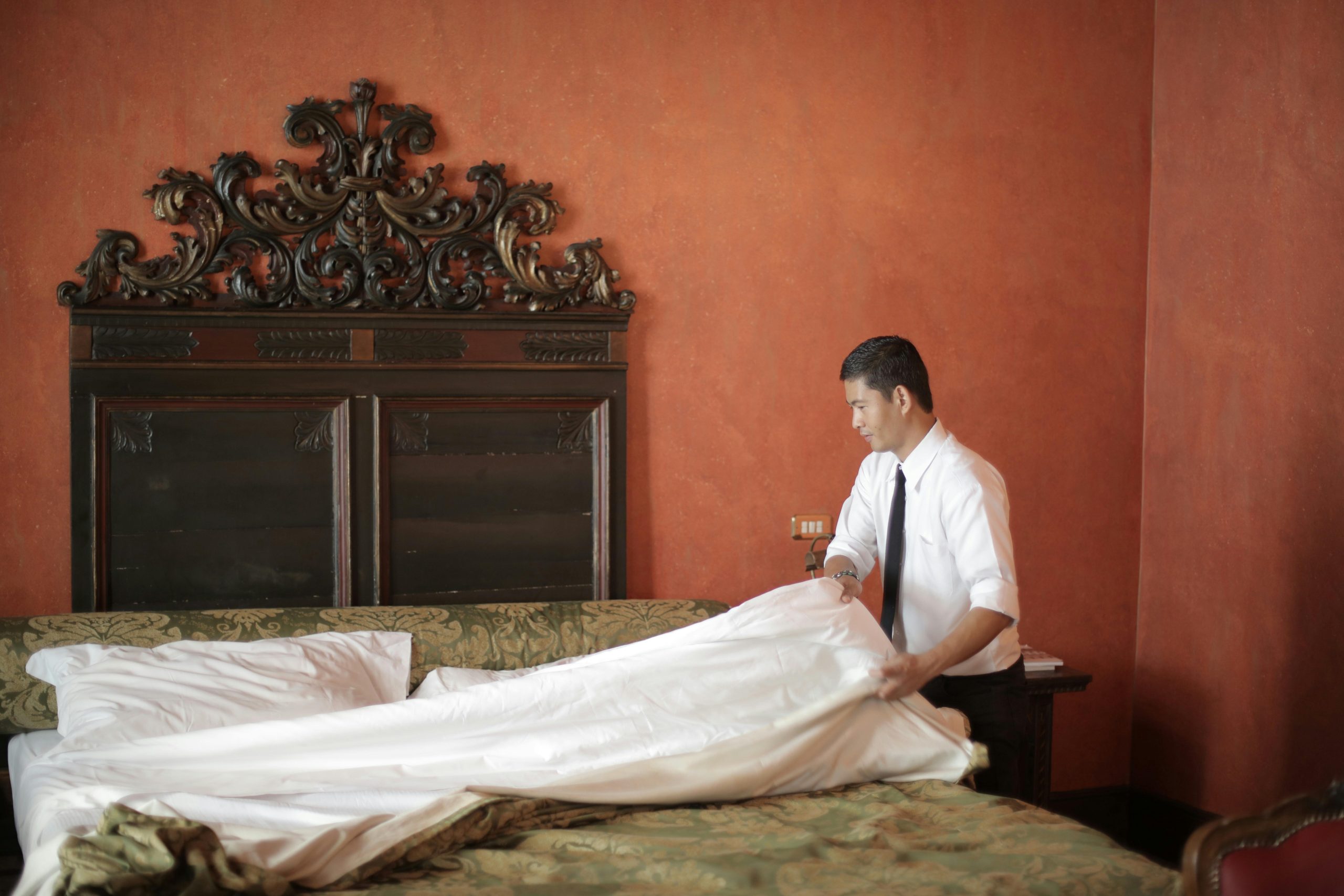
Even the cleanest-looking guest room can still smell stuffy.A typical American guest bedroom might have the bed made, the floor vacuumed, and the room still smell heavy after sitting closed. The usual suspects are soft furnishings: comforters, spare pillows, curtains, upholstered chairs and carpet. They can retain normal body odour, dust, detergent smell, or the air of an old house even if the room looks immaculate. The helpful fix is more than just spraying perfume. Open the door, let air pass through the room, wash or air out fabrics and check if the smell comes back when closing the room again.
Hallways With No Airflow
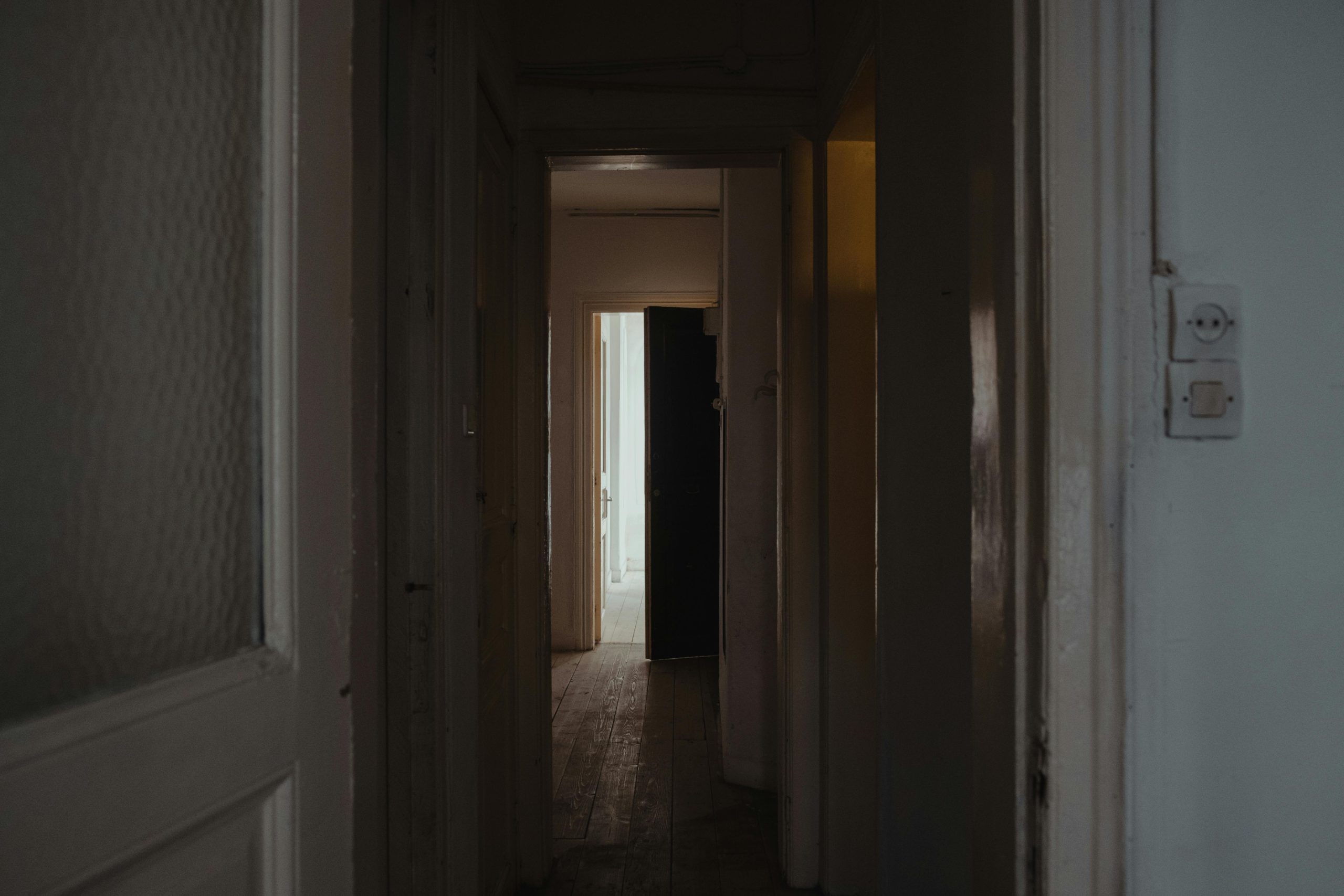
A hallway can make a whole house smell older than it is.In older American homes, hallways can be odour funnels. Bedrooms, closets, bathrooms and HVAC returns may all open into the same narrow space, causing stale air to collect where people notice it most. This is why a house can smell “old” down the hallway when no one room seems terrible. One simple test is to close the interior doors for a few hours, then open them one at a time and see which room changes the air. That makes a vague house smell a more useful clue rather than guessing with candles.
Windowless Bathrooms Holding Stale Air
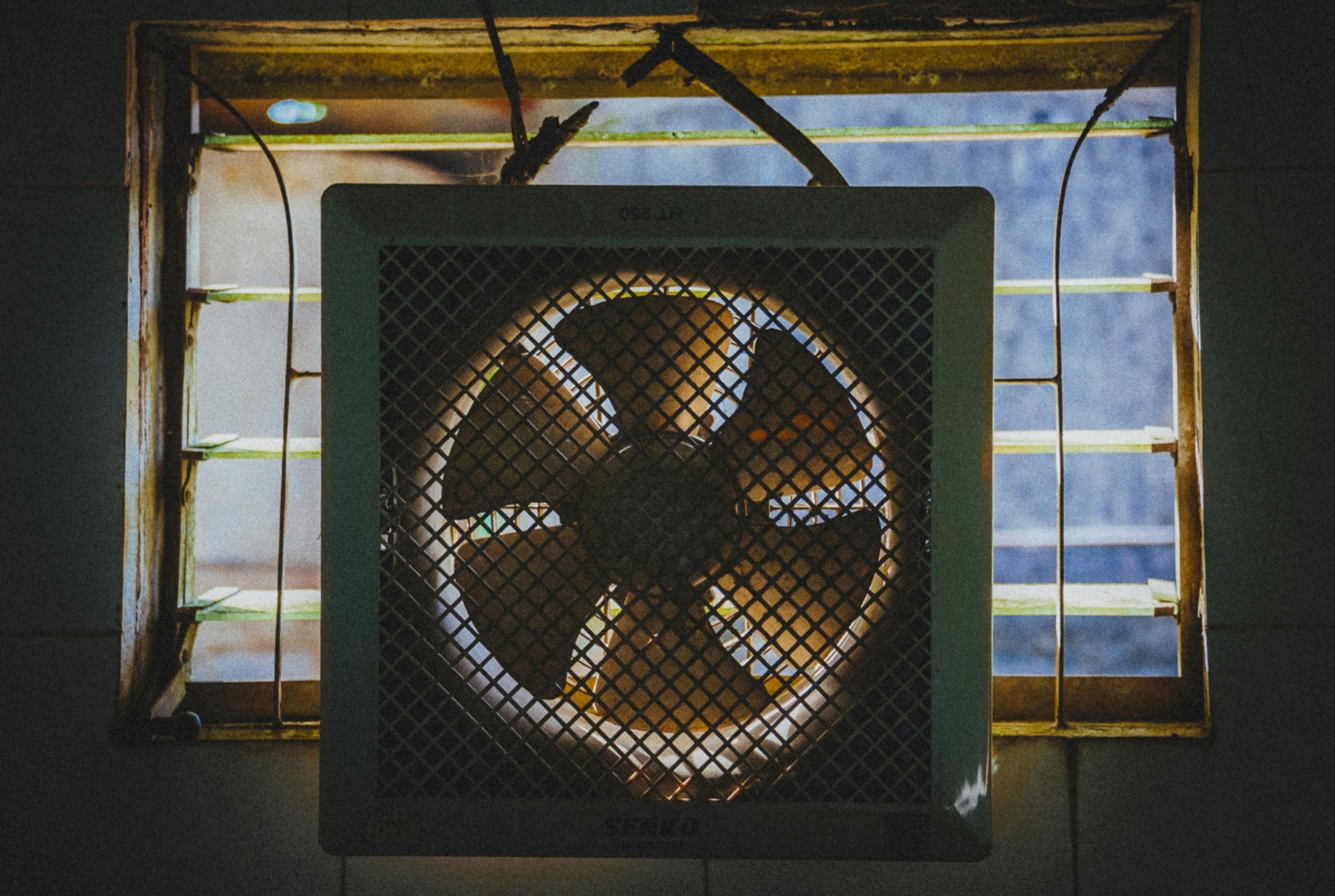
The bathroom without a window can hold the stench everyone blames on the entire house.In many American apartments and older houses, the exhaust fan is the not-so-secret weapon of the windowless bathroom. Damp towels, shower curtains, drains, grout and the fan cover can all contribute to that stale bathroom air if the door stays shut. The room may seem clean but moisture and poor air circulation leave it smelling less fresh after the house has been closed up. A good visual clue is the fan grille—if it’s dusty, weak or seldom used long enough after showers, the bathroom may be adding odour rather than clearing it.
Basement Stairs That Change the Air Instantly
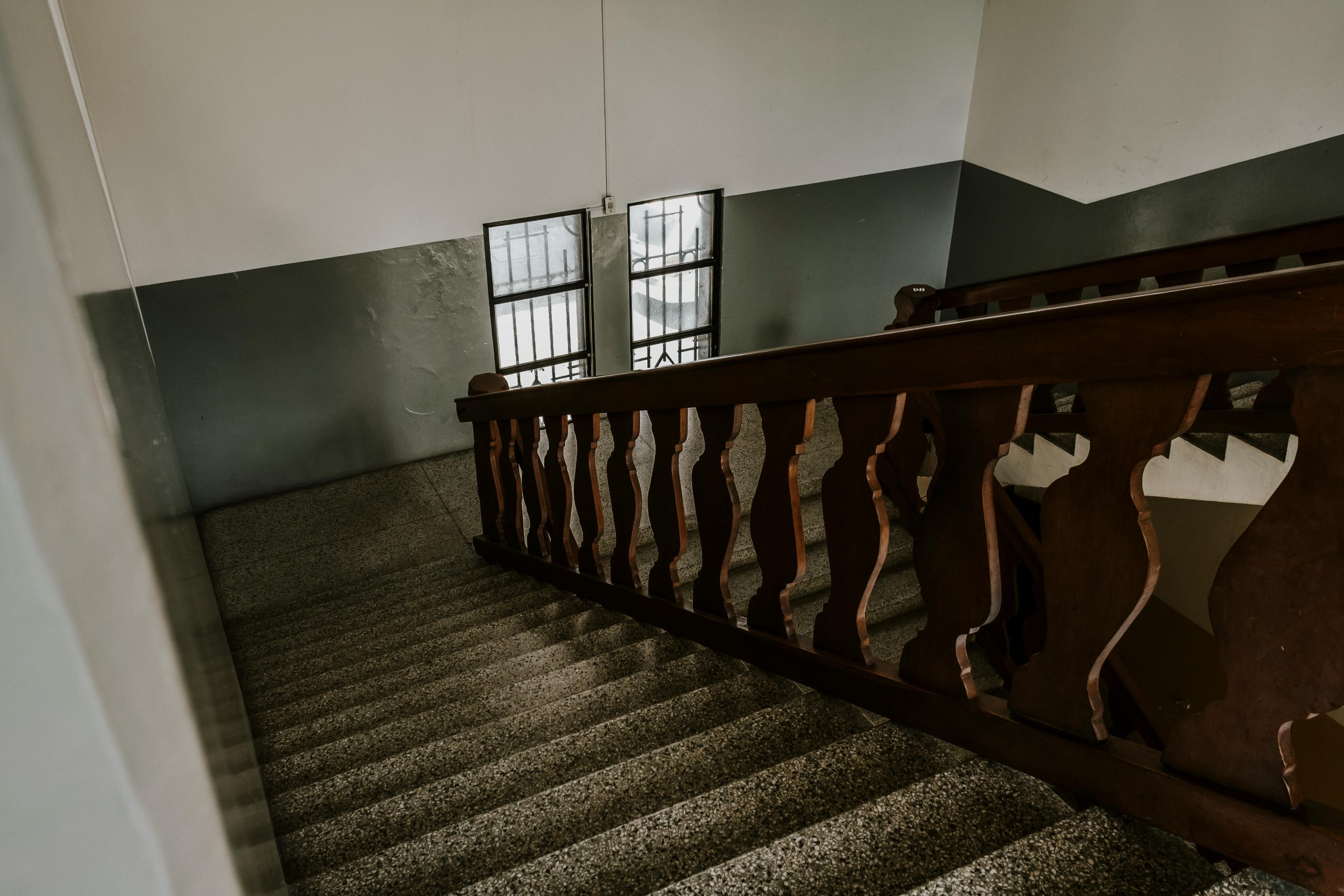
Basement air can change the smell of an old house in one step.In older U.S. homes, basement stairs can be used as a smell detector. If you smell something different when you open the basement door, it may be damp concrete, old panelling, boxes stored, laundry areas, floor drains or humidity rising up into the main floor. That is not to say panic, but it is to say the basement should not be ignored. A small humidity meter, dehumidifier, check of the floor drain for cleanliness, and a look for water marks can turn the smell into a manageable home clue
Attic-Adjacent Closets With a Dusty Smell
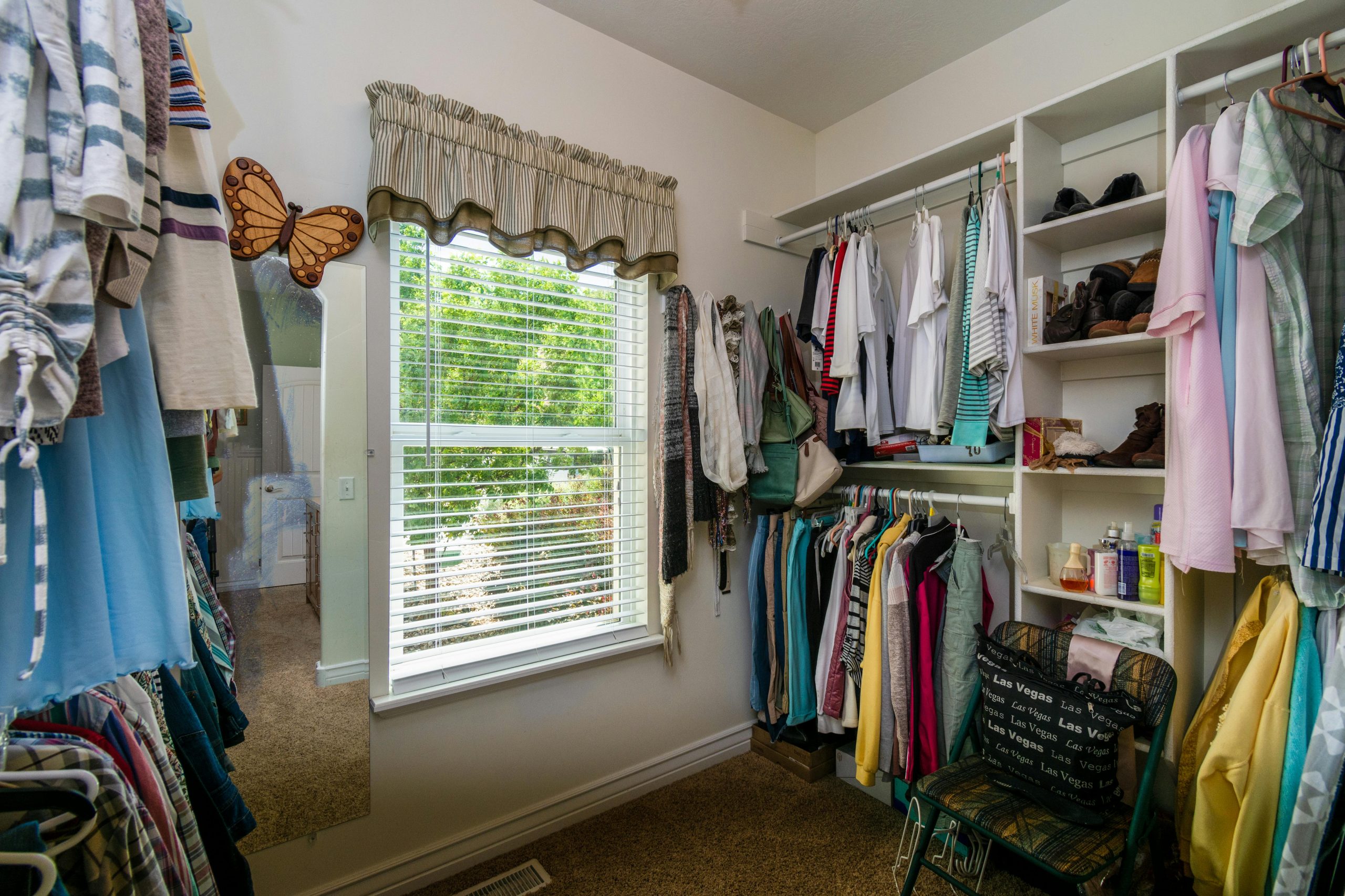
The musty smell may be lying in the closet by the attic.Closets near attic access in many older American homes can smell dusty even when the bedroom seems fine. The odour might be of winter coats stored away, cardboard boxes, old luggage, attic dust, or leaks of air around a hatch. Because closets are closed, the smell accumulates silently and rushes out when the door opens. Removing the cardboard, washing or airing out the fabrics, vacuuming the shelves, checking the seal on the attic hatch, and noting whether the smell returns more quickly on humid or very hot days can all be helpful.
Mudrooms That Trap Outside Dampness
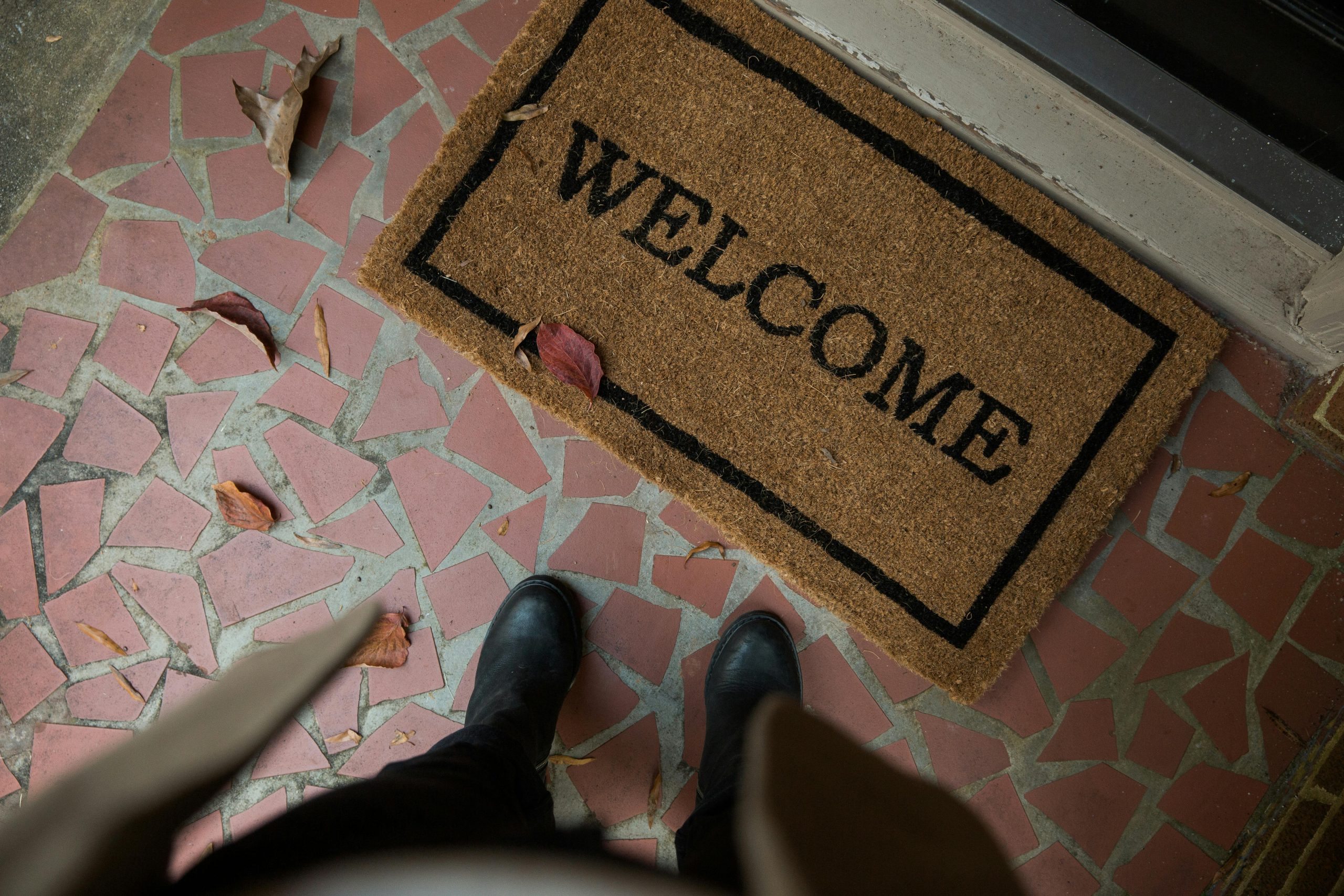
A damp odour may develop in a closed house from the mudroom before the floor is noticed.Back doors, garages, patios or laundry-side entrances in U.S. homes can make the mudroom a stealthy odour trap. Rain shoes track, wet grass, driveway dirt and dog smells, thick floor mats and jackets take a long time to dry when the house is closed. It doesn’t look dirty but it can smell damp if air stops moving. A smarter move is to lift the mat and smell the shoe rack and wash fabric bins or pet towels instead of blaming the whole house.
Rooms That Smell Fine Once You Are Inside Longer

A room can smell ‘fine’ only because you’ve been there too long.One tricky old-house smell problem is that it doesn’t smell after a few minutes. It didn’t mean the room had freshened itself. Many U.S. living rooms have soft surfaces like couches, rugs, curtains, throw blankets and pet beds that trap odours that only become apparent once you leave and come back. This is why guests may detect what homeowners cease to smell. A good test is to go out for 10 minutes and then come back and check the room before lighting candles or spraying anything.
Rainy-Day Smells People Notice More
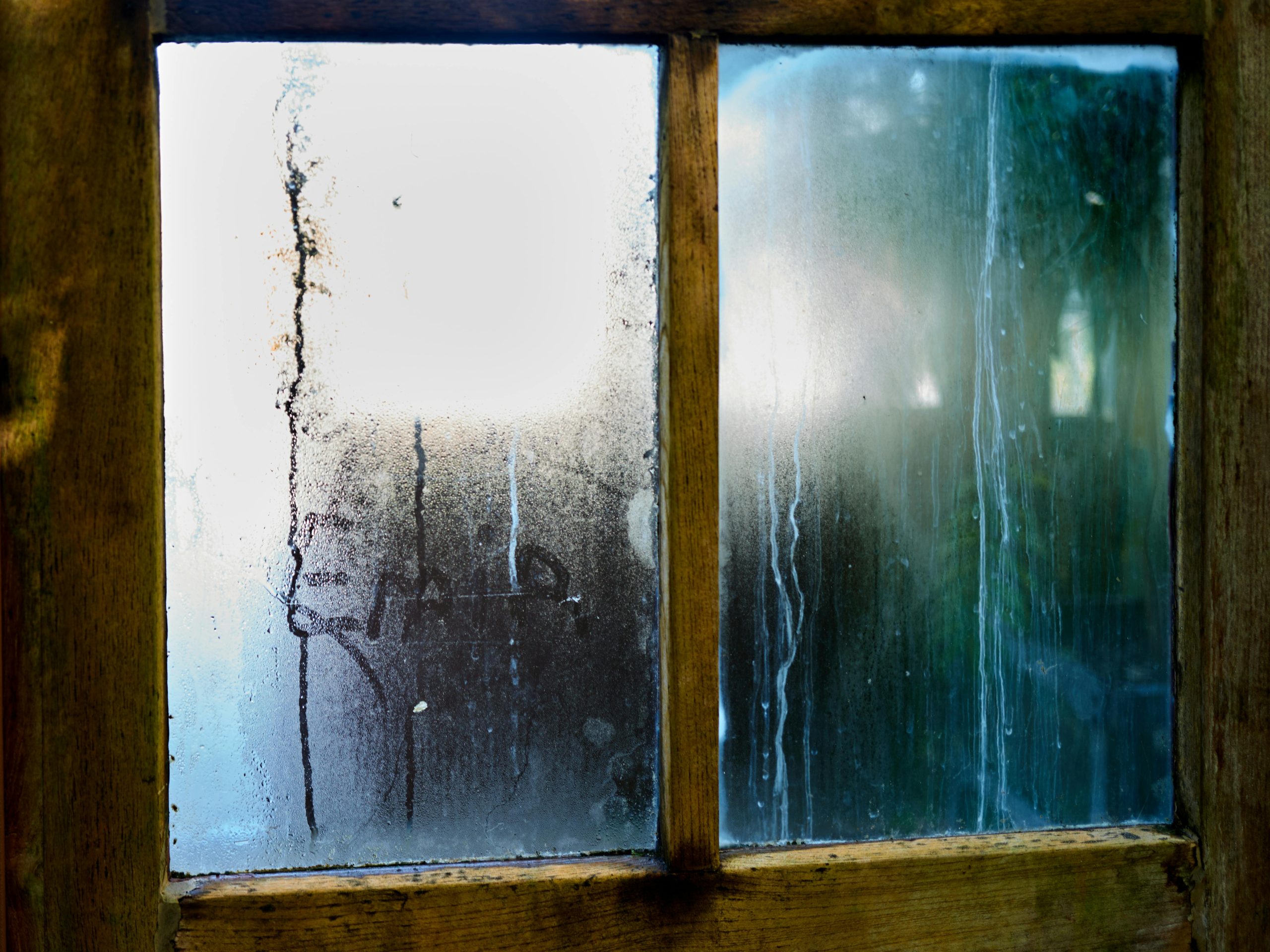
If the smell appears after it rains, don’t write it off as “just old house air.”Older homes in America can give off stale or musty smells when it rains. Moisture can enter through basements, crawlspaces, exterior walls, windows, door thresholds and stored materials. You may get a whiff of it before the leak becomes visible, particularly in a sealed house as the humidity increases. This is a clue to “pay attention”, not a reason to exaggerate the danger. Check gutters, basement corners, door mats, window trim and humidity levels, then see if the smell dissipates as weather dries.
“We Only Smell It After Being Away” Situations
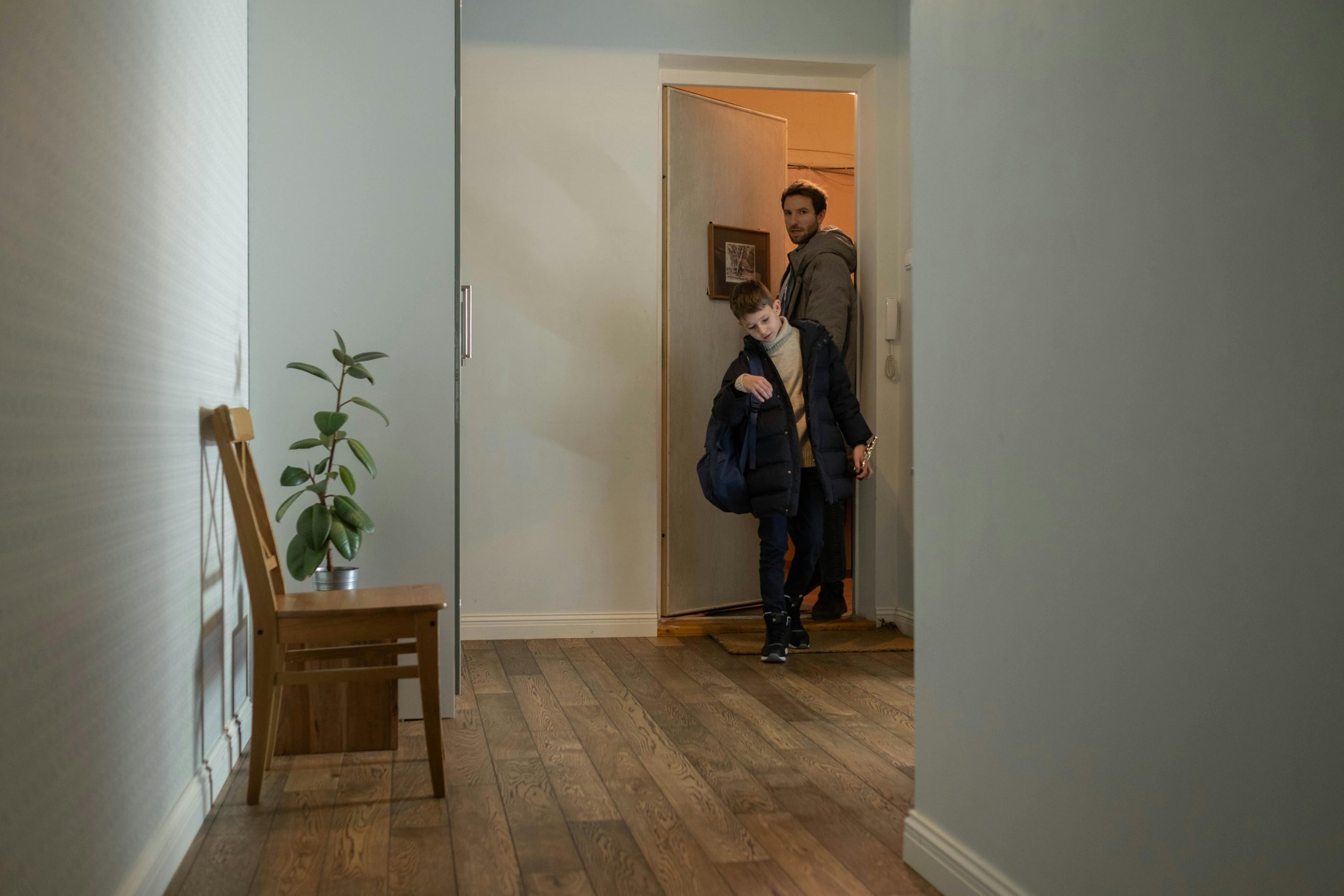
pexels-cottonbro/The after-vacation smell may be the most honest one.
The smell after a journey can show what everyday life hides.Many homeowners only notice the old-house smell after a weekend trip, a vacation or a few days shut in. Timing is everything. Daily movement, cooking smell, laundry smell, open doors, fans, and people walking through rooms can cover up weaker smells. In the quiet of the house it’s easier to hear the real sources: drains, fabrics, closets, basements, mudrooms, vents, damp corners. The first step is practical, do a room by room return test before unpacking so the strongest smell zone is still visible.