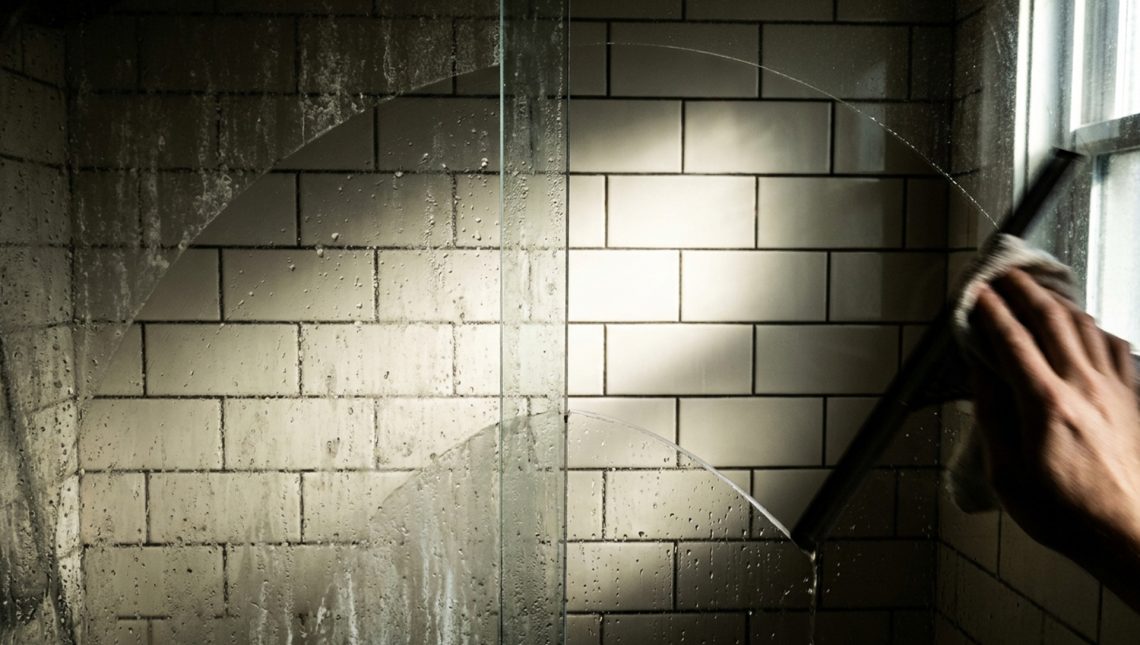
Hard water doesn’t always look dramatic at first. In many bathrooms in the U.S. it begins with a pale ring around a tap, a cloudy shower door, a toilet mark that comes back after cleaning, a showerhead that sprays in odd directions. These little hints can quietly age a bathroom, make it look dull and harder to clean than it really is. This gallery highlights 10 visual hard-water signs that homeowners and renters often overlook until it’s too late, explains why they keep reappearing, and reveals what each clue can tell you about cleaning routines, moisture, minerals, and unmaintained bathroom surfaces. Each slide gives a visual direction in zoom so that the problem is understood in one second.
White Crust Around Faucets.
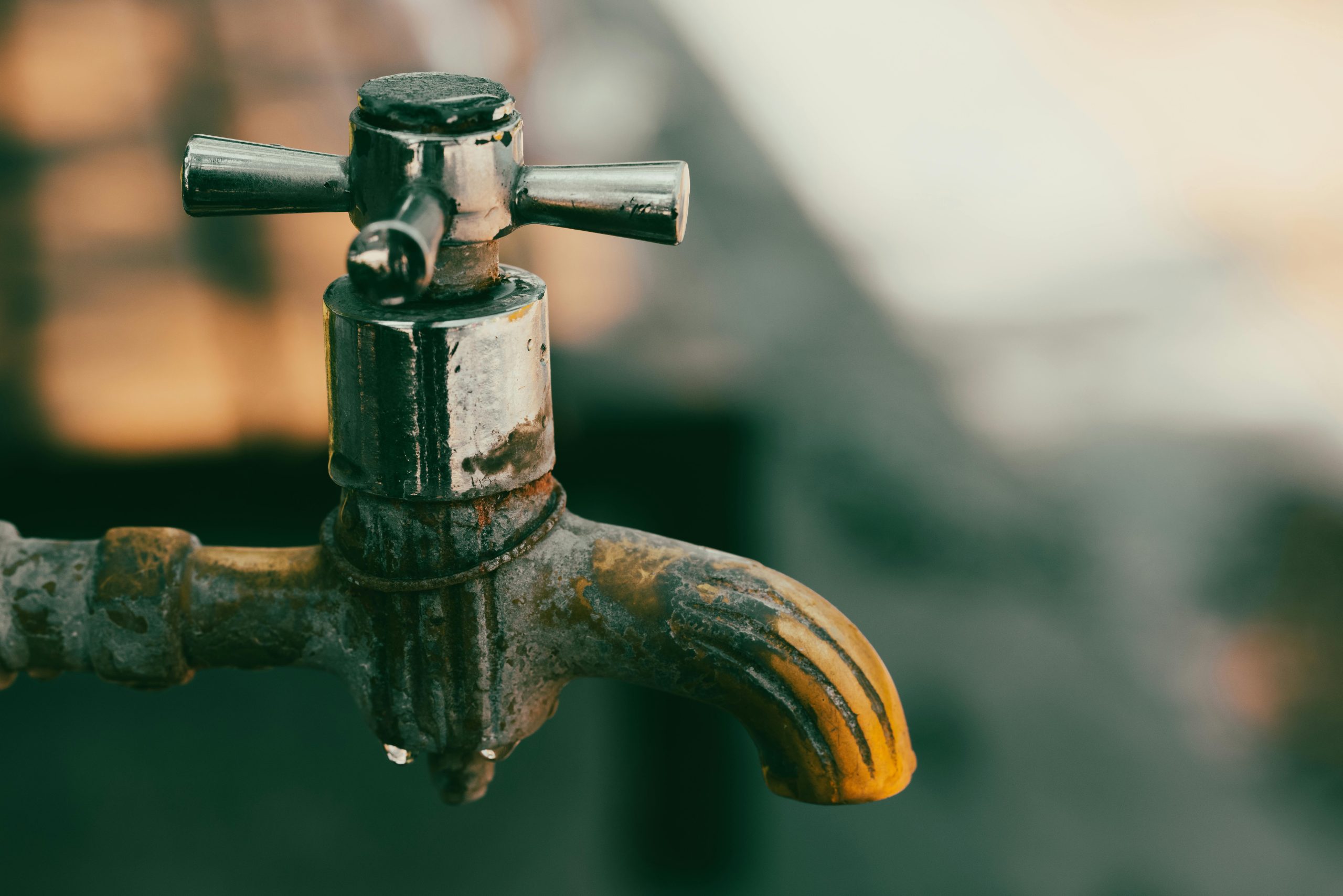
Your bathroom could still be ageing even with that clean tap.In many bathrooms in the U.S., the first sign of hard water is a chalky white ring around the faucet handles or the base of the spout. It often forms where water rests, dries and leaves minerals behind. This will make a newly wiped washbasin look older, duller and uncared for. The tricky thing is that regular wiping may remove surface moisture, but not the built-up mineral edge. Eventually, the tap can lose its shine, and the crust can make guests notice the washbasin before the rest of the room. The visual fix usually begins with treating the buildup as mineral scale, not everyday grime, and protecting the finish.
Toilet Rings That Come Back Quickly..
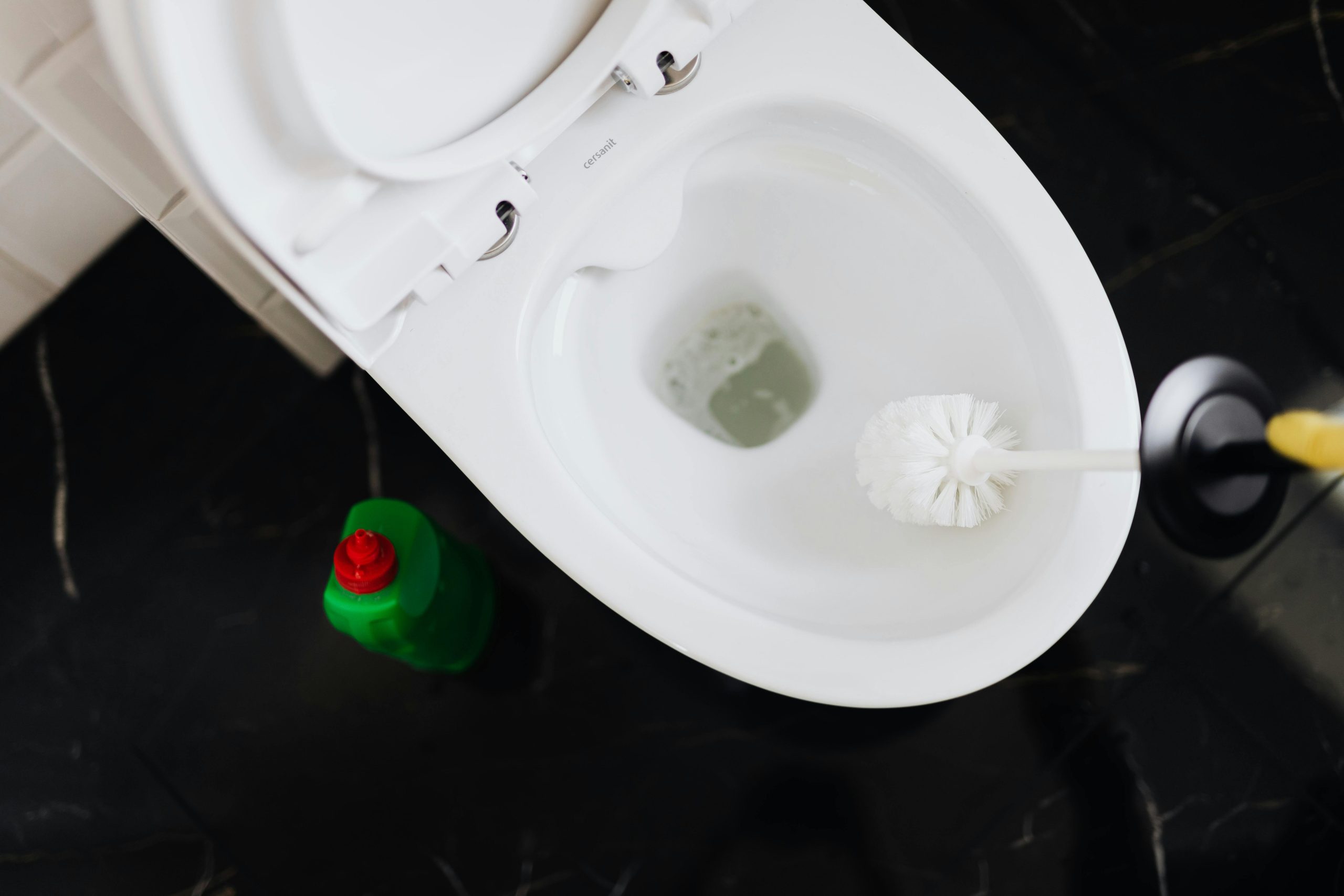
That ring that keeps coming back? Your water might be telling on you.For example, if you clean the toilet often but the ring returns quickly, it can make a bathroom look older. In homes with hard water, minerals can build up on the waterline and trap discolouration, making the bowl look like it needs cleaning again sooner than you might think. That’s why some people scrub harder, switch cleaners, or blame the toilet when really the pattern has to do with water and buildup. The safest MSN angle is not fear but acknowledgement. If the same ring comes back in the same place the clue may be mineral scale. That changes the cleaning strategy, and helps explain why the bathroom always looks ‘not quite clean’.
Showerhead Buildup Affecting Spray.
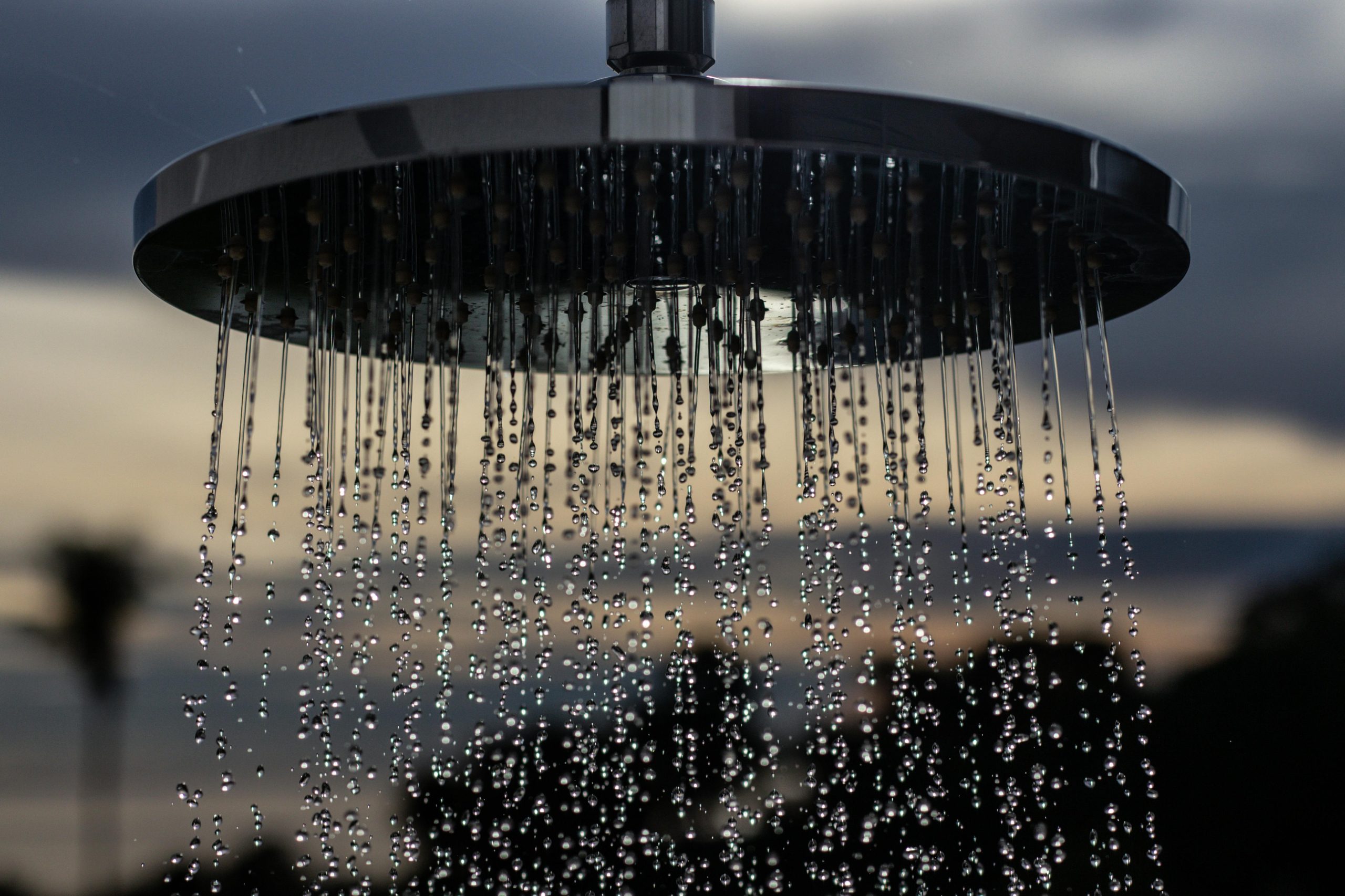
Your showerhead may show signs of hard water before your walls do.If your shower head begins spraying in odd directions, with a weak flow, or uneven streams, hard water could be the culprit. Minerals can dry around the small openings and gradually change the way water leaves the fixture. This clue is more useful than it looks, according to Consumer Reports, as hard water can lead to scale buildup and clogged showerheads over time. In many American bathrooms, people notice the spray before they notice the white dots. A close-up shot of a showerhead works well for MSN because the problem is instantly apparent: a few clogged holes, dull chrome, and a shower that feels older than it should.
Glass Doors That Always Look Cloudy.
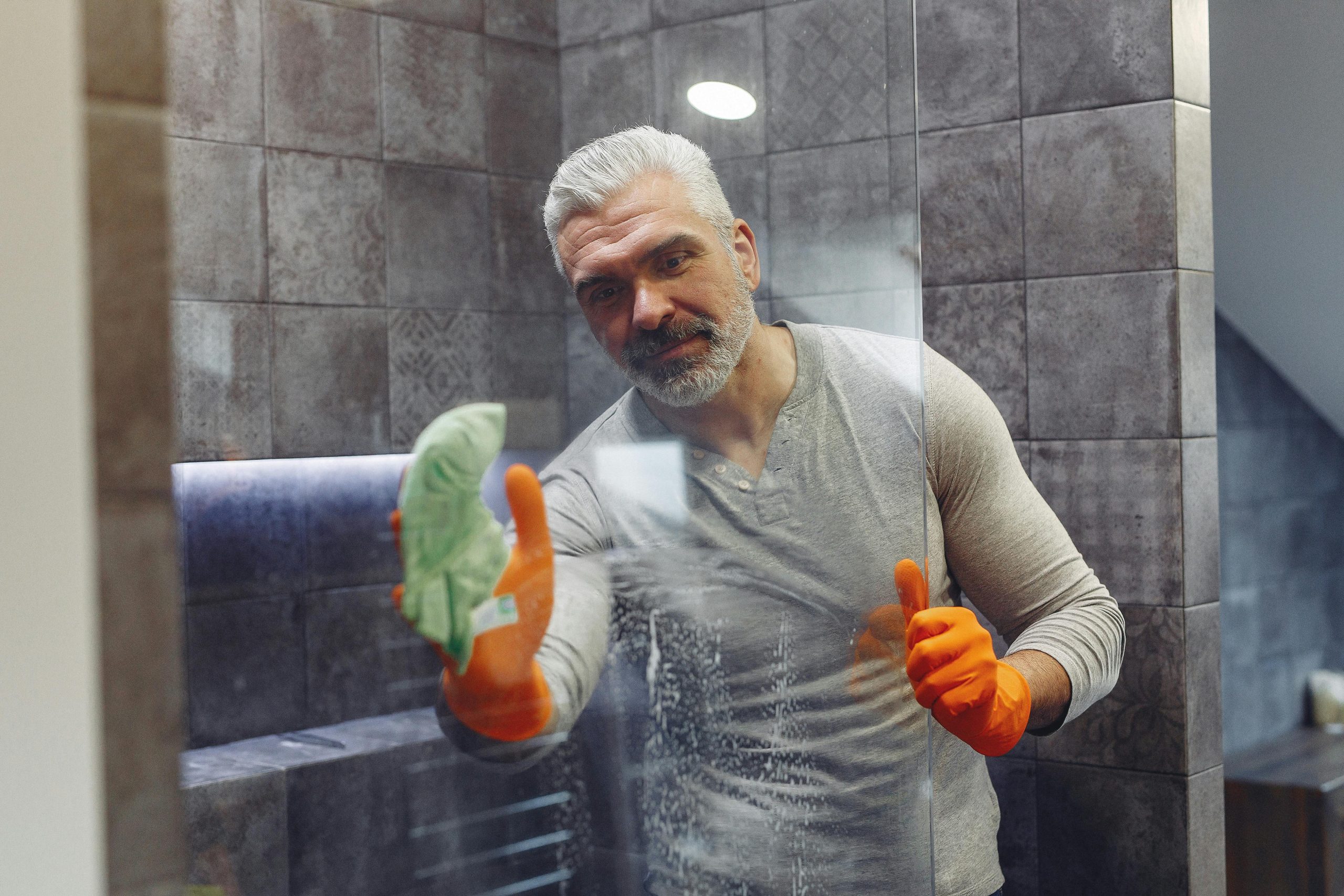
A cloudy shower door can quickly ruin a clean-bathroom look.Glass doors are among the most visible hard-water clues, catching the light from every angle. Cloudy streaks can make a shower look old, dull and unfinished even after a bathroom is cleaned. Good Housekeeping recommends squeegeeing or wiping glass and using products designed for mineral buildup, especially if you’re in an area with calcium and magnesium in the water and hard-water stains. This is a good visual for an MSN slide because readers know the frustration straight away. The glass doesn’t have to be dirty, it just has to have that stubborn gray-white film that says, “I just cleaned this, so why does it still look cloudy?”
Sink Drains With Visible Mineral Marks.
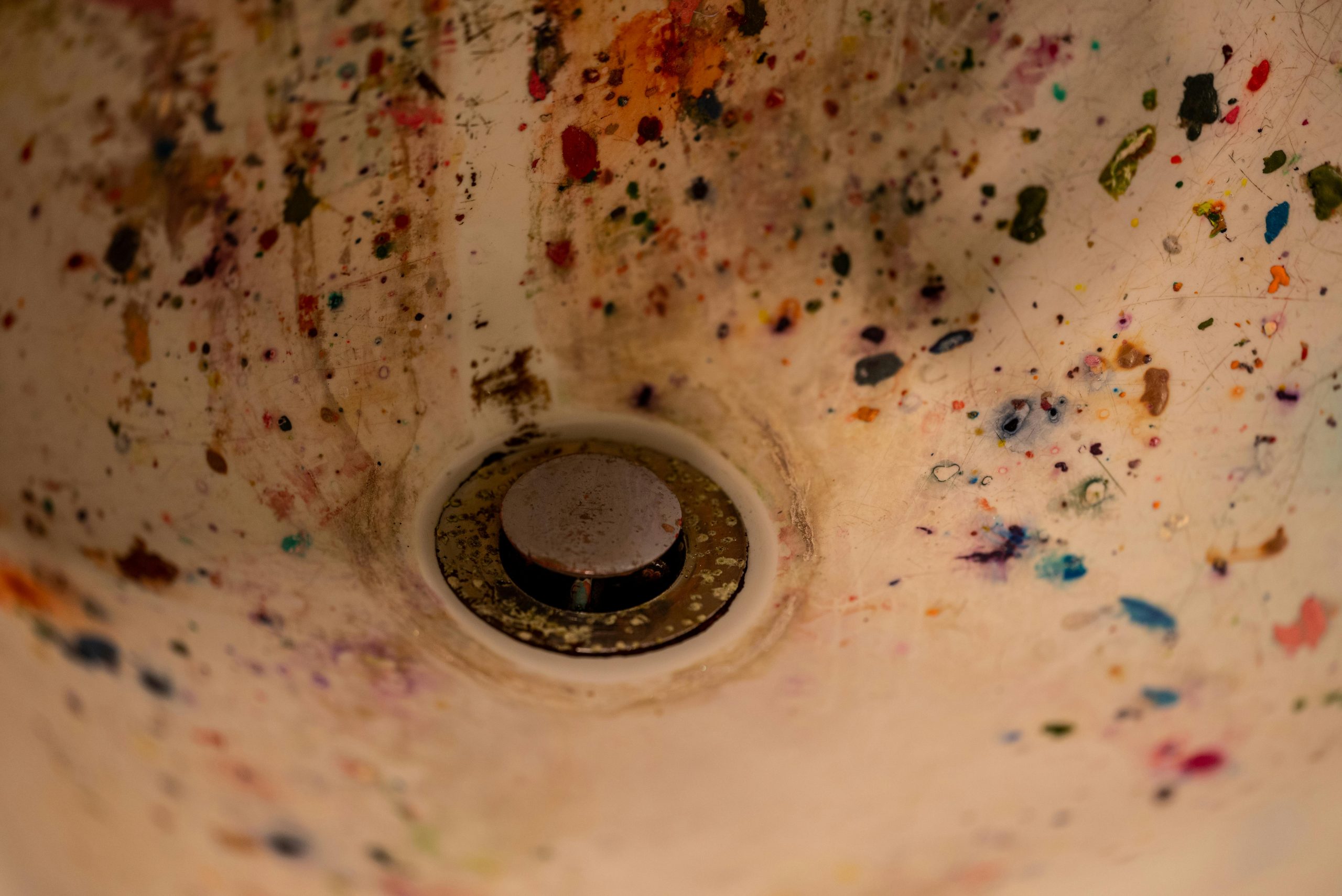
The washbasin drain can be the most visual impact, maybe the smallest clue.The small size makes the sink drain easy to overlook, but that little metal ring can quickly age the look of a bathroom sink. In many U.S. homes, water gathers around the drain after hand-washing, toothbrushing, shaving, or rinsing cleaning cloths. Sometimes, as it dries, minerals can leave a pale mark that cannot be wiped away in the usual way. The result is a washbasin that appears “used” even right after cleanings. This slide works because the image is simple: one drain, one white ring, one clear problem. It also shows readers how to look at the places where water stops, not just the places they wipe every day.
Chrome Fixtures Losing Shine.
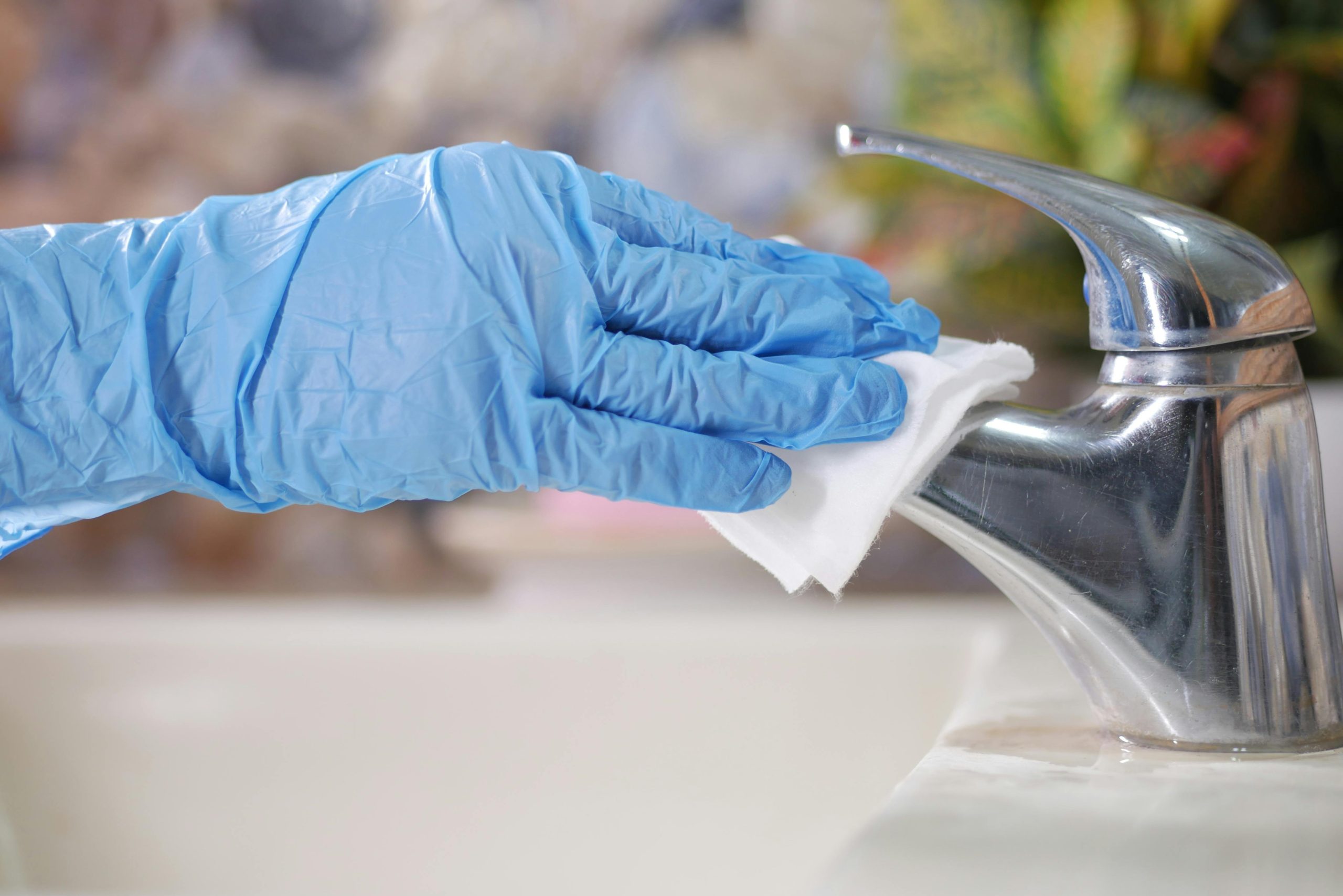
A dull chrome can make a new bathroom look older.Chrome fixtures are made to reflect light, so hard water spots show up quickly. In a typical American bathroom, minerals can dry on the surface of faucet handles, shower trim, towel-bar ends and drain covers, depriving them of their crisp shine. The danger for the finish is over-scrubbing or using the wrong abrasive method, so this slide should stay cautious: the clue is visual, not a demand to attack the metal. The payoff is simple. If chrome looks like it’s permanently dull, it may not be just age. It can be repeated water drying in the same spots leaving a cloudy layer that makes the whole fixture look older.
Tub Edges That Show a Mineral Line.
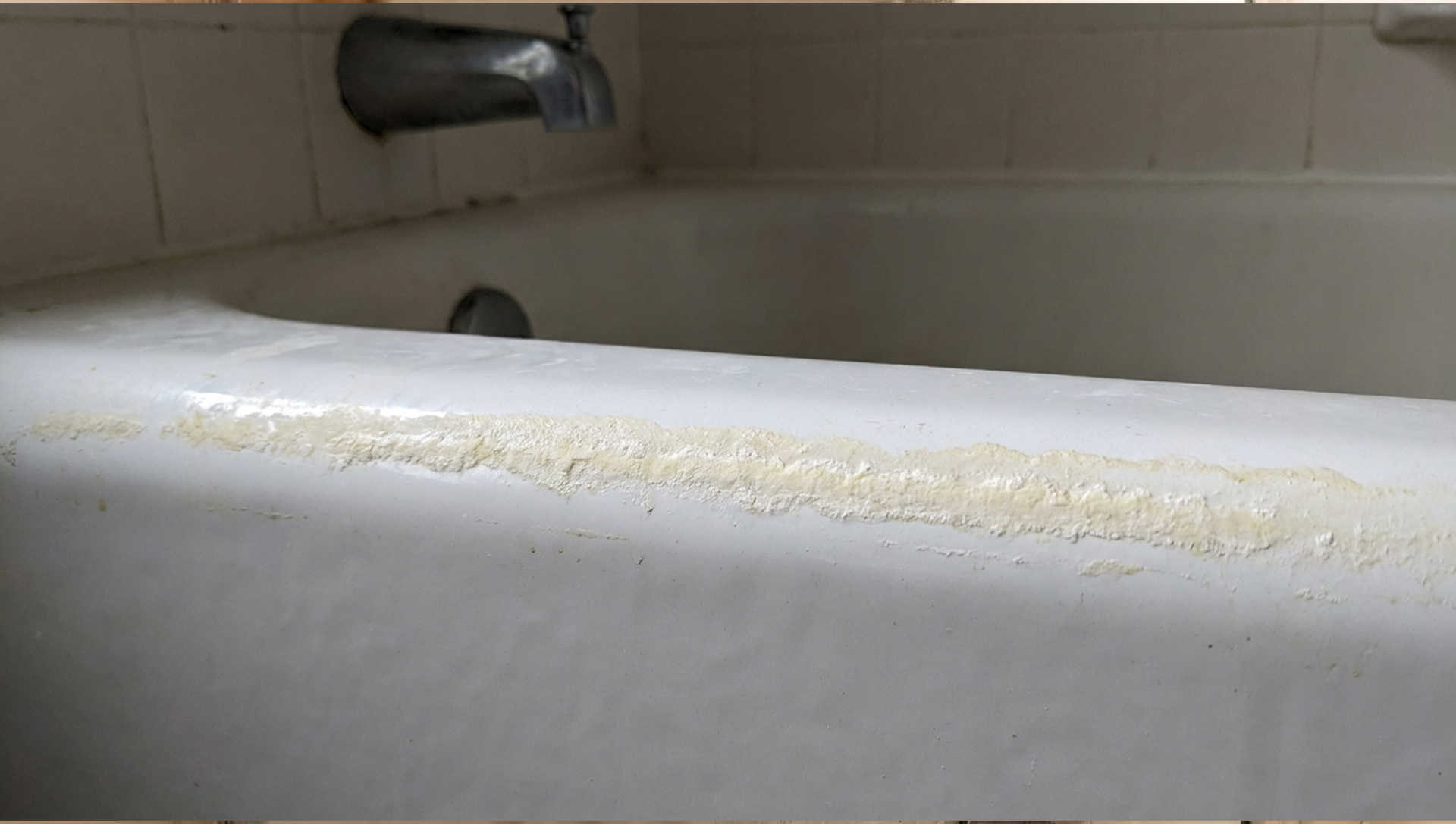
That skinny tub line might be ageing out the shower.The tub edges make a perfect hard-water visual. Water collects along the rim, dries against the wall and leaves a pale line that looks like an old bathroom. You’ll hear this phrase a lot in suburban bathrooms and apartments that are rented out, even if the tub is cleaned regularly. It can age caulk, tile and porcelain. The key is not to panic but to frame it as a clue. A thin mineral line could just be water drying over and over in the same place. For MSN, this slide gives readers a little “look there” moment that feels helpful and instantly familiar.
Tile Spotting People Keep Wiping Away.
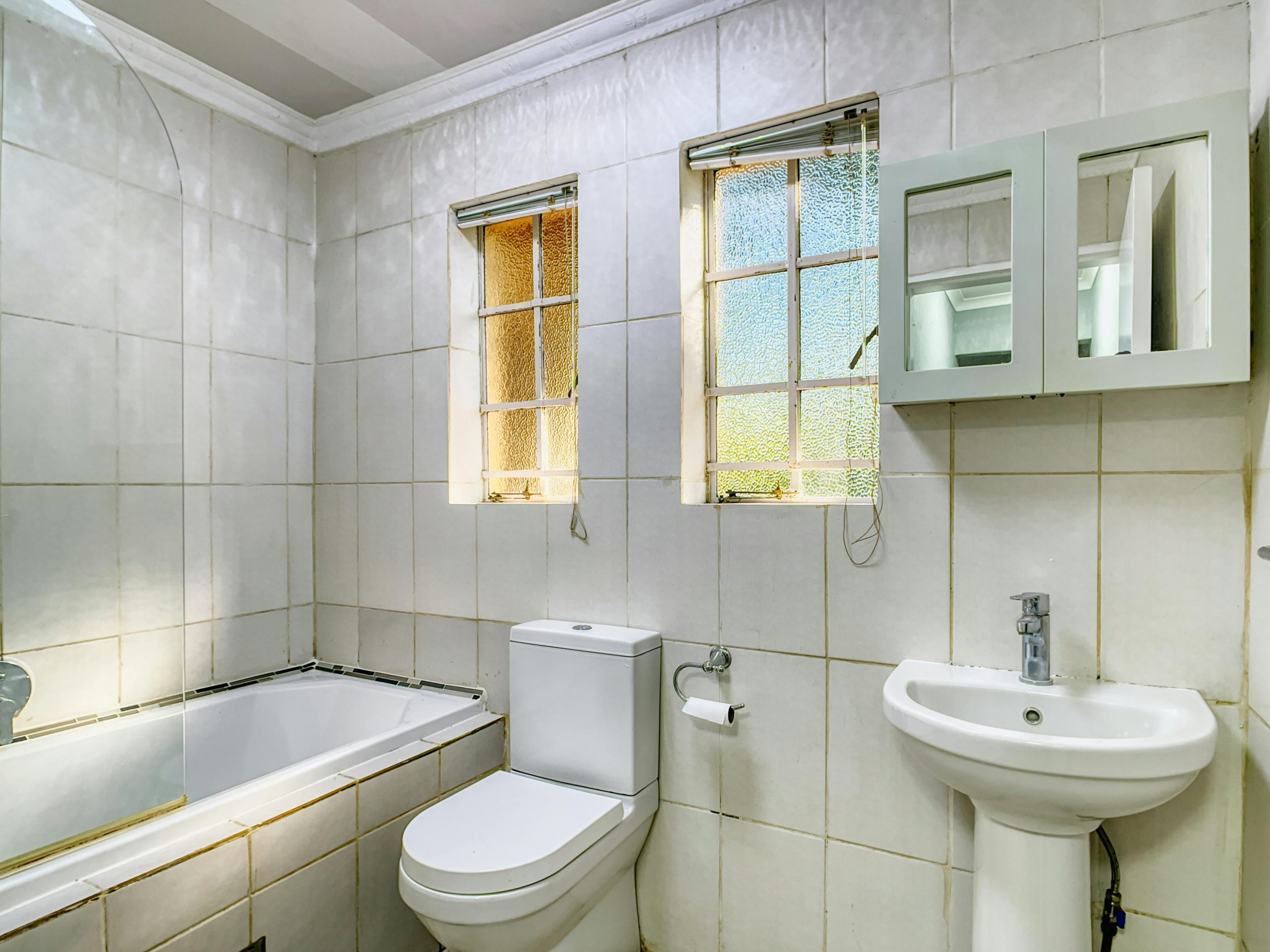
The tile spots come back and cleaning seems futile.Tile spotting is one of the most irritating hard-water clues as it can return after a shower. A wall can look clean when wet, and then dry in pale dots and streaks that age the room. In American homes with glass doors or tiled showers it can be a daily wipe-and-repeat cycle. The good angle is that where water hits and evaporates, there is often a spot to be found. So the visual pattern is important. If the same tiles are getting marks, the culprit could be drying minerals, soap residue or a combination of both. The reader gets an instant “I have that” reaction from a close-up shot of a tile.
Bathroom Corners That Look Chalky.
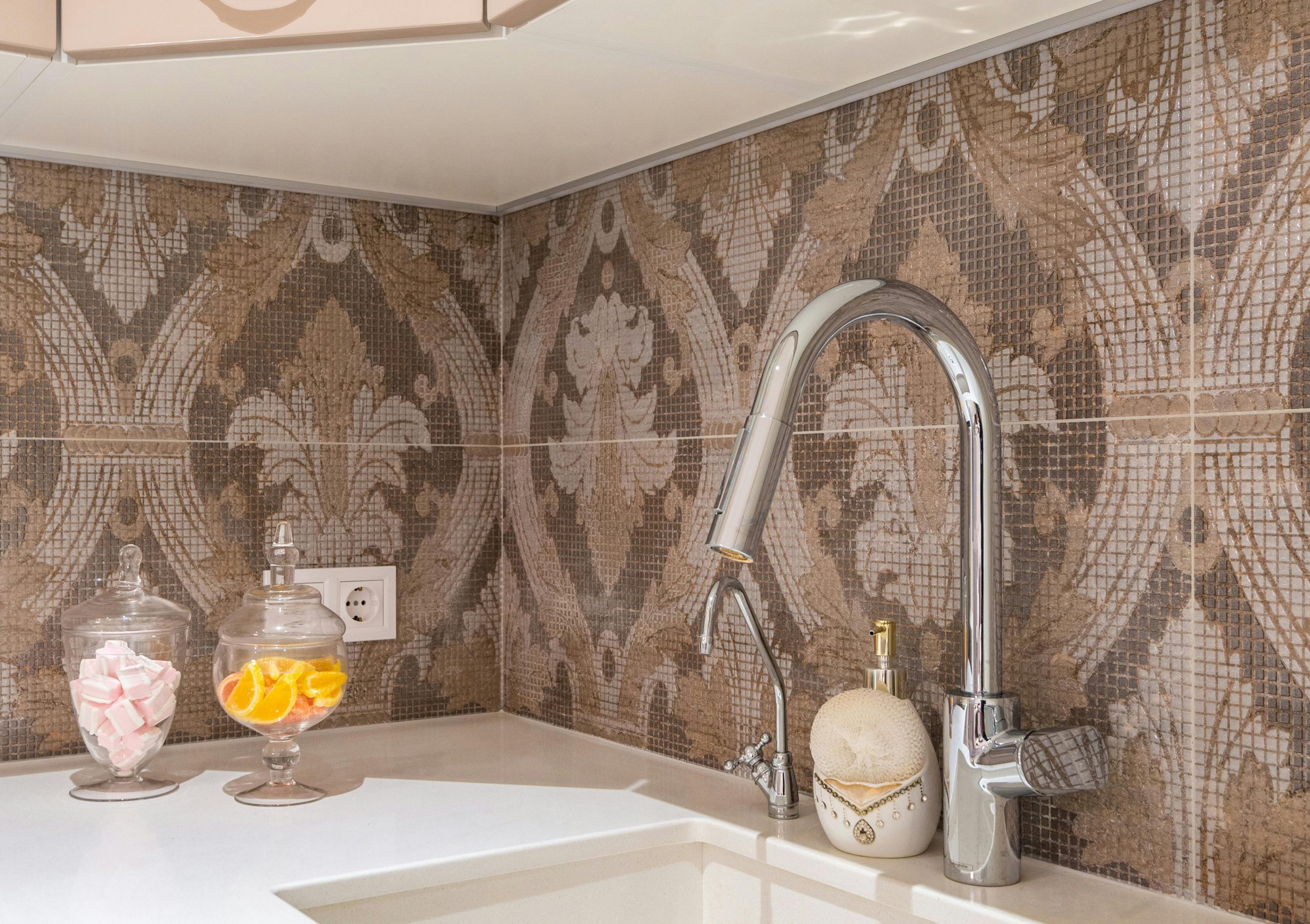
The chalky corners are easy to miss until the bathroom starts to look old.Hard water evidence can quietly build up in bathroom corners where water doesn’t always dry evenly. Cloth drips and water puddles can leave a pale ring around a shower rim, backsplash, tub corner or tap seam. This results in a chalky look that makes tile, caulk or porcelain feel older than the rest of the room. This slide should not go overboard with warnings, but rather show the visual truth: corners exhibit repeat moisture patterns. It also provides a strong “small clue people ignore” moment for U.S. renters and homeowners, because the corner is rarely the first place anyone looks.
The Cleaning Struggle That Keeps Repeating.
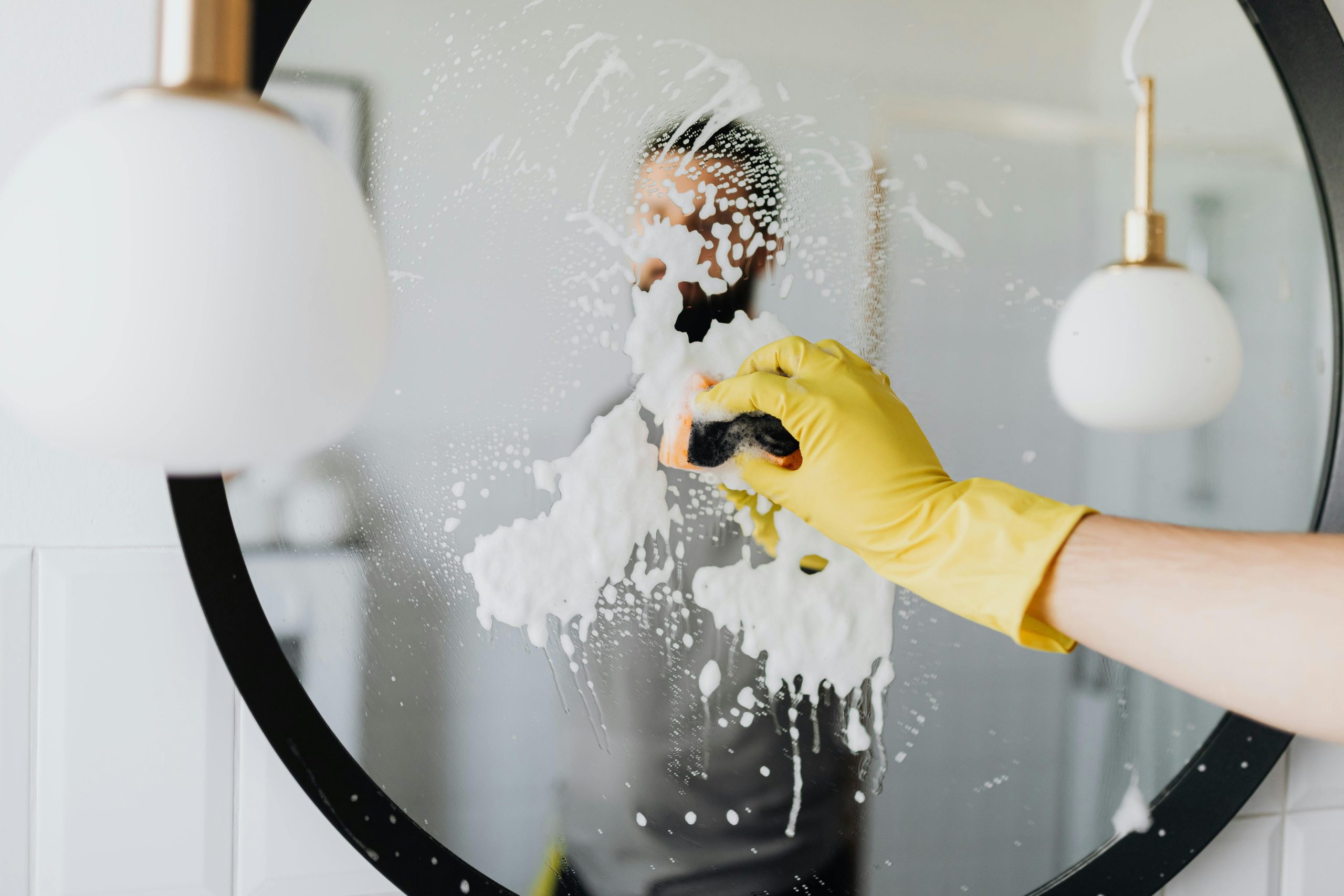
If you see the same marks appear again, the bathroom may be fighting the water.The biggest hard-water clue is not a single stain, but the repeat cycle. Many people across the U.S. clean the tap or shower glass, toilet ring or tub edge in their home, only to have the same cloudy marks return. That can age a bathroom quicker because the room never gets that fully fresh look for long. The better takeaway from MSN is pattern recognition: where does water sit, where does it dry, and which surfaces keep showing the same mineral marks? Hard water is manageable, but it requires a proper routine, safe surface choices and consistent drying habits. The trick is to not fail. It is a trend.