Some of the appliance problems do not start with a breakdown. In a lot of US homes, they start with a smell from the dishwasher, extra heat near the dryer, a new fridge noise, a washer that shakes harder than usual, or an oven that browns food unevenly. The appliance still “works,” so these clues can be easy to dismiss, but small changes can sometimes indicate buildup, blocked air flow, worn parts, poor levelling, or settings needing attention. This collection is dedicated to visual, everyday warning signs homeowners and renters may see around the kitchen, laundry room, garage or apartment before the problem becomes more costly, annoying or hard to ignore.
Dishwasher Smells That Keep Coming Back.
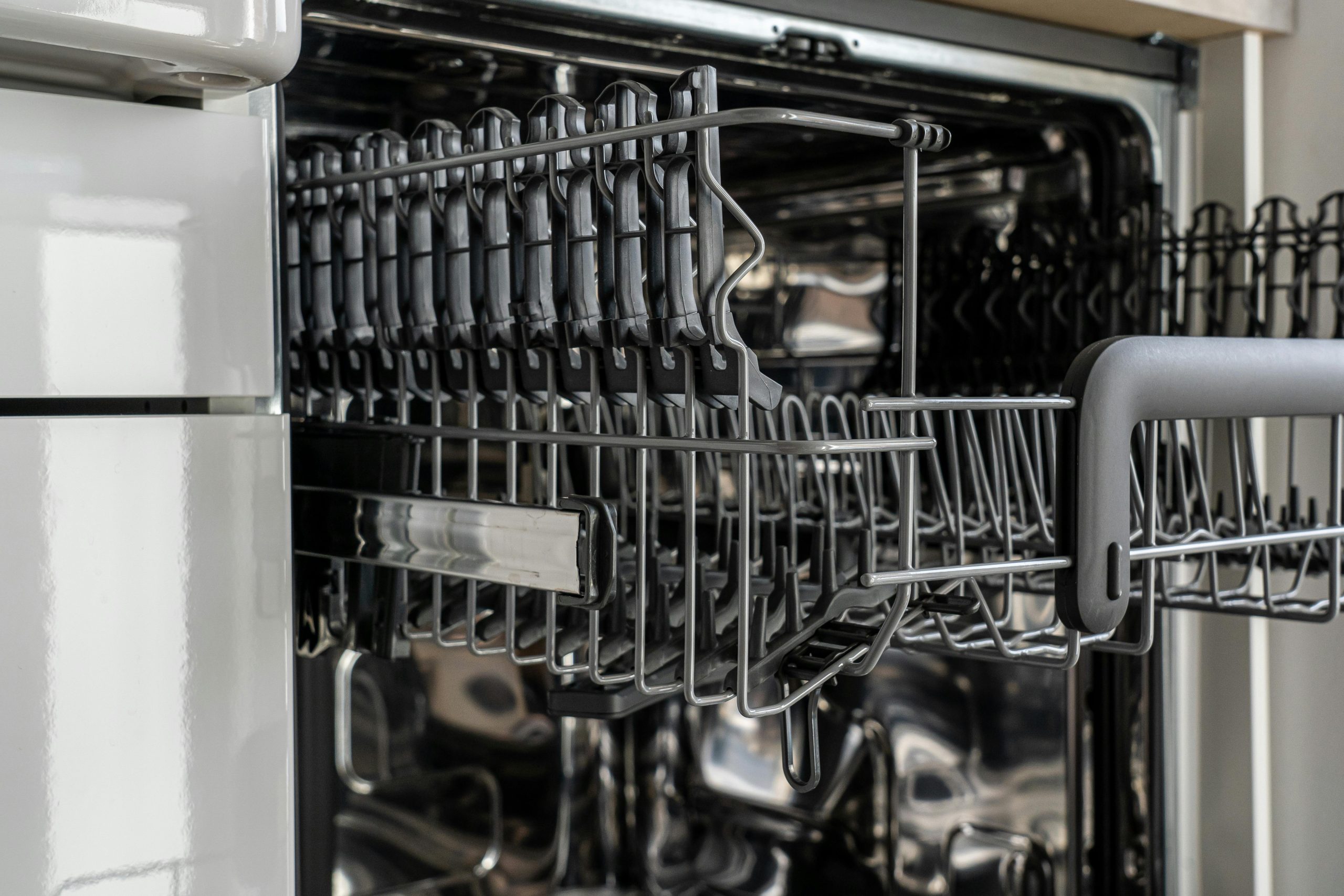
That sour dishwasher smell might not be “just old water.”A dishwasher that smells bad after a normal cycle may be giving a small warning long before it stops cleaning well. Food bits, grease film, hard water residue and damp buildup can accumulate near the filter, spray arms, door gasket or drain area. In a typical American kitchen this is often missed, because the inside looks shiny from a distance. If the smell returns soon after you run a load, the problem may be trapped debris, not dirty dishes. A quick filter check, a wipe of the gasket and leaving the door slightly open after use can often help cut down on stale moisture before the smell starts permeating the kitchen.
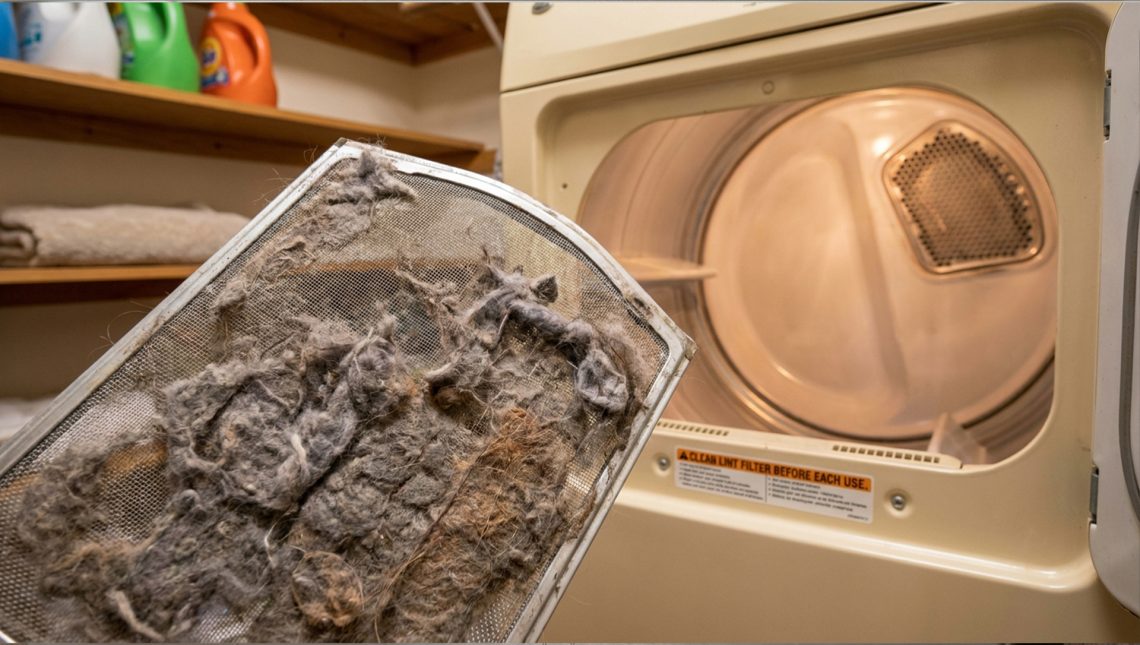
Dryer Heat That Feels Stronger Than Usual
A dryer that feels too hot is not necessarily “working harder”Unusual dryer heat around the laundry room can be easy to shrug off – especially when clothes still come out dry. But if you feel extra heat around the door, top panel, laundry area or clothes themselves, that could mean airflow is being restricted. If the lint trap is full, the vent hose is crushed, or the outside vent is blocked, the dryer will run hotter and longer than it should. In many U.S. homes, the outside vent is located near a driveway, side yard or garage wall and seldom gets looked at. If the drying time is longer, or the laundry room is unusually warm, it is worth cleaning the lint areas and checking if air is actually moving outside
Fridge Noises That Suddenly Sound Different.
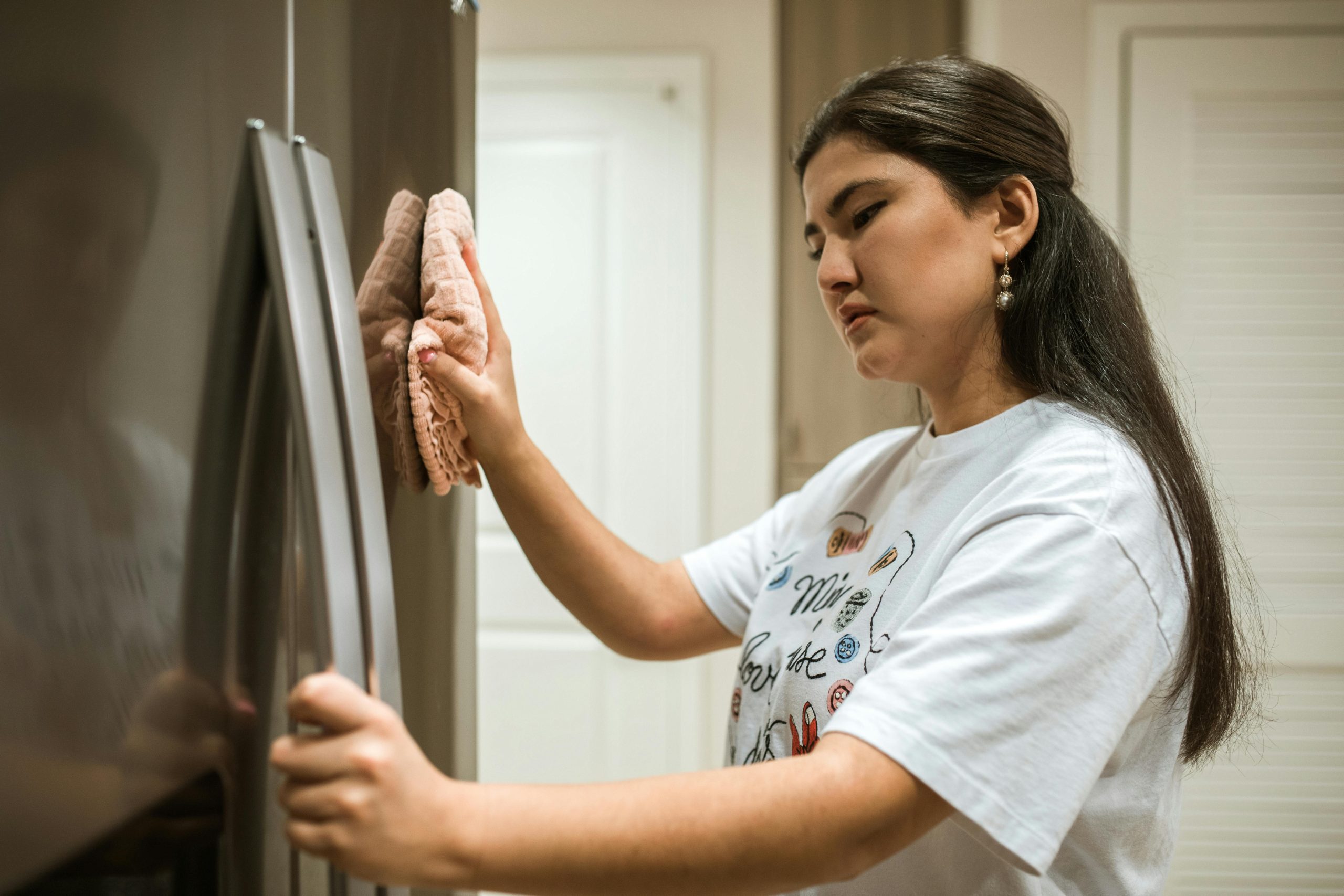
That new refrigerator hum could be more than background noise.A refrigerator is never silent, but a change in the noise level can be something to pay attention to. The compressor area around the vents , and coils in the fan area , can cause a buzzing , rattling , clicking or a louder than normal hum if loose items or dust build up . The average American kitchen has the fridge shoved against the wall, or hemmed in by cabinets, or stuffed to the gills after a grocery run. That can make air flow less forgiving. If the sound is associated with warmer areas of the fridge, frost changes or longer running cycles, the appliance may be requesting a cleaning, spacing adjustment or service check before food storage becomes unreliable.
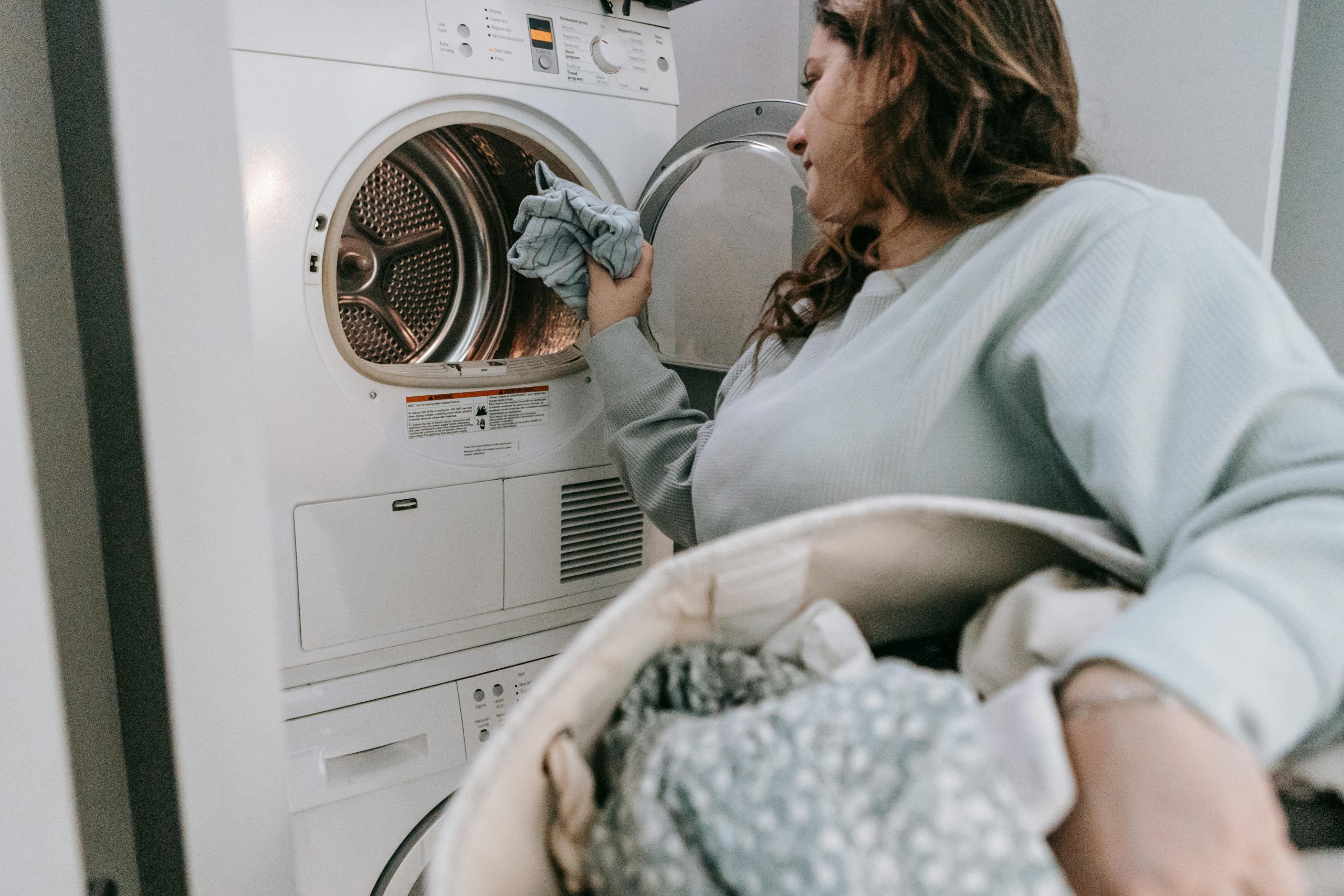
Washer Wobble That Starts Getting Worse
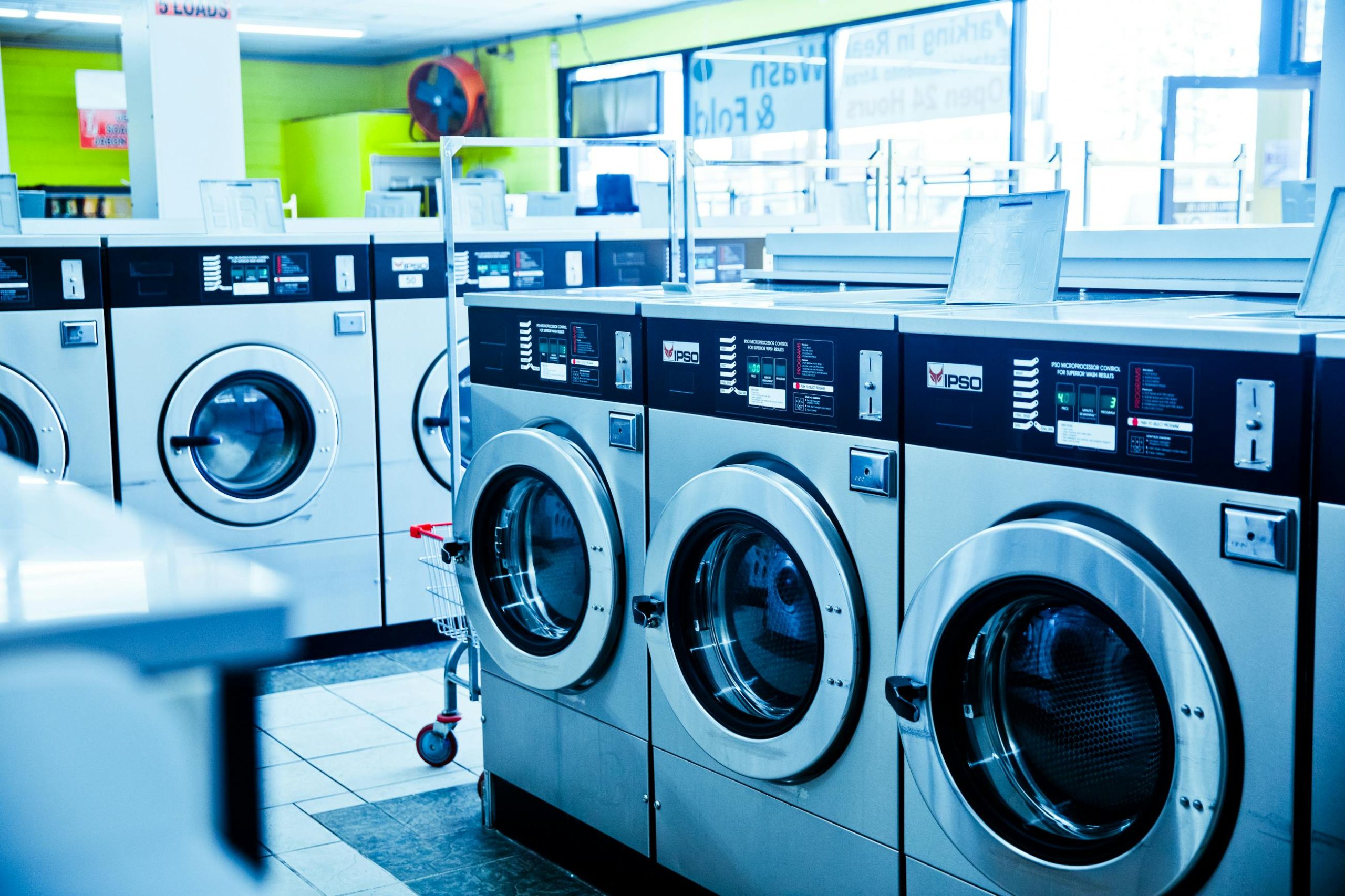
A washer that walks across the floor is not dramatic.A washer’s wobble often begins small—a louder spin cycle, a machine that creeps forward, or a banging sound during heavy loads. In many U.S. laundry rooms, especially in older homes, basements, garages and rental apartments, uneven floors or unbalanced loads can cause the machine to shake more than you would expect. Large towels, comforters and mixed heavy items can throw the drum out of balance. If the wobble gets worse it could stress hoses, nearby cabinets, or internal parts over time. By levelling the washer, checking the feet, using balanced loads and watching for hose strain, you can catch the problem before it becomes a bigger laundry-room headache.
Oven Hot Spots That Burn One Side First

If one side always burns first, the oven might be giving a clue.In a typical American kitchen it’s easy to blame the recipe, the pan or the cooking time for hot spots in the oven. But if you find that cookies, frozen pizza, casseroles, or toast consistently brown unevenly in the same spot, the oven likely has airflow, calibration, rack-position, or heating-element performance issues. Older ovens may not hold their set temperature and crowded racks may block air circulation. The clue is pattern: the same corner gets cooked faster and faster. Rotating pans may help temporarily, but repeated uneven results may mean it is time to check the gasket, avoid overcrowding, use an oven thermometer or have the heating system inspected.
Small Leaks Under Appliances.
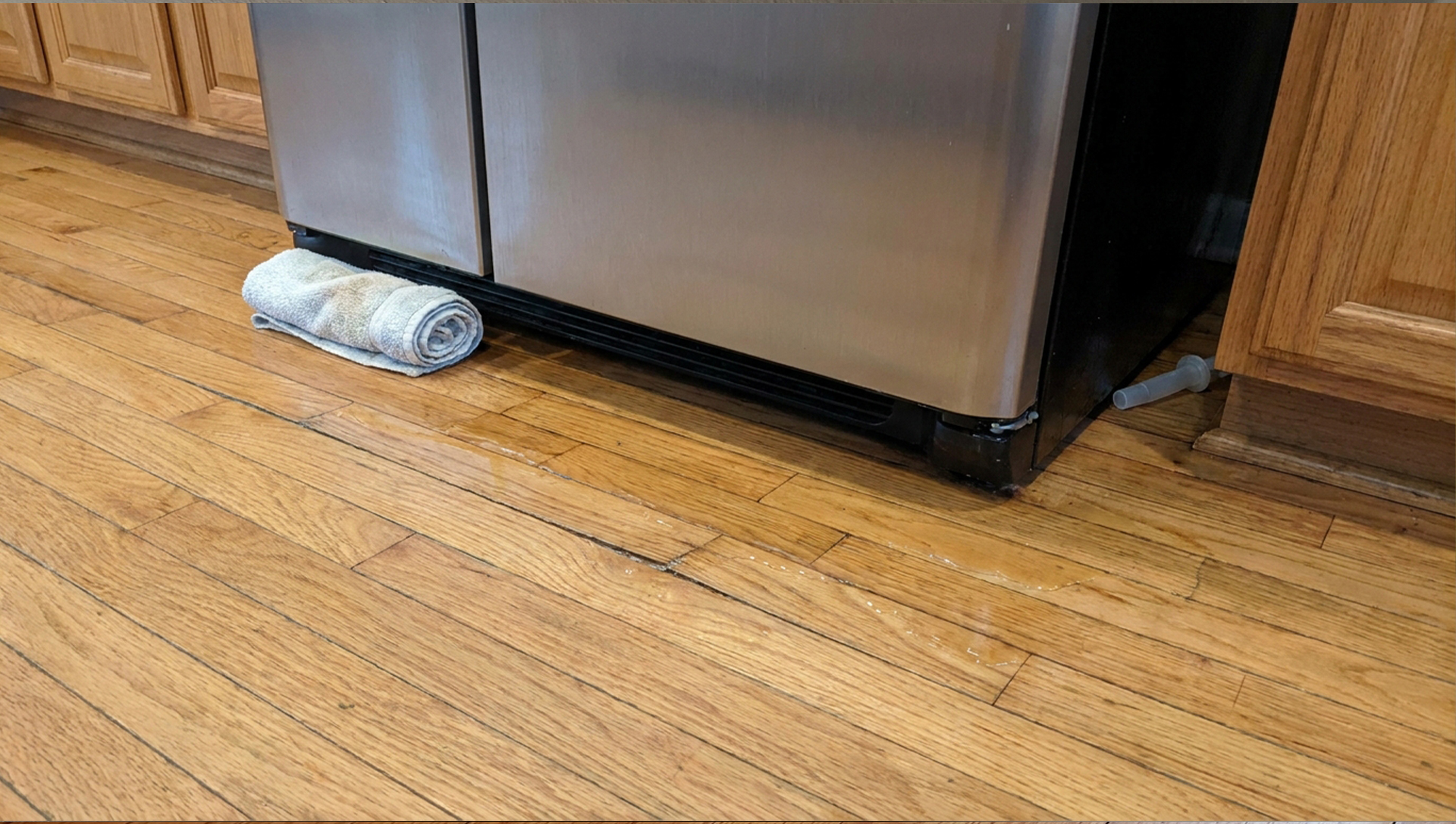
A small puddle underneath an appliance should not be the norm.Small leaks can be hard to find because they can take place after a cycle, during ice making or when the appliance is moved a little. Many U.S. homeowners first notice a damp towel, a warped edge to the floor or a tiny spot near the base before finding the source. Dishwashers, washing machines, refrigerators with water lines, and even the drains in freezers can all cause slow moisture problems. A leak that disappears and comes back is still a clue. Checking hose connections, door seals, drain areas and the area around the appliance can help catch water issues before they impact cabinets, baseboards, flooring or the room below
Appliances That Run Longer Than They Used To
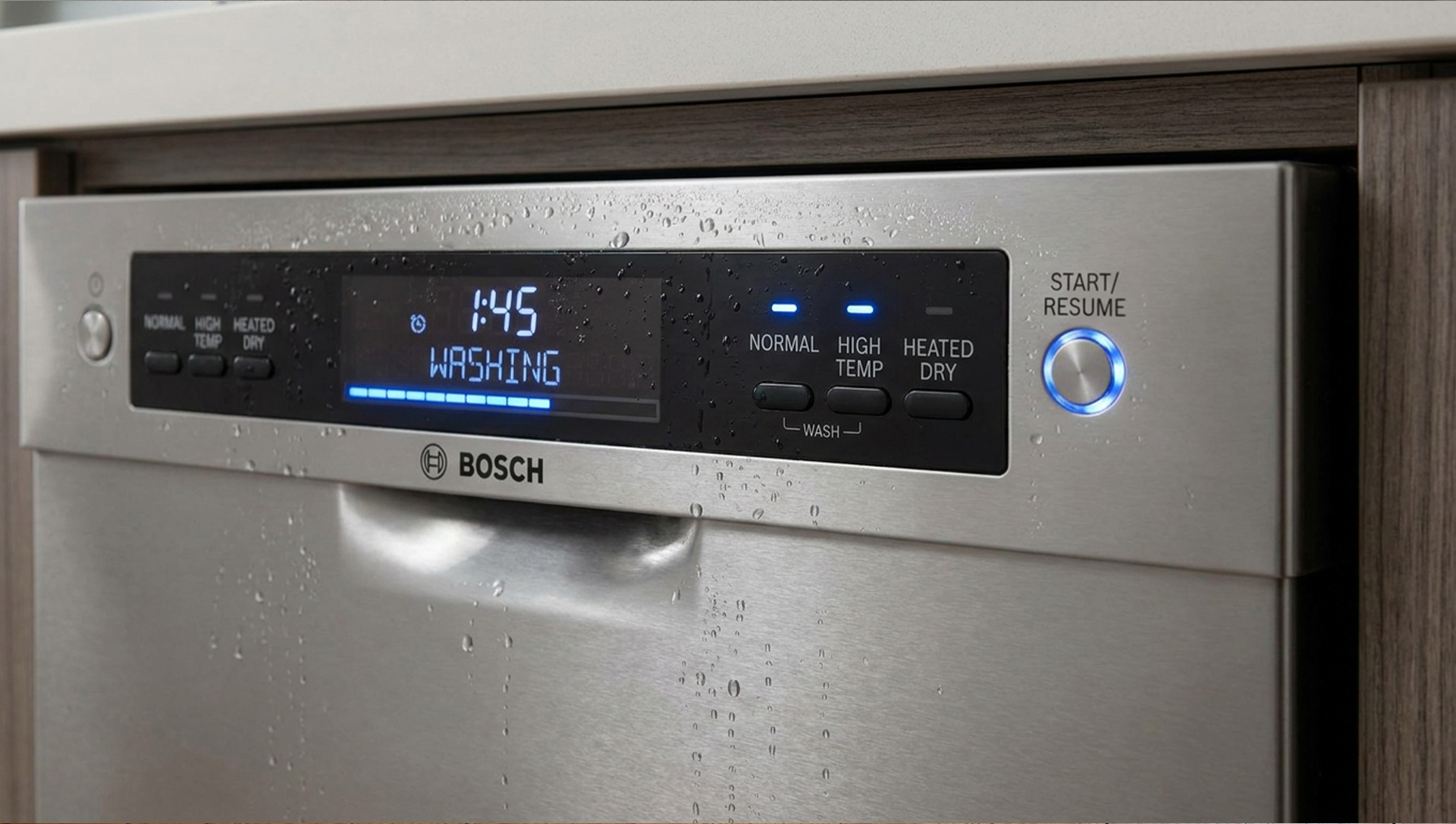
it might be working around a hidden problem.A dryer that needs two cycles, a dishwasher that leaves dishes damp, a fridge that seems to run all evening, or a washer that extends cycles longer than usual might be giving a subtle warning. In the average U.S. home, this tends to be overlooked because the appliance eventually gets the job done. But longer run times might mean it’s working harder to compensate for lint, poor airflow, dirty filters, heavy loads, overpacking, mineral buildup or temperature issues. It’s not just annoyance, either. It can equal more energy use, more wear, and more time wasted. We need to address a pattern that keeps getting worse before it becomes the new normal.
Flickering, Tripping, or Burning Smells Near Appliances.
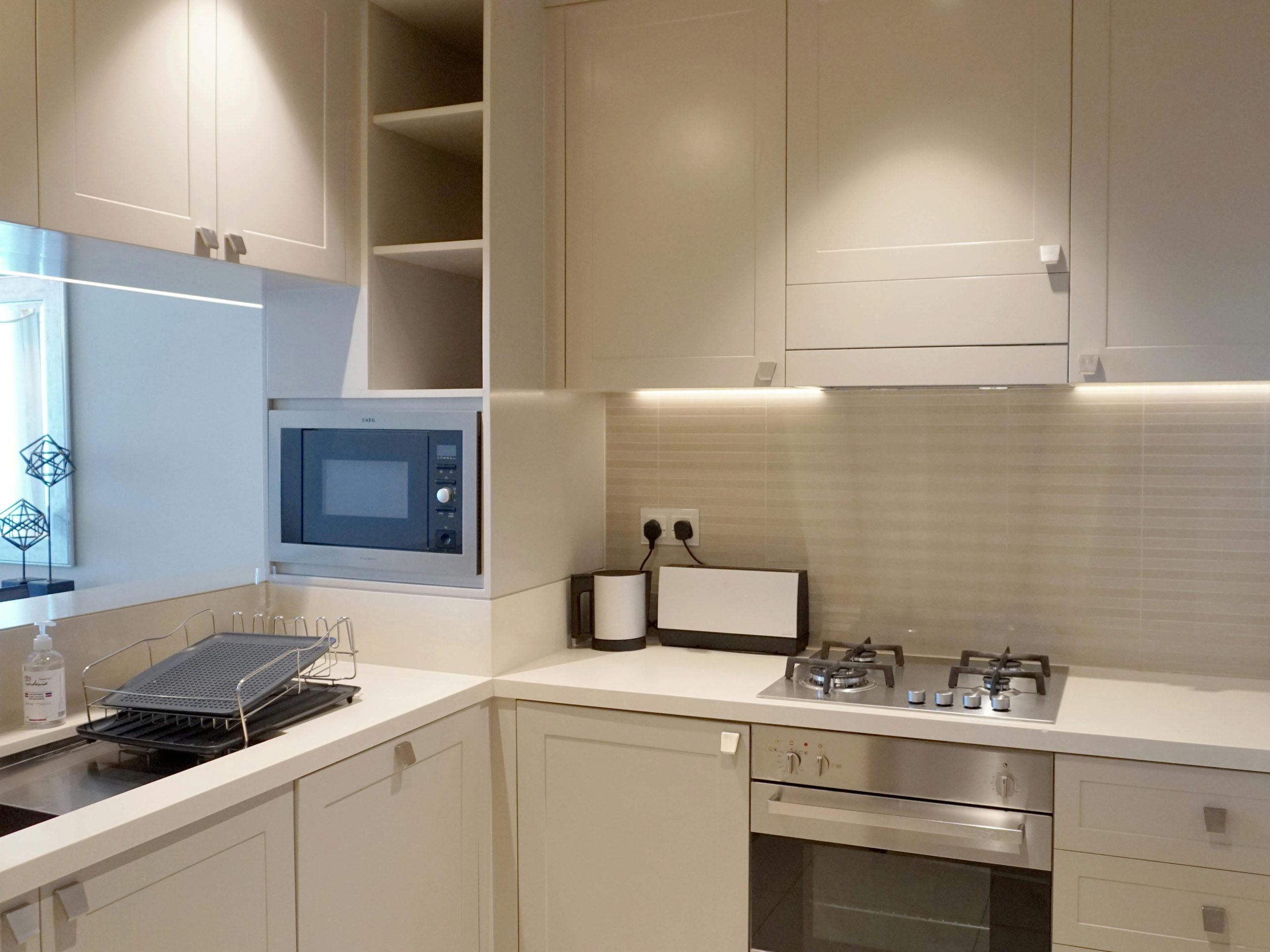
If you smell something burning from an appliance, it is not the normal “new heat” smell. Not all appliance warnings relate to cleaning or performance. They’re about power. “Be careful if a microwave, dryer, fridge, washer or oven is paired with flickering lights, a warm outlet, a buzzing plug, frequent breaker trips or a faint burning smell. Older homes and rental apartments may have appliances on a circuit with other heavy loads, extension cords or ageing outlets. Don’t try to cover up the odour with air freshener or keep resetting a breaker without knowing why it keeps tripping. If it’s safe to do so, it may be smarter to unplug and call a qualified professional before this problem gets out of control.