A dryer that suddenly needs a second cycle can seem like a minor laundry annoyance, but in many U.S. homes it can be a sign of hidden airflow problems, lint buildup, overloaded loads, trapped humidity or parts people rarely check. Here’s the tricky part: The dryer may seem hot to the touch, the lint screen may appear clean, and the clothes may come out warm, but they won’t be totally dry. This gallery explains the little-discussed clues behind the “two-cycle dryer” problem, from fabric-softener film to bent vent hoses and outside flaps that barely move, so homeowners and renters can recognise the small signs before time, energy and repair costs mount.
Loads That Suddenly Need a Second Cycle.
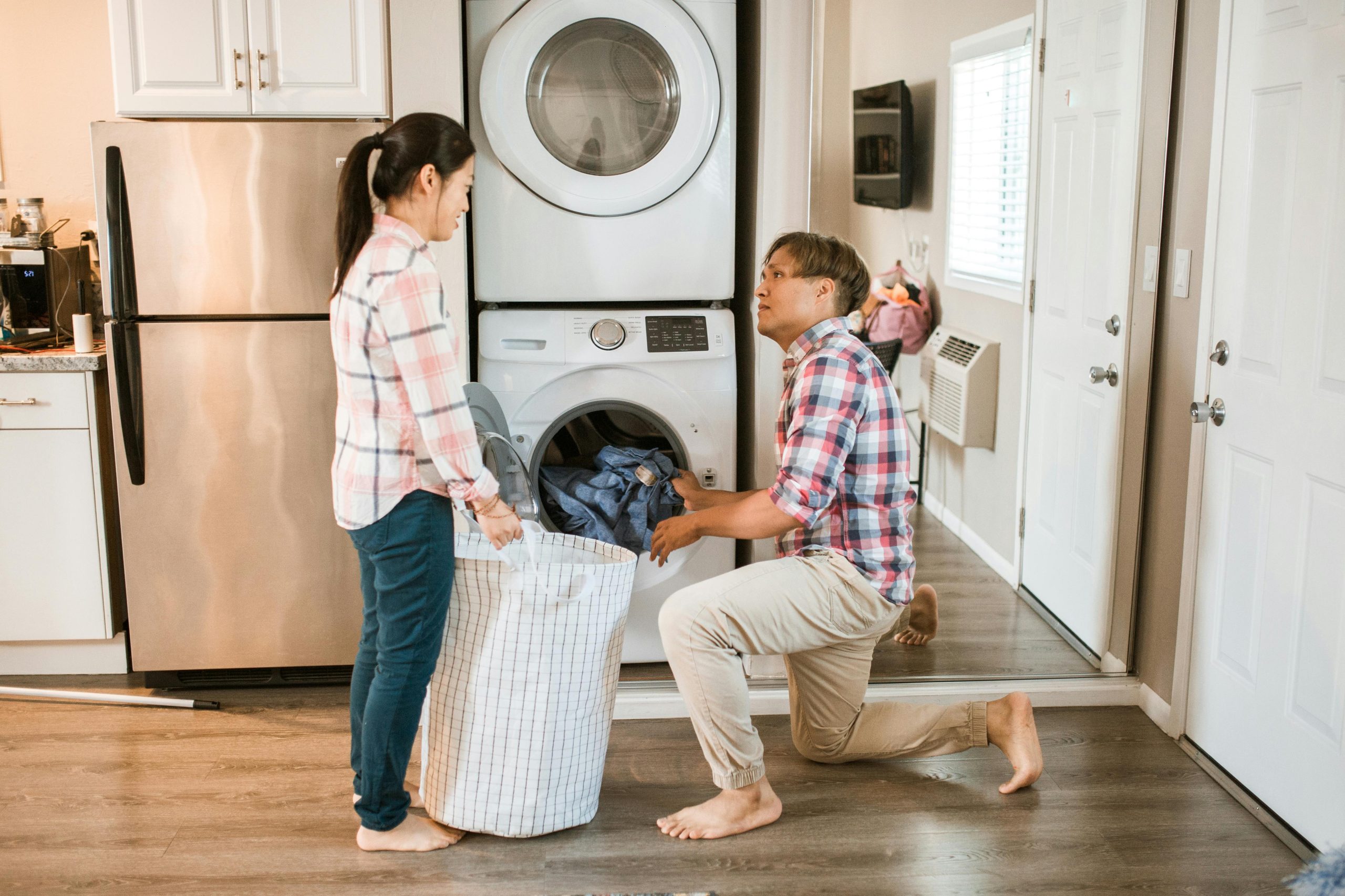
Second dryer cycle doesn’t always mean “bad luck”.For many U.S. laundry rooms, the first warning is simple: the same load that once dried now needs a second round. It can be caused by larger loads, heavier fabrics, ageing parts, or restricted airflow. The problem is the dryer can still get hot and the people will blame the clothes and not the route the air takes. If damp loads become the norm, the problem is worth seeing as a sign, not just an inconvenience. Longer drying times can waste energy, wear clothes faster, and point to lint or vent problems that should not be ignored.
Lint Screens That Look Clean but Don’t Flow Well
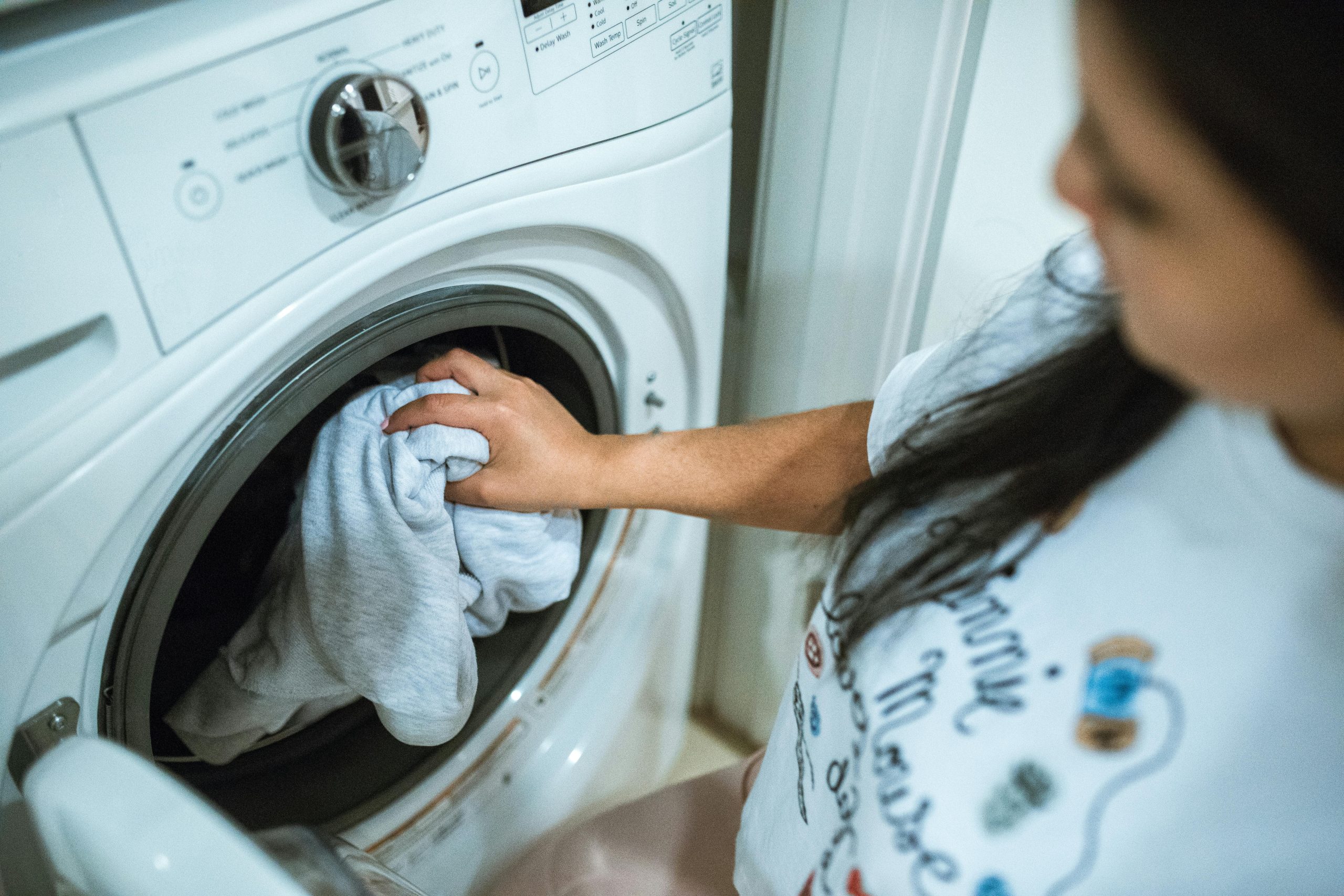
The lint screen will deceive you.A lint screen full of lint is obvious, but a screen that appears to be nearly clean can still be part of the two-cycle problem. Whirlpool says a blocked lint screen can extend drying time and should be cleaned after each use. This is the first easy checkpoint in a typical American laundry room, as it controls how well warm, moist air can escape. If your clothes are warm but wet, or you find lint in odd places around the door, the screen and vent path are worth a second look before you conclude the dryer itself is dying.
Fabric-Softener Film on the Lint Screen..
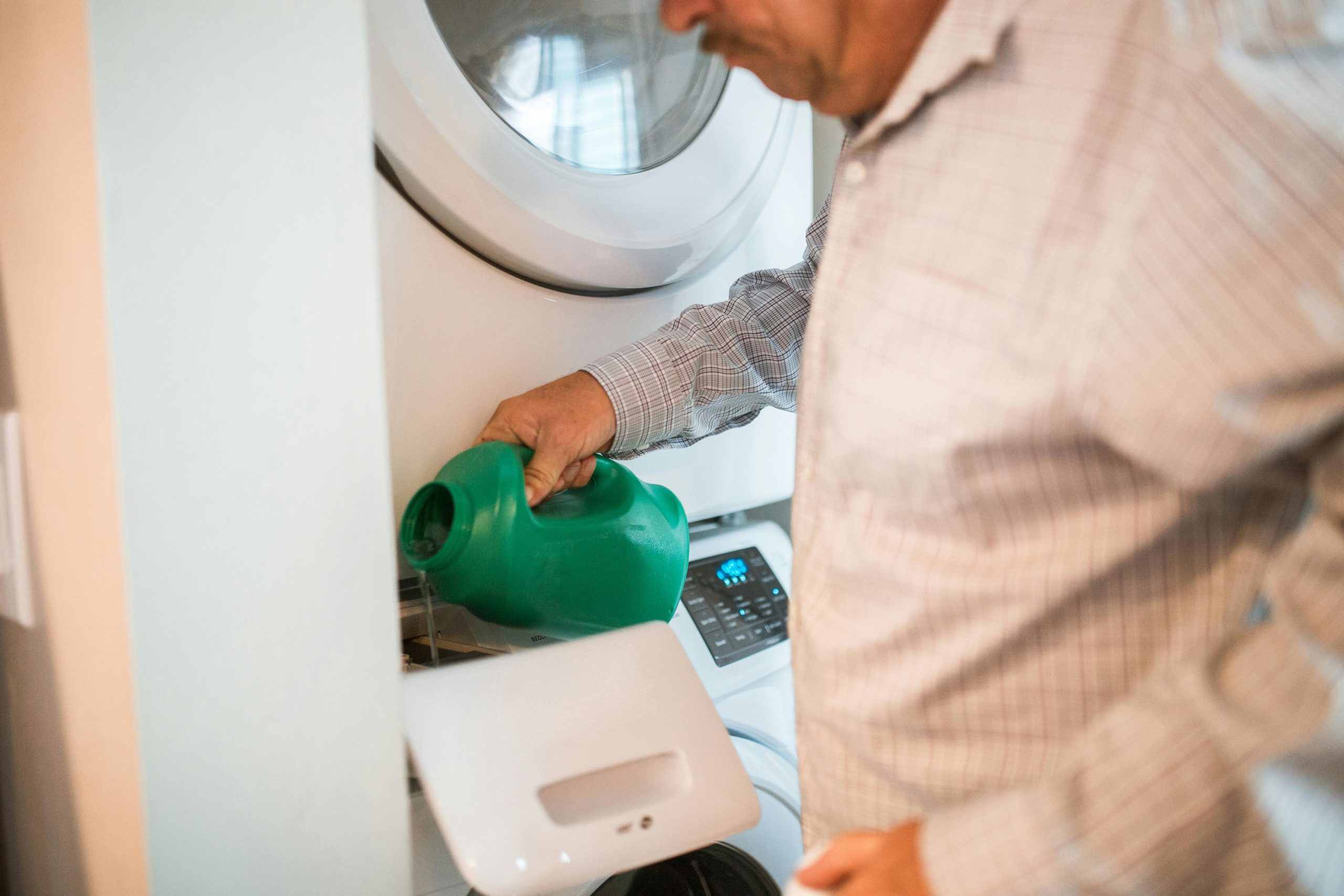
Dryer sheets may leave a clue you can’t see.This is a strong curiosity slide because the problem is almost invisible. Fabric softener buildup can coat the lint screen, which can reduce the mesh’s breathability even after the lint has been removed. In community repair circles we often check to see if water is coming through the screen. If water is beading or pooling, the airflow might be having a hard time too. Watch the wording here, residue can add to drying problems especially combined with other airflow restrictions. It’s a great “most people miss this” laundry room angle because the object looks clean until it’s put to the test up close.
Overloaded Drums That Never Dry Evenly
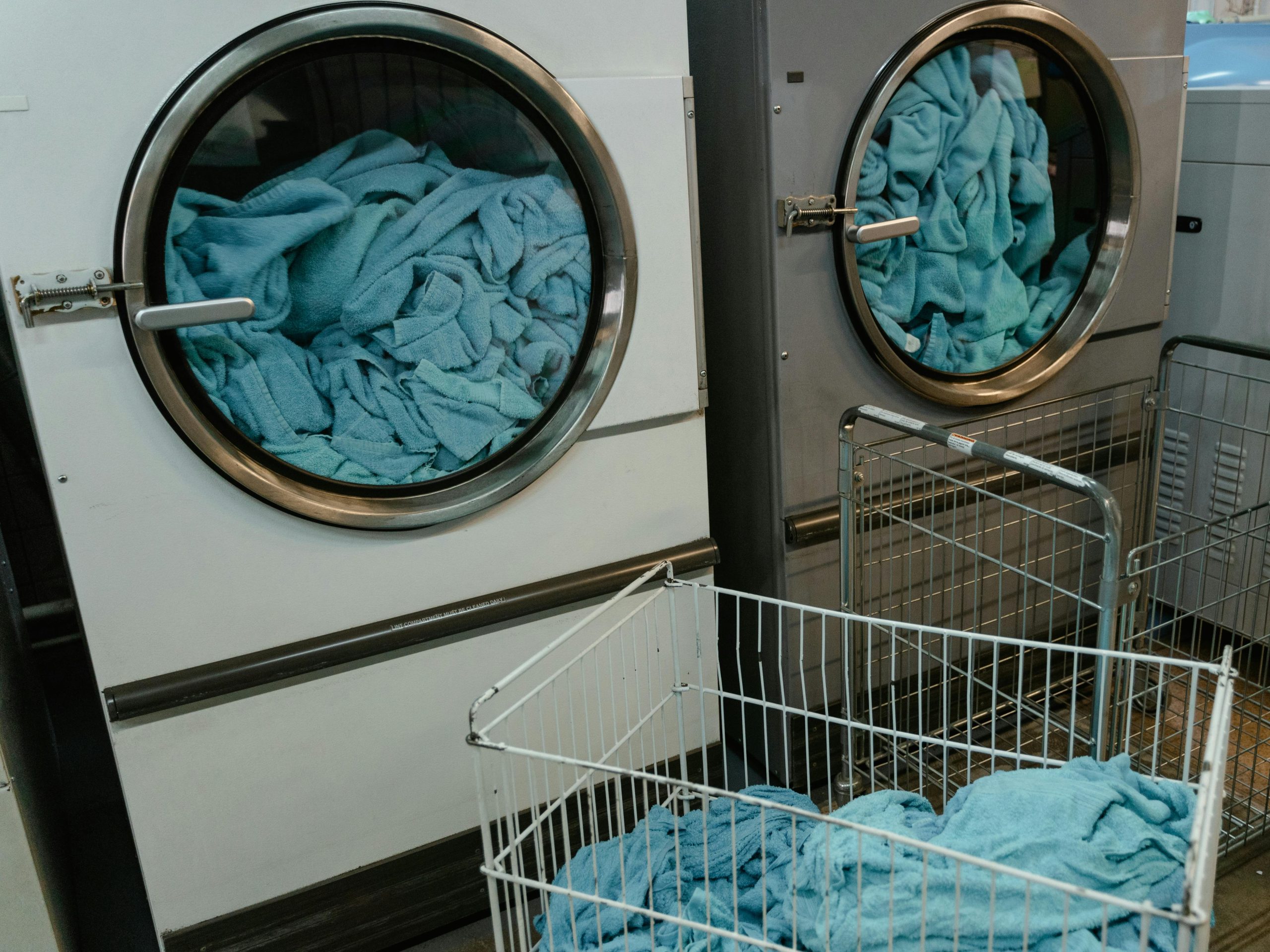
If your dryer is full, you might think that a cycle has gone wrong.Overloading is not just a “laundry tip”; it is a visual problem that readers immediately understand. Many Americans try to save time by stuffing a big load in the dryer, but a packed drum can prevent fabrics from tumbling freely, according to many U.S. homes. Lighter pieces dry first, heavy spots stay hidden inside the bundle. The result is confusing . The load is hot . Some items are dry . Towels , jeans or hoodie seams are still wet . This slide gives a nice payoff, without fearmongering: break up dense loads, keep fabrics in motion, and watch to see if one cycle starts working again
Dryer Vent Hoses Bending the Wrong Way.
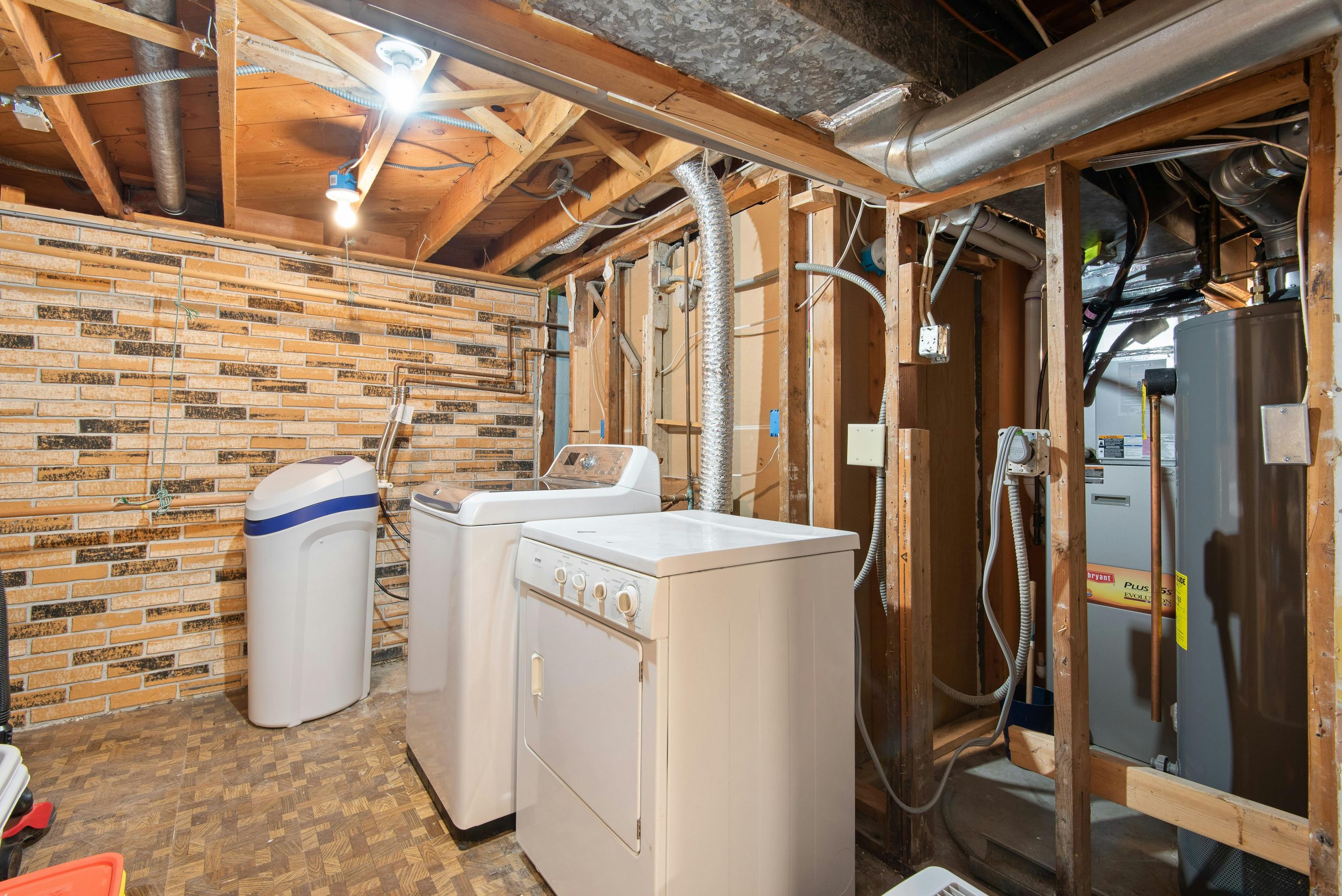
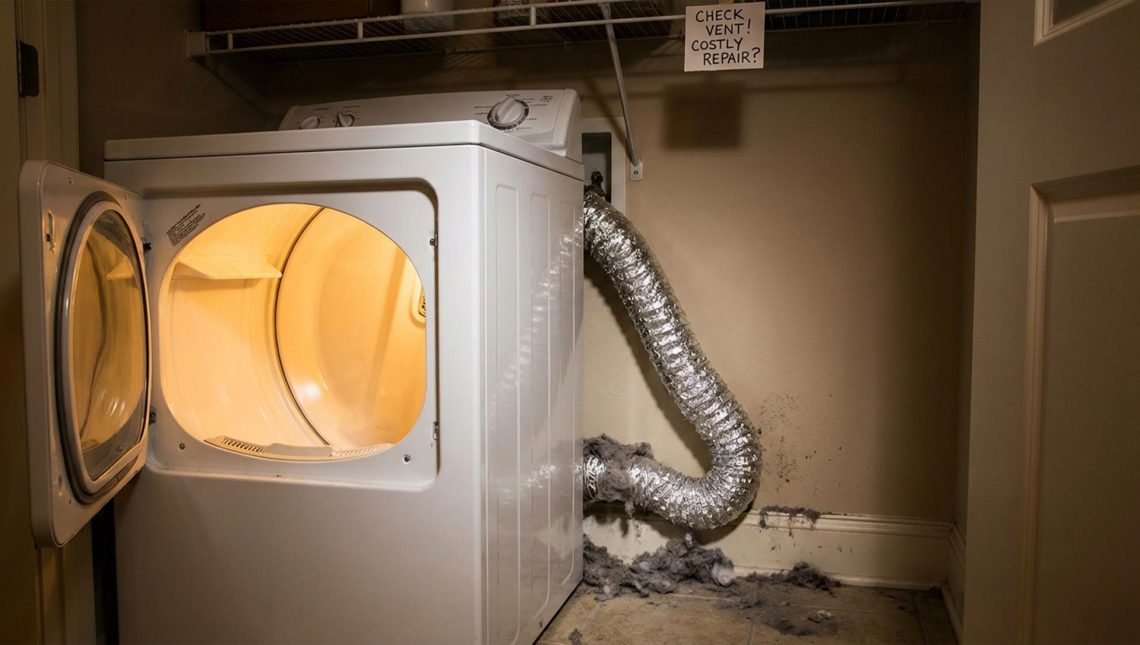
The problem may be behind the dryer, not in it.This gallery has one of the most visual “small start, bigger problem” moments: a bent vent hose. In tight laundry closets, apartments and older homes, the dryer may be pushed back until the vent hose folds or pinches. That can restrict the way moisture is able to escape. The building code recommends smooth metal ducts and proper venting because the rate of airflow affects drying time. This slide is not supposed to encourage risky repairs. Rather, it should be framing the clue: if the dryer suddenly takes two cycles, the hidden space behind it deserves a safe visual check.
Outside Vent Flaps That Barely Open.
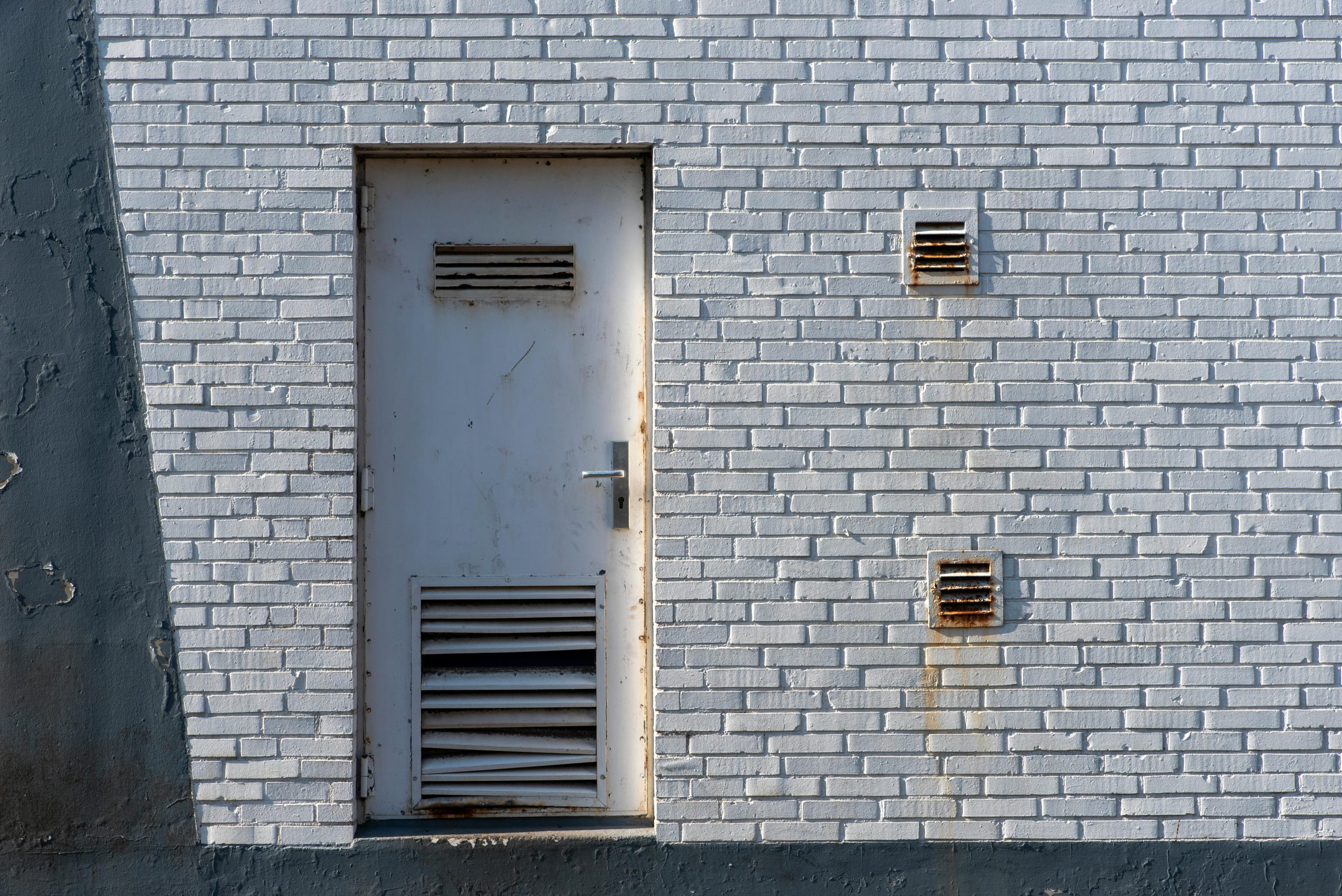
A small outside flap can quickly reveal a dryer problem.This is one of the better slides for MSN because the visual is simple. A flap on a vent that should move but doesn’t. “NFPA dryer safety recommends that the outdoor vent flap should open when the dryer is running, and the exhaust pipe should not be restricted. In many American homes that vent is in siding, brick, near a patio or behind shrubs, so people seldom check it. Don’t panic, but be aware that if the drying time increases and the outer flap opens only a little, the system may be slowed by lint, a blockage, or a stuck cover.
Heavy Towels Mixed With Lighter Clothing.
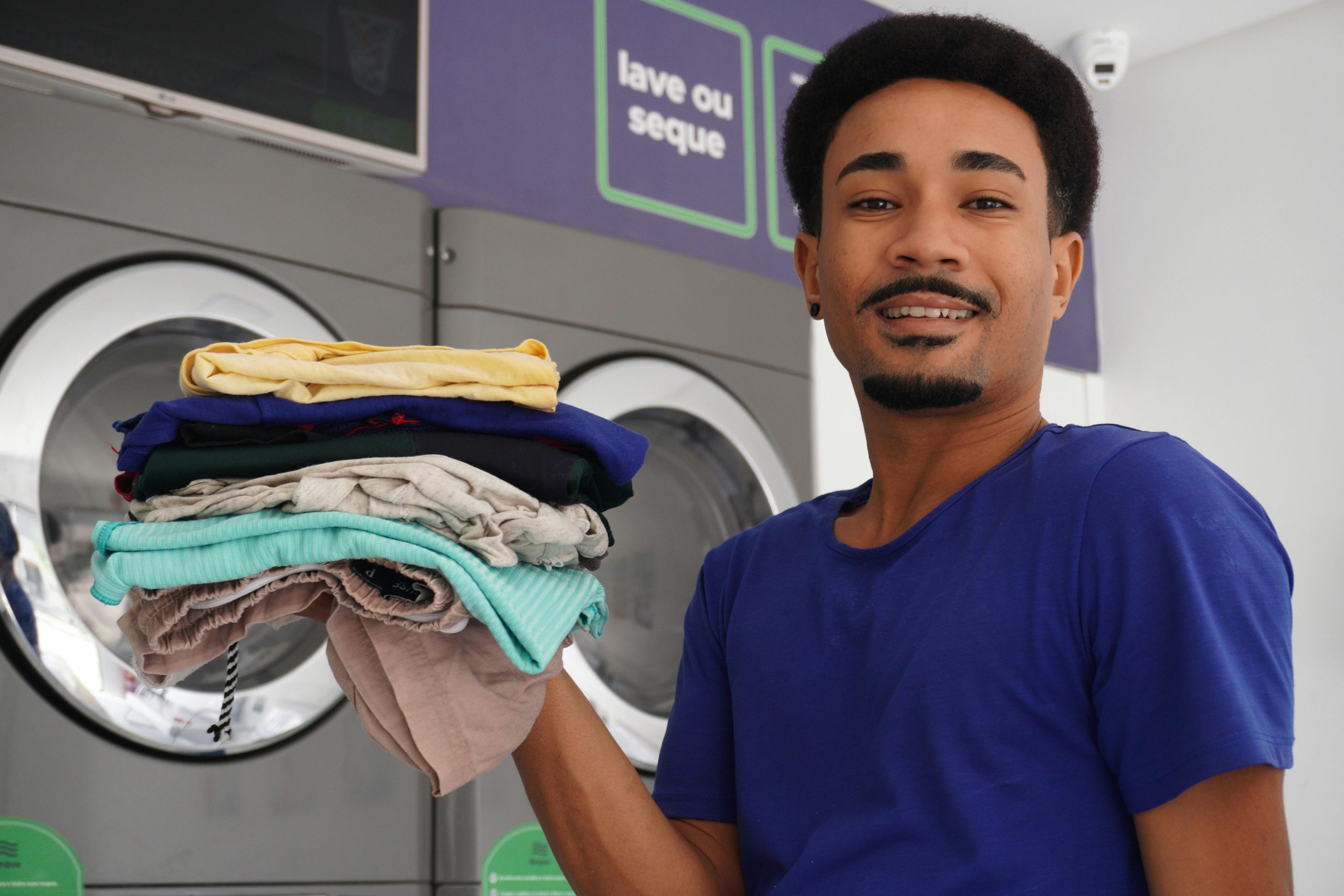
A bad mix can make a dryer appear weaker than it really is.This slide breaks up the vent warnings so the gallery isn’t just vent warnings. Lightweight shirts in U.S. bathrooms and laundry rooms often hang out with big towels, jeans, hoodies and blankets. The little bits can dry fast, but folds and seams of the towel remain wet. That can fool people into tacking on a whole extra cycle for everything, even if only a few heavy items take longer. The pay-off is practical: separate dense fabrics whenever possible, shake out twisted towels and see whether the “two-cycle dryer” problem is confined to specific mixed loads.
Laundry Room Humidity That Stays Trapped.
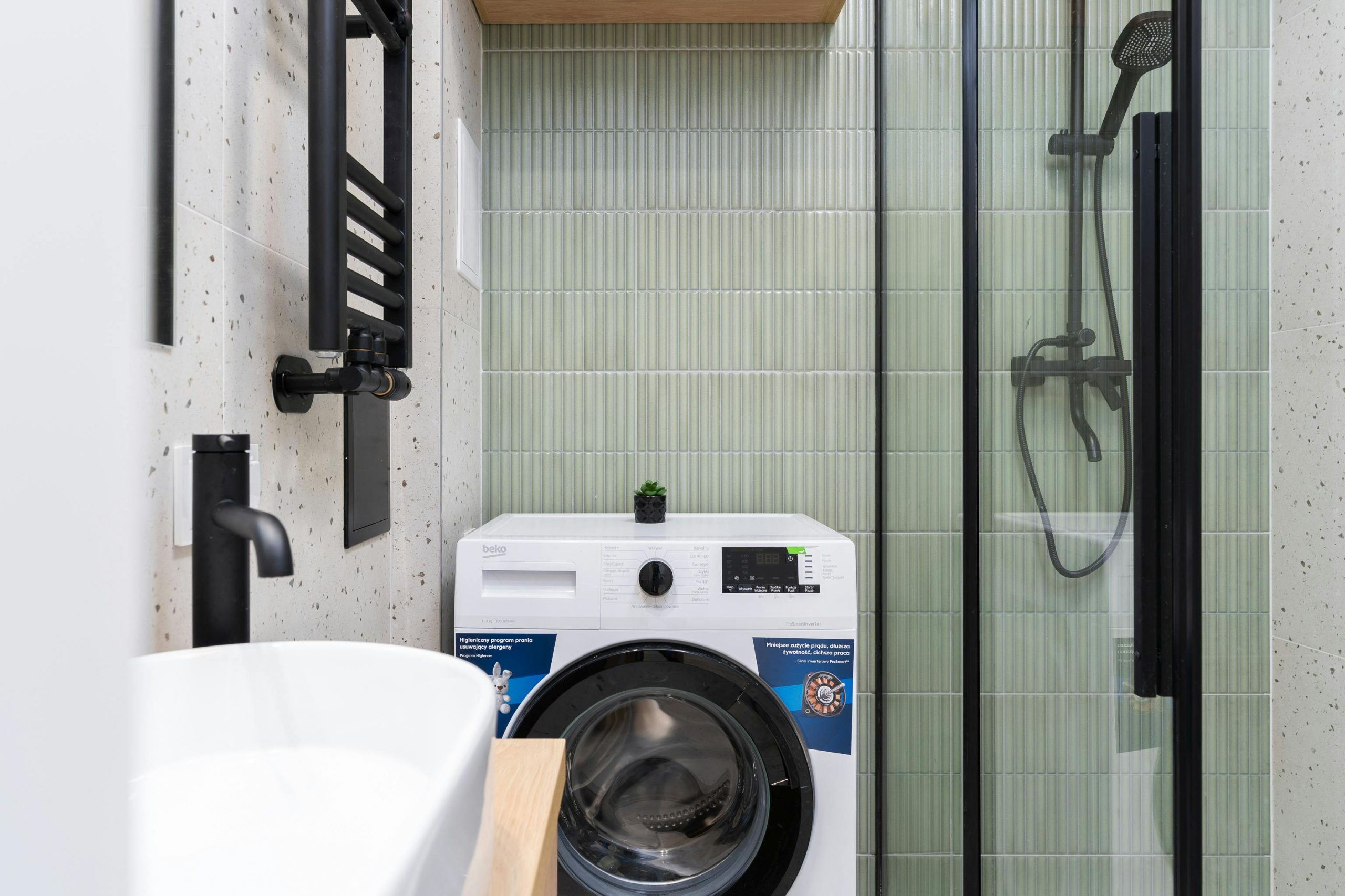
A humid laundry room can work against the dryer.Humidity is a U.S.-native seasonal twist, especially for apartments, Florida homes, Gulf states, basements and small laundry closets. If the room feels steamy or the dryer door looks wet from condensation, moisture may not be exiting as cleanly as it should. Building guidance warns against dumping unwanted moisture by venting dryer exhaust indoors. Beware: Humidity may not be the only culprit, but trapped moisture can make drying seem slower, and it can point back to venting, room airflow, or a door that remains closed during heavy laundry days.
Clothes Coming Out Warm but Still Damp.
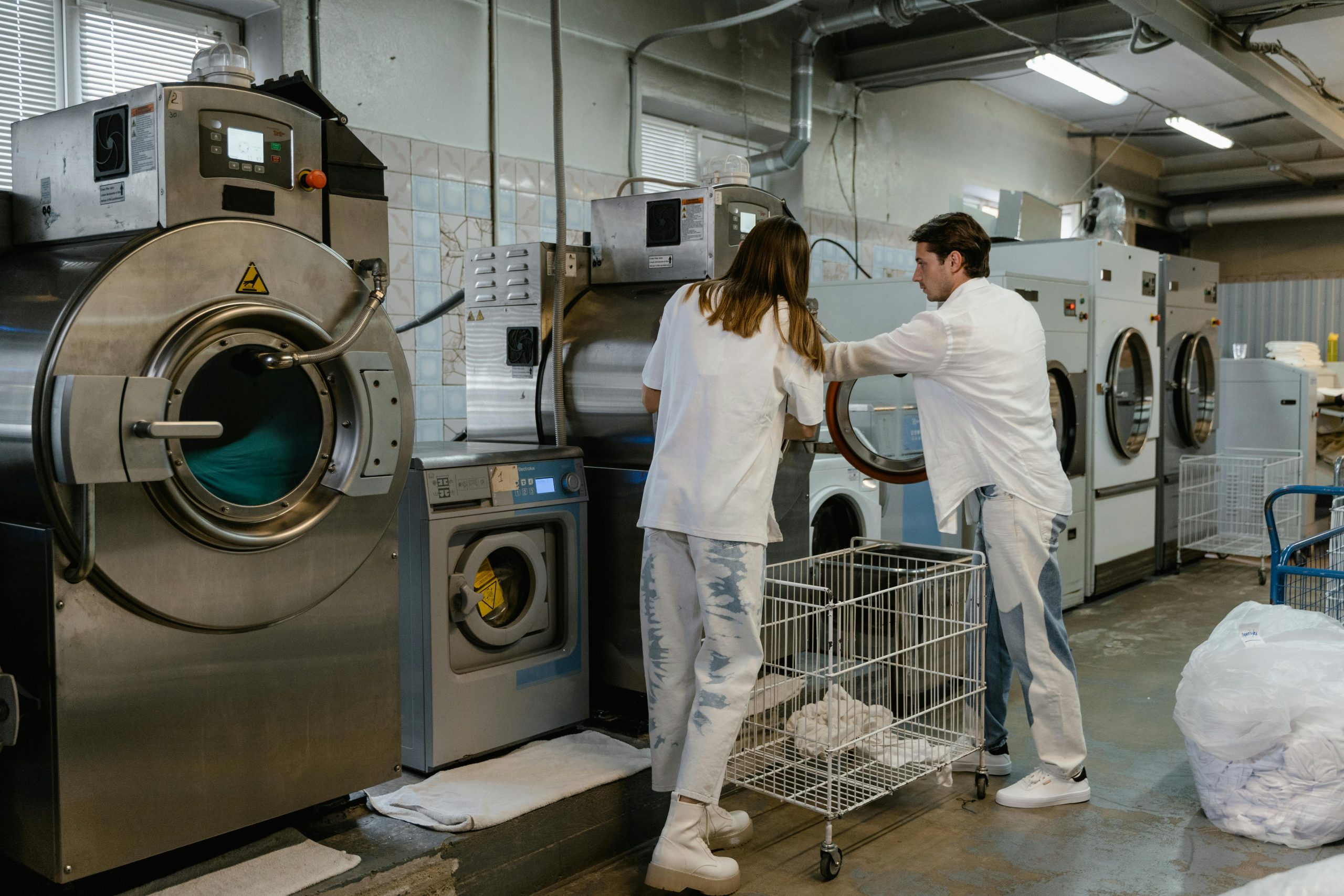
A warning clue may still be warm clothing.This is the “I’ve had this happen” emotional slide. A lot of people think that warmth means the dryer is working but drying requires heat and air flow. If the clothes are warm but still damp, the machine may be creating heat but not moving moist air out well. Some signs of a blocked or restricted vent are long dry times, moisture or steam inside, and unusual lint behaviour, Whirlpool notes. The useful message is simple: don’t judge the dryer only by heat. Determine if the moisture is actually leaving by the end of the cycle.
Small Airflow Issues People Miss Until Bills Climb.
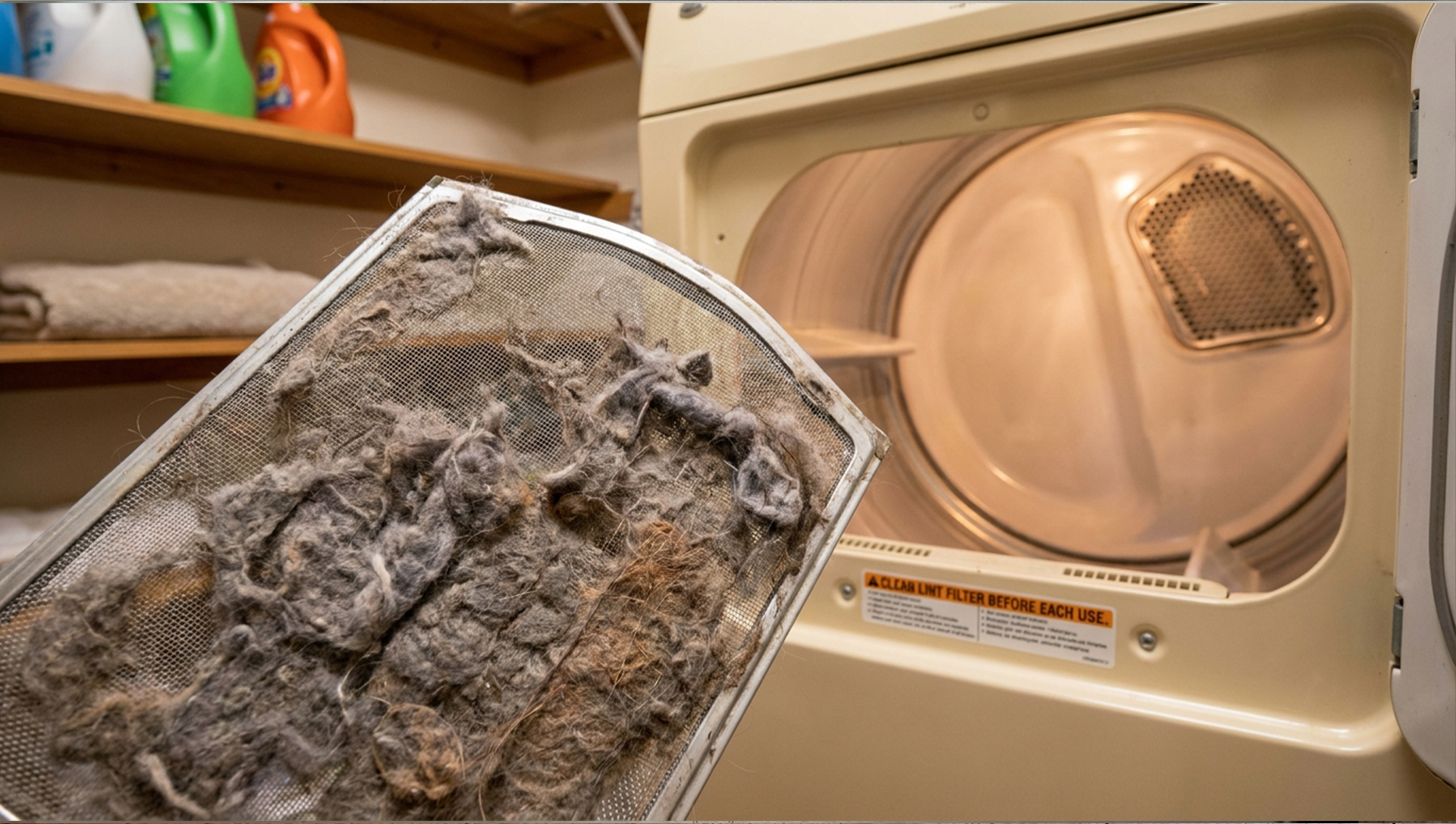
The second cycle can become the expensive cycle rather quietly.This closer gives the gallery its money + warning payoff. A dryer that runs for two cycles every time wastes more than minutes; it may be using more energy, adding wear to fabrics and indicating deferred maintenance. Recent home-maintenance coverage notes that clogged vents can lower efficiency, increase energy use, and create safety concerns when lint builds up. Make this slide practical, not scary: clean the lint screen, check the outside flap, look for crushed ducting and consider professional help for long or hard-to-reach vent runs