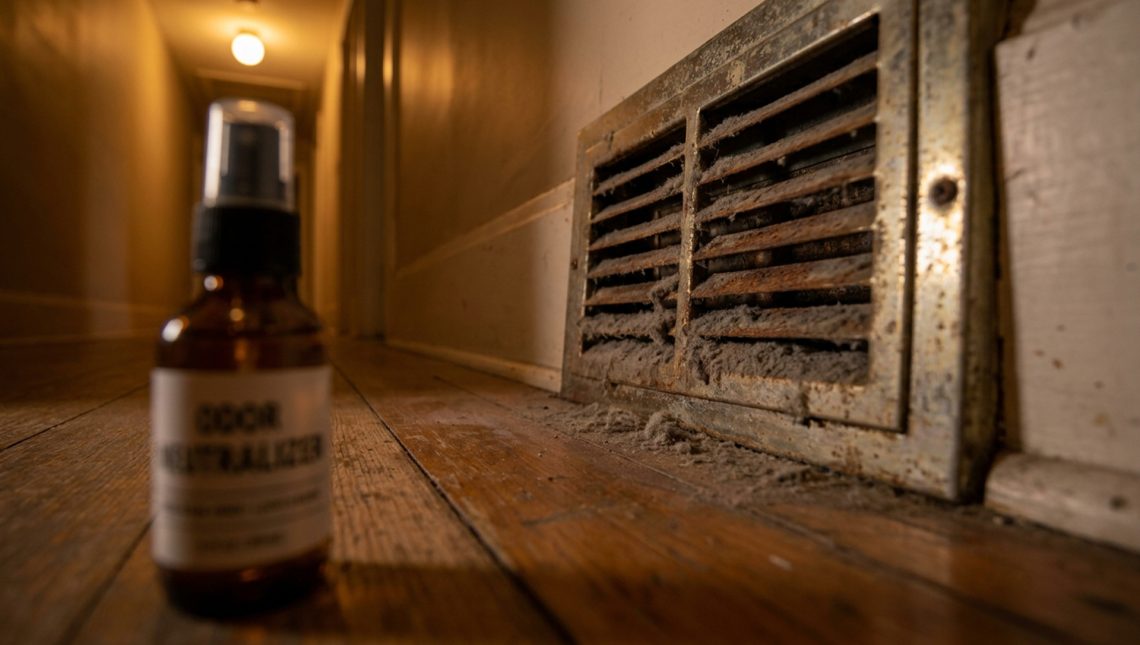
Some home smells disappear after dinner, laundry day or trash day. Others can be quiet clues for something needing attention. In many U.S. homes, a musty basement, a sour sink, a stale HVAC smell, a smoky dryer smell or a trash-area funk may not be a disaster, but it can be a useful early clue. The problem is that people will often spray air freshener, light a candle, or open a window without identifying the source. This gallery discusses common household smells that may need a closer look before they turn into repair bills, lingering odours, moisture problems or bigger cleaning jobs. Each slide is about a real smell in an American home and what it may be trying to tell you.
The Musty Basement Smell People Get Used To
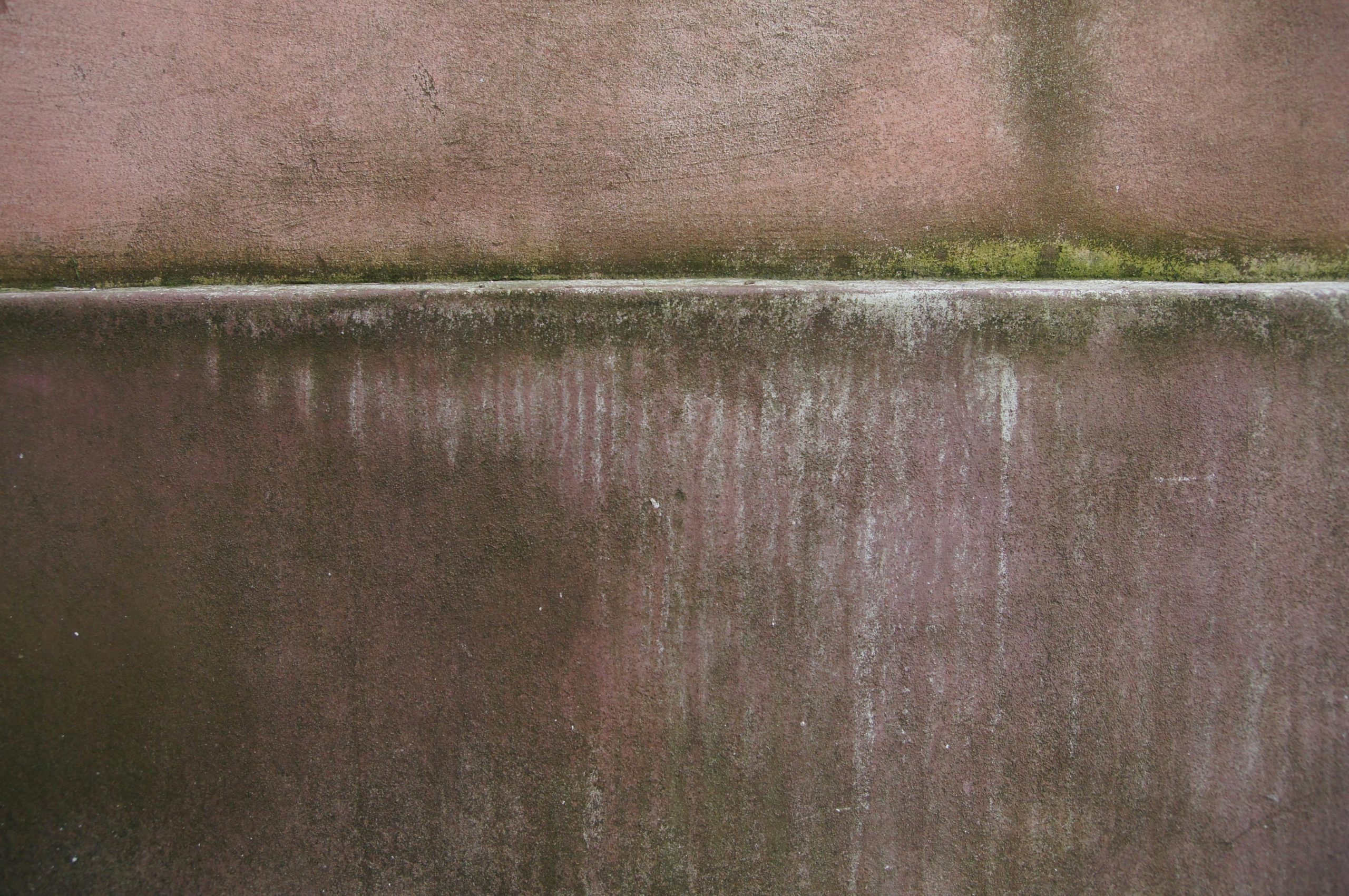
A musty basement smell is one of the first signs that something is holding moisture.That stale smell in the basement may be an older American home reacting to trapped moisture, poor air circulation, damp cardboard or small leaks around walls and floors. It doesn’t always mean a major repair, but ignoring it can cause odours to settle into storage bins, holiday boxes, rugs and furniture. In many homes the smell can even get stronger after rain, snowmelt or humid summer days which can help narrow the source. Check around baseboards, sump areas, window wells and stored paper goods for clues. The error is to deal with it only by means of air freshener, and to conceal the damp material.
The Sour Sink Smell After Dishes Are Done
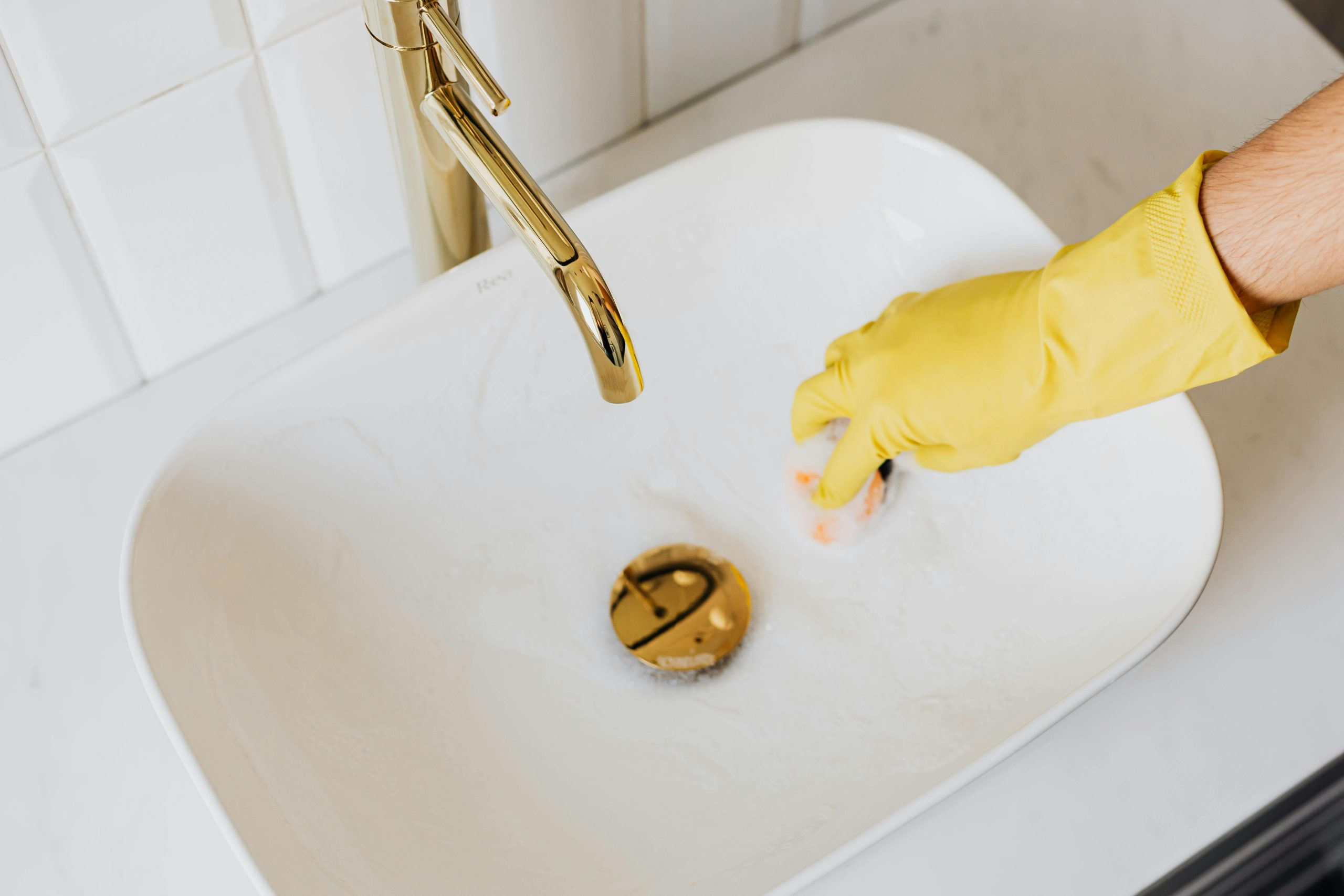
A sour smell near the washbasin can quickly turn a clean kitchen into a dirty one.It’s a common problem in American kitchens: a sour sink smell caused by food scraps lodged in the drain, a build-up inside a garbage disposal, a damp sponge or residue under the sink strainer. It can be confusing because the counters can be wiped and they can be gone and the dishes can be gone but the smell still comes back. This is typical after pasta, dairy, grease or coffee grounds or tiny bits of produce sit wet too long. But the smart thing to do is check the drain area, disposal splash guard, sponge and under-sink cabinet before you assume the whole kitchen needs a deep cleaning. The smell is usually a small clue of a very specific place.
The Burning Dryer Smell That Should Not Be Ignored
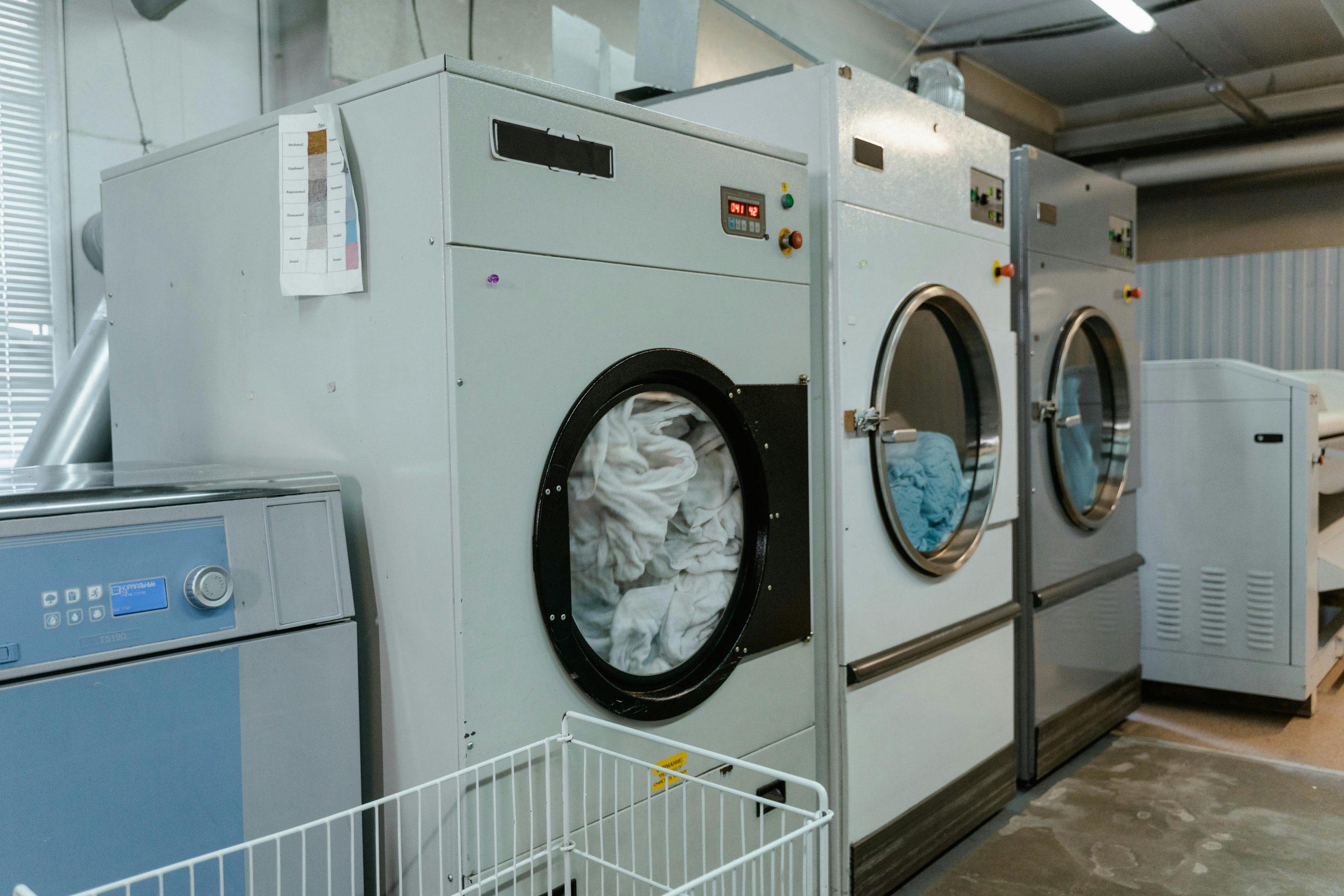
One smell that homeowners should take seriously is a burning smell near the dryer.A hot or burning smell around the laundry room may indicate lint buildup, blocked airflow, overheated fabric or debris near the machine. That doesn’t mean you panic every time, but it’s not the kind of smell you mask with a candle or ignore until the next load. Many U.S. homes clean the lint trap but neglect to clean the vent hose, outside vent flap or space behind the dryer. lint can trap itself and make the machine work harder, leaving clothes smelling oddly warm or smoky. If it smells while you are using it, it’s smarter to stop the cycle and check visible lint areas than to push through one more load.
The Stale HVAC Smell When the Air Kicks On
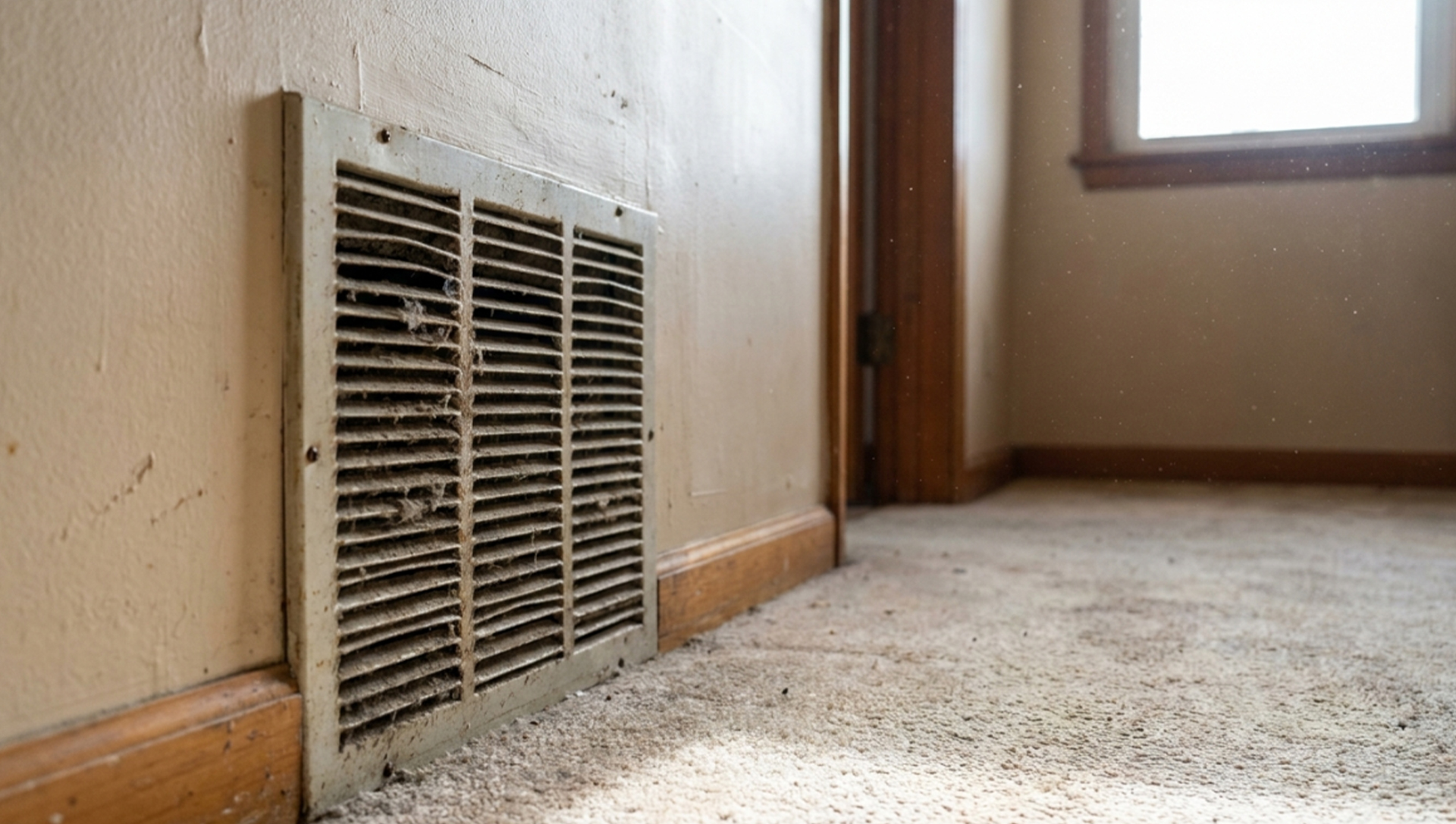
If the whole house smells stale when the air comes on, the vents may give a clue.Dirty filters, dusty vents, closed rooms, pet hair, or moisture inside some parts of the system can cause stale HVAC air in many homes in the US. This is probably most noticeable when the heat or AC first comes on after sitting unused. The hard part is that people often blame the couch, carpet or overall “house smell” when the smell could be coming through the air pathway. Even after you’ve cleaned, a dusty return vent, clogged filter or blocked register can make rooms feel less fresh. A good starting point is checking the filter date, vent covers and airflow around furniture before assuming the whole house needs deodorising.
The Trash Area Smell That Lingers After the Bag Is Gone
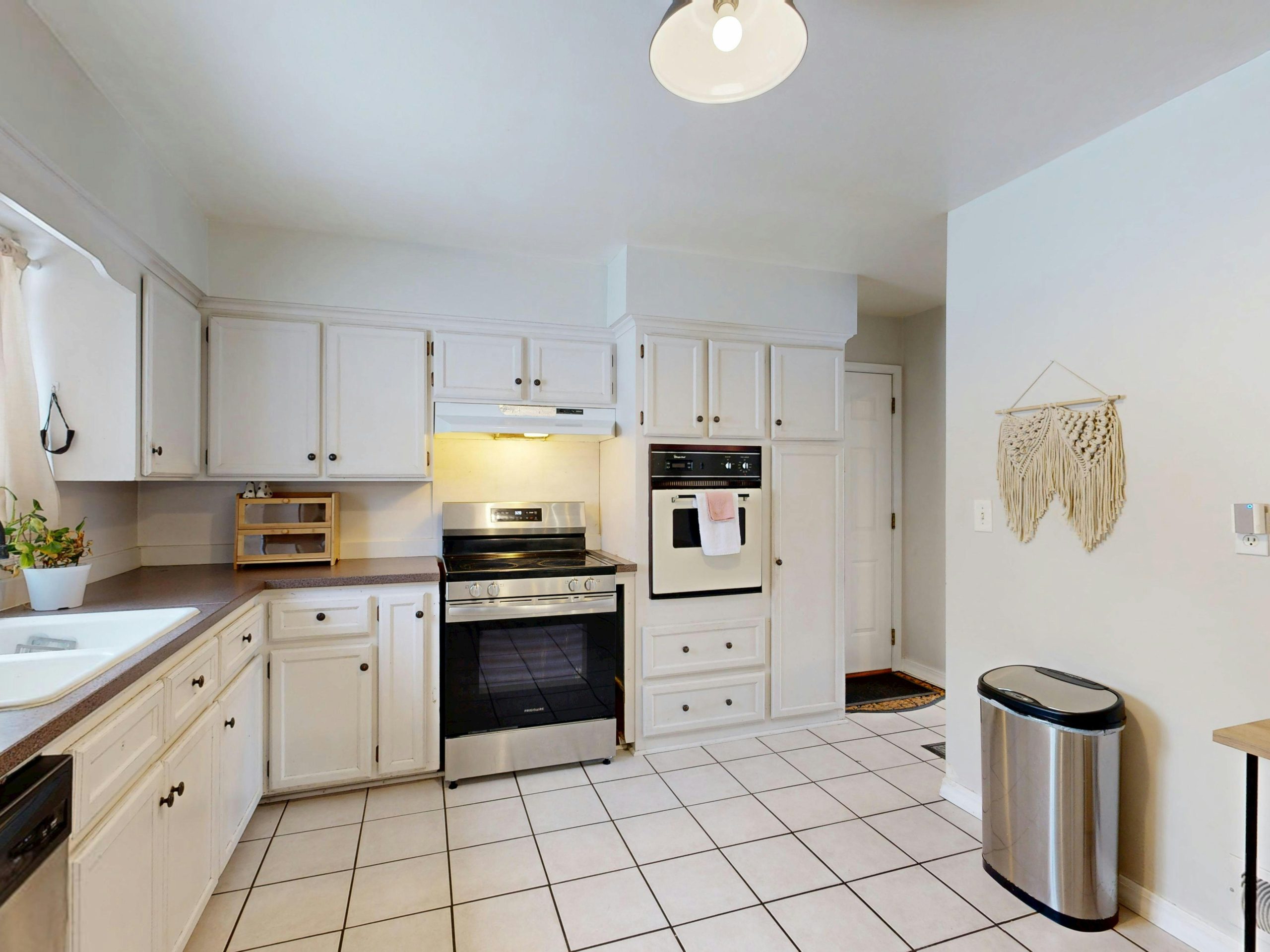
If the trash smell lingers after the bag is removed, the real culprit may still be sitting there.A typical American kitchen trash area can smell because the liquid leaked under the liner, food touched the lid, or residue settled into the bottom seam of the can. The smell may also be hanging out on the wall behind the bin, beneath a pull-out cabinet track, or on the floor where the bag was pulled out. That’s why taking the trash out doesn’t always get rid of the smell. The telltale sign is if the smell comes back soon after a fresh bag is put in. If so, it may be time to listen to the can, lid, floor edge or cabinet base, not just another scented bag or spray.
The Damp Towel Smell in the Bathroom

A damp towel can smell bad in a bathroom, even just after it’s been washed.In suburban bathrooms and rental apartments, the damp towel smell usually begins when the towels are bunched up, the hooks are too close together, the fan is dusty, or when steam lingers after a shower. The smell can make people think towels are old or detergent didn’t work, when the real issue could be drying time. In a lot of homes, towels draped behind doors or against walls never get enough air circulation. That trapped moisture can also leave a stale smell lingering in small bathrooms long after the shower’s dry. A look at towel spacing, a damp bath mat, dusty fan blades or the folds of the shower curtain can tell you why the smell persists.
The Under-Sink Odor That Seems to Come From Nowhere
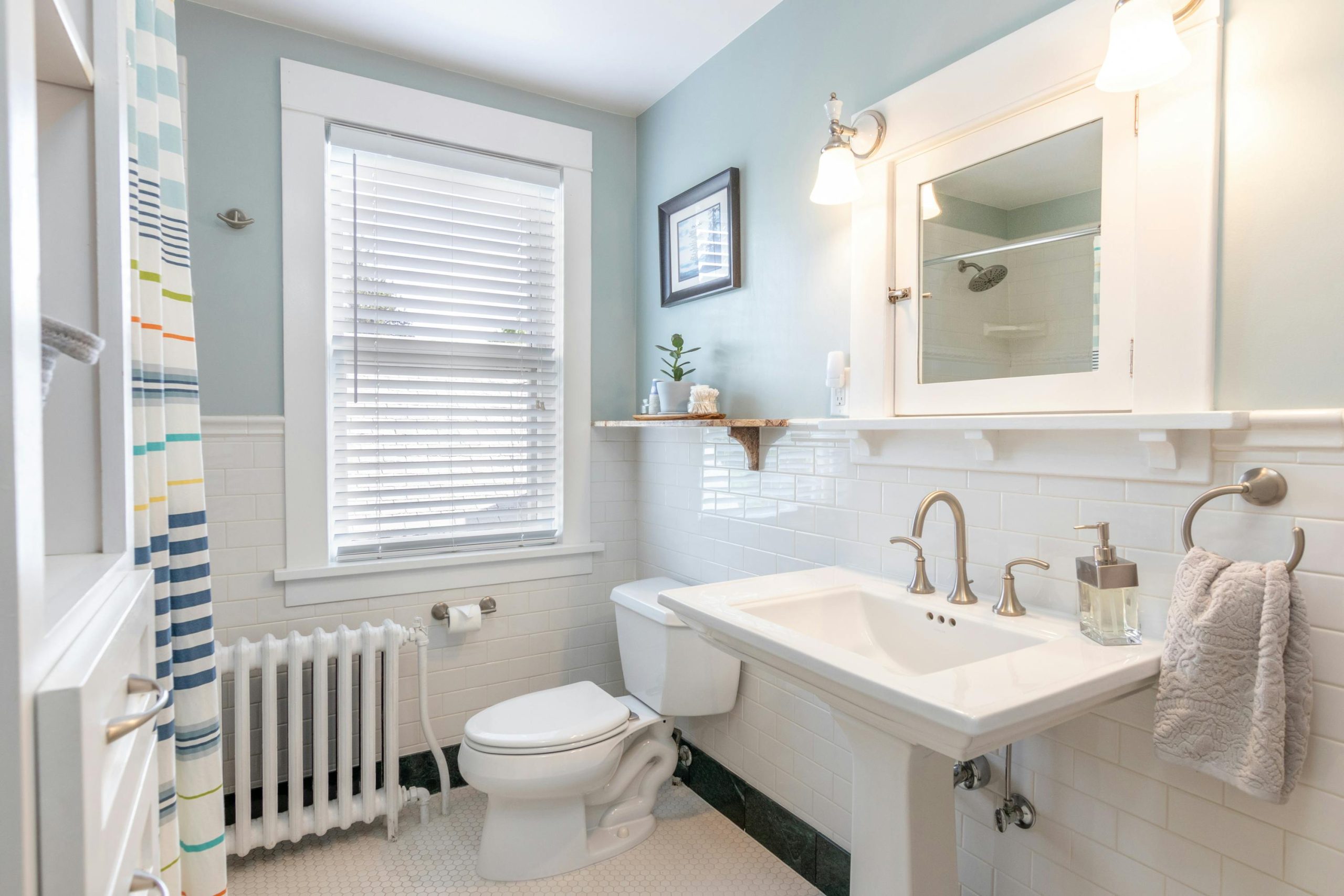
You can easily not notice a strange odour under the sink until you open the cabinet door.Smells under the sink can develop from damp paper towels, leaking bottles, old sponges, slow pipe drips or residue around the drain line. In many U.S. homes, this cabinet is a catch-all for cleaners, trash bags, dish soap and random supplies, so little wet spots go unnoticed. Look for a musty or sour smell in the cabinet. If the wood or particleboard remains damp, it can retain odour. The trick is whether the smell gets worse when the cabinet opens or after the washbasin runs. A brief inspection of the pipe joints, cabinet floor, and stored items can stop a minor mess from escalating into a major one.
The Fridge Smell That Comes Back After Cleaning.

If a fridge smell returns after cleaning, it may not be from the food you just discarded.Leftovers, onions or old produce after a grocery run are often blamed for refrigerator odours. But if the smell returns after obvious food is removed, the source could be the crisper drawer, shelf lip, door gasket, drip area or a sticky spill that slid under containers. In a typical American kitchen, the drawers are filled with berries, lettuce, deli packs and leaking produce bags, where moisture can hide at the bottom of a fridge drawer. The useful move is to remove drawers completely and check the seams, not just wipe the visible shelf. A small step can mean the difference between a new refrigerator and a stubborn smell.
The Garage or Backyard Trash Smell Near the Door
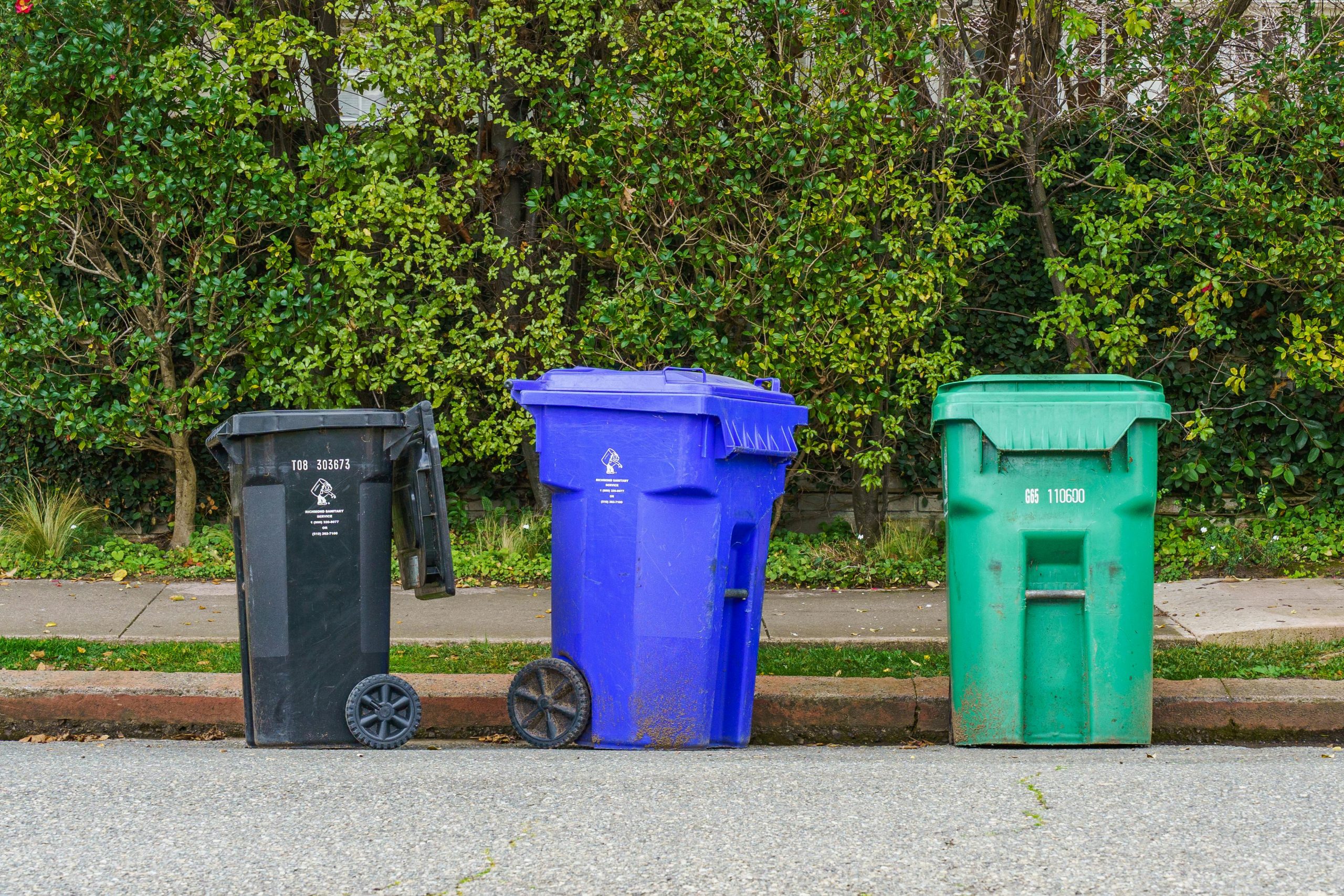
Sometimes that trash smell can get into the house from the garage or back door more quickly than people think.Warm weather across the U.S. can quickly create trash-bin odours around the garage, driveway or backyard. The smell may waft in when the garage door opens, when bins are left near an entry, or when a leaky bag leaves residue inside the can. People keep spraying around the doorway, but it might be the bin lid, the bottom seam, the wheel area or the concrete nearby. This is especially common after cookouts, pet cleanups or seafood scraps. If you push the bins just a little away from the doors, rinse out residue when needed and check for bag leaks, you can prevent one smell outside from turning into a whole house problem.
The “Freshener Didn’t Work” Smell.
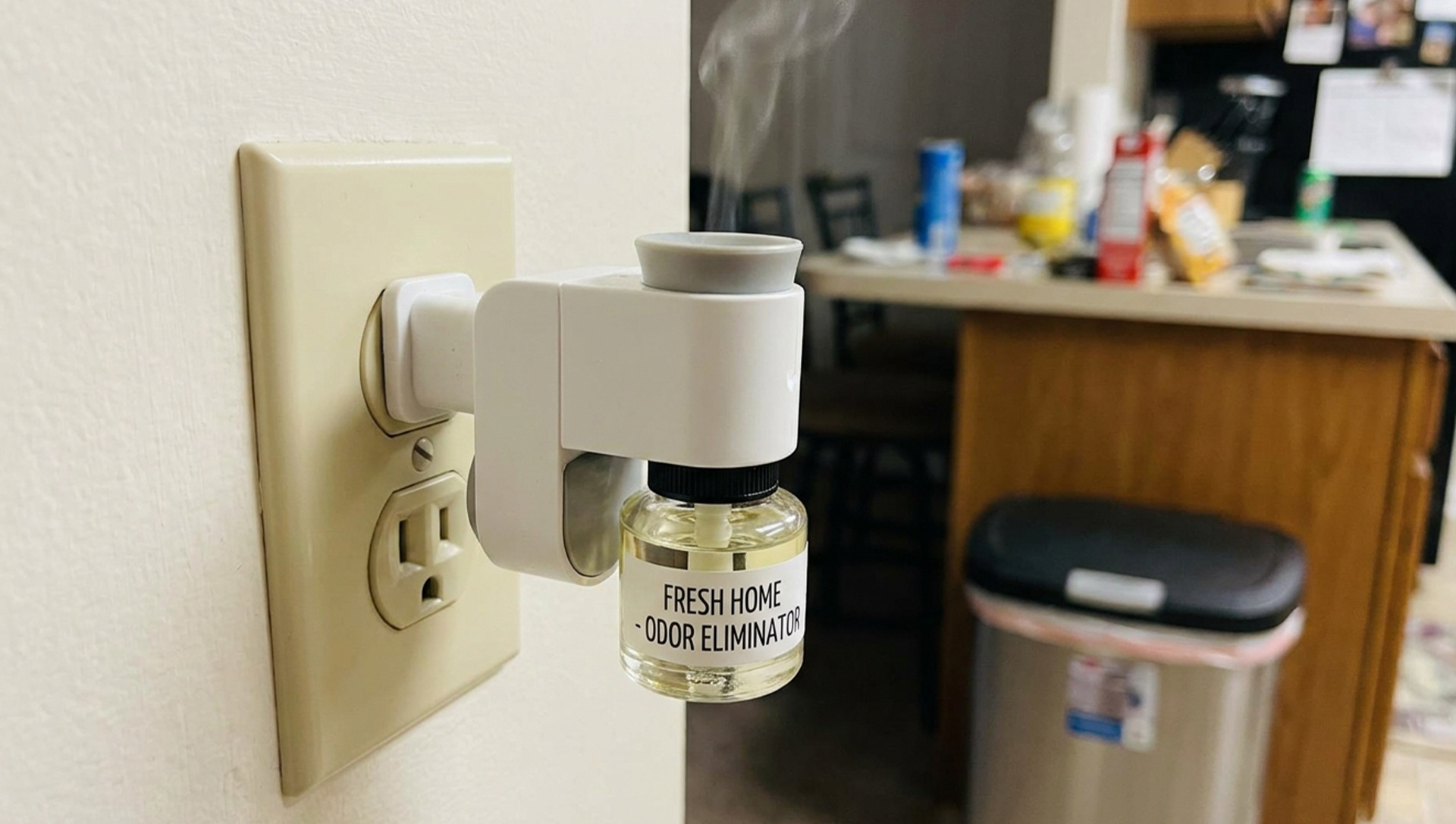
If an air freshener merely masks a smell for a few minutes, the home may be signalling a source.The worst mistake most American homes make is to treat every odour as a scent problem instead of a source problem. A timing clue is being given by a smell that comes after laundry, rain, cooking, HVAC use, trash day, or showers. Giving a location clue is the strongest near a drain, vent, cabinet, basement wall, towel hook or trash bin. An air freshener can make a room smell better for a little while, but it usually won’t fix trapped moisture, residue, lint, old food, or bad airflow. The useful habit is simple: follow the smell before you hide it. That can save time cleaning and sometimes keep little problems from becoming big bucks.