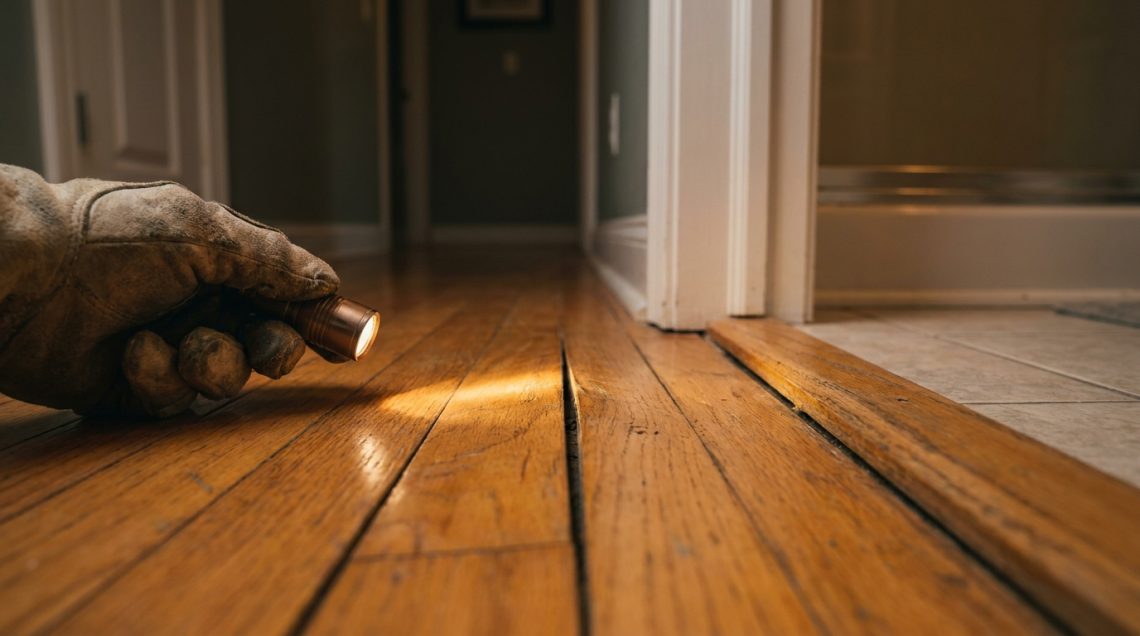
Not all home problems start with a loud crash, a flooded room or a repair bill. They begin as a little stain, a sticky door, a floor that’s not quite level, or a light that flickers just long enough to be noticed in many U.S. homes. Life is busy and these clues are easy to dismiss, especially in older homes, rental apartments, suburban bathrooms, basements, garages, and busy family kitchens. But small changes can sometimes mean moisture, movement, air flow, wiring, settling or hidden wear. This gallery looks at overlooked house clues that might be worth checking before they quietly become bigger problems.
Ceiling Stains That Keep Getting Darker
That faint stain on the ceiling might be the house trying to tell you something.In an older home that may have had its share of leaks in the past, it’s easy to miss a small stain on the ceiling. But if the stain is darker, larger, soft, or shows up after rain, it may be moisture above the plasterboard. In many U.S. homes, that may come from a roof leak, an upstairs bathroom, attic condensation or a plumbing line. The mistake is to think that every stain is a cosmetic problem. Taking a photo every couple of days can quickly show if it is changing. If you notice growth, or feel dampness, waiting can lead to plasterboard damage, mould concerns, or a hidden leak that continues to feed the same spot.
Flooring That Starts to Warp Near One Spot.
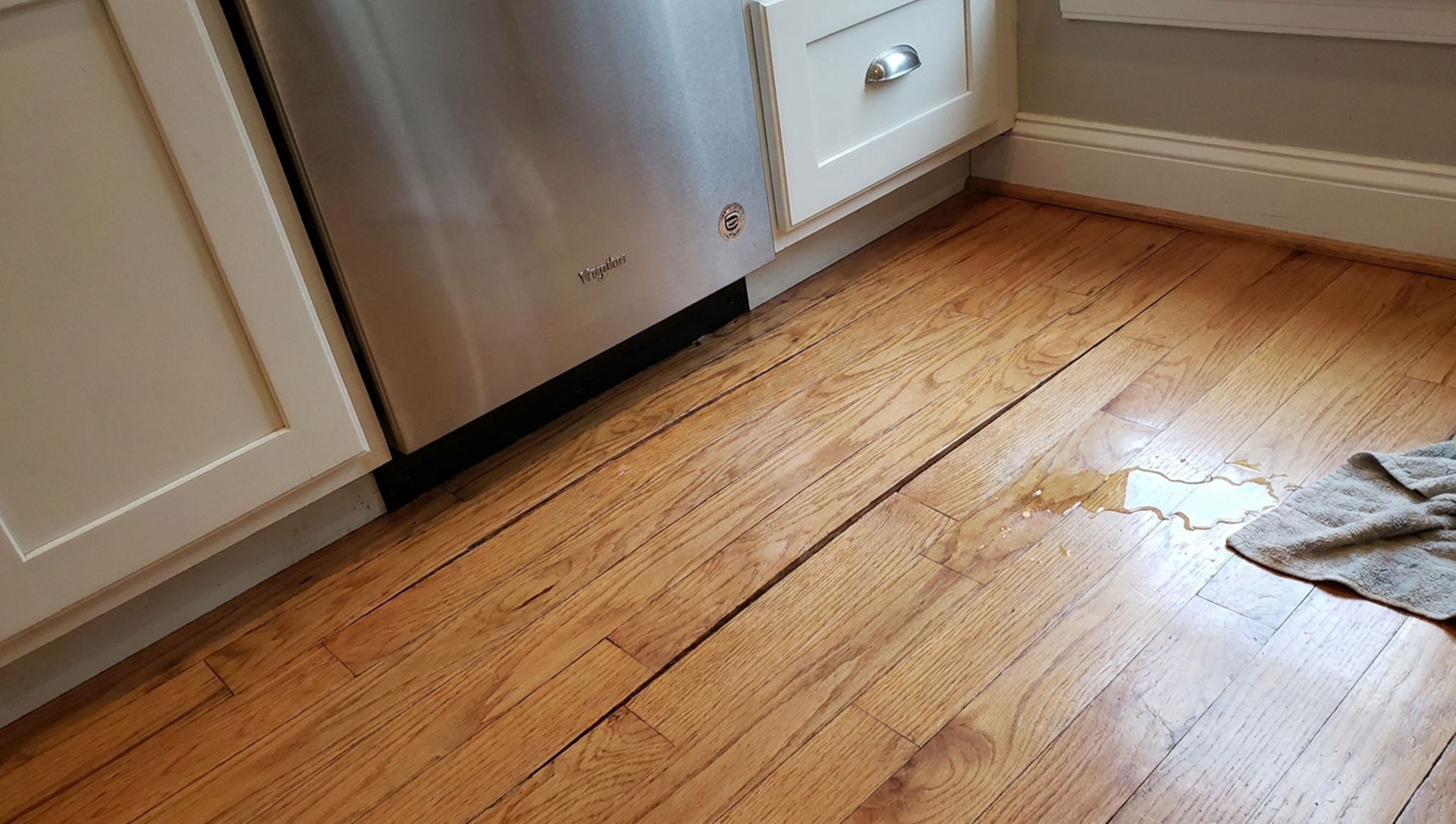
A tiny floor bump might be the first visible clue to a hidden problem.At first glance, warpage in flooring can seem harmless, especially if it is just one raised seam or one soft-feeling area near a sink, dishwasher, toilet, laundry room or basement wall. In many American homes floors respond to moisture before the source is visible. Planks can swell, curl or separate due to slow appliance drip, poor bathroom ventilation, foundation moisture or repeated wet shoes near an entryway. The warning is stronger if the spot feels soft, smells musty, or keeps growing. Ignoring it can mean water entering subflooring, and that usually costs more to fix than replacing a few damaged boards early on.
Flickering Lights That Happen in the Same Room

A flickering light may be more than a bad bulb.One flicker could be a loose bulb, a problem with a lamp, or a normal moment when a large appliance comes on. But if that light blinks a lot, goes out with certain devices on, or appears after you flip a switch, it might be worth noting. In older homes and rental apartments in the U.S., wiring, switches, fixtures, or overloaded circuits can cause repeated symptoms. The smart thing is to see the pattern. One bulb. One room. One outlet. The whole house. Treat it like a minor nuisance, but if there is buzzing, burning smell, warmth or frequent flicker, it is safer to stop guessing and have it checked.
Loose Outlets That Wiggle When You Unplug Something.

If the outlet moves with the plug, don’t discount the wobble.Loose outlets are common in busy U.S. homes, especially in areas like kitchen counters, bedrooms, home offices and charging spots where plugs are pulled on a daily basis. Sometimes the fix is simple such as a loose cover plate or worn outlet box. But if the receptacle itself moves, sparks, feels warm or no longer holds plugs tightly, it could be a sign of wear behind the wall. The error is in pushing the plug back in and forgetting about it. A loose outlet can stress connections over time. “This is important news for tenants. For homeowners, it’s one of those little things that may be cheaper to fix before it becomes a major electrical issue.
Sticky Doors That Suddenly Start Rubbing.

A door that suddenly sticks can be a nuisance.Sticky doors are a common problem in many American homes especially in sticky summer months, cold snaps or after heavy rain. Wood can swell, hinges can loosen and paint can build up along the frame. But if a door begins scraping unexpectedly, the gap appears uneven, or a handful of doors stick at once, it might be a sign of settling, moisture, or movement around the frame. The key is not to panic, but to compare what has changed. Is it seasonal? Is there a crack nearby? It’s sloping? Humidity can be a sticky bathroom door. One thing that could be worth checking out before the cause is harder to track down is a few new sticky doors.
Window Condensation That Keeps Coming Back.
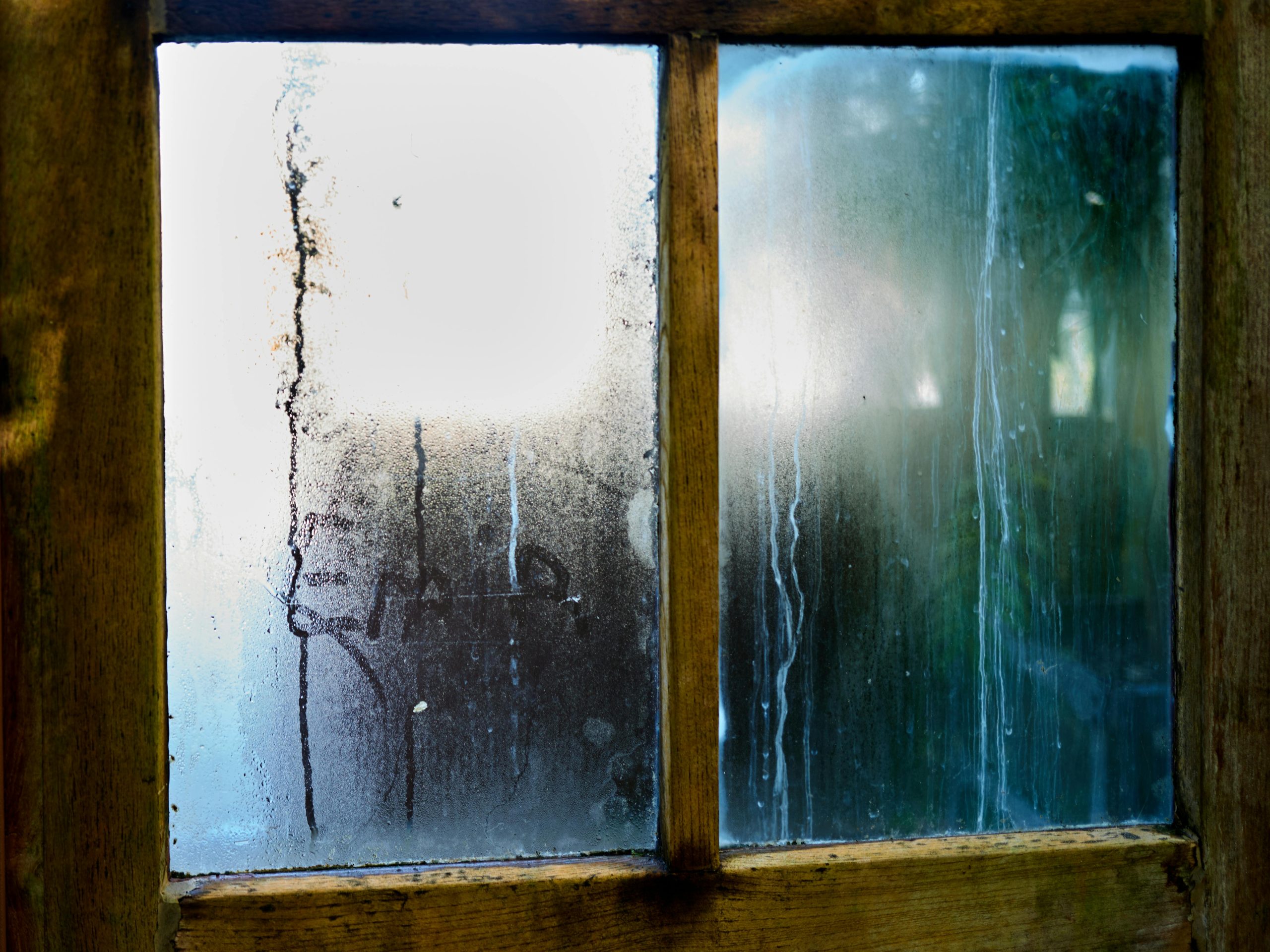
That foggy window may be telling you more than just “it’s cold outside.”Condensation on the inside of windows is common on cold mornings, especially in bedrooms, bathrooms, basements and older homes with poor ventilation. But if moisture keeps accumulating on the sill, paint begins to chip or a musty smell develops around it, it could become more than a seasonal nuisance. In many U.S. homes, repeated condensation can be caused by high indoor humidity, blocked airflow, poor bathroom fan use or an ageing window seal. The danger is slow damage: softened trim, stained plasterboard or mould along the frame. Cleaning it once helps the surface, but seeing why it comes back is what protects the area long term.
Dusty HVAC Vents With Weak Airflow.
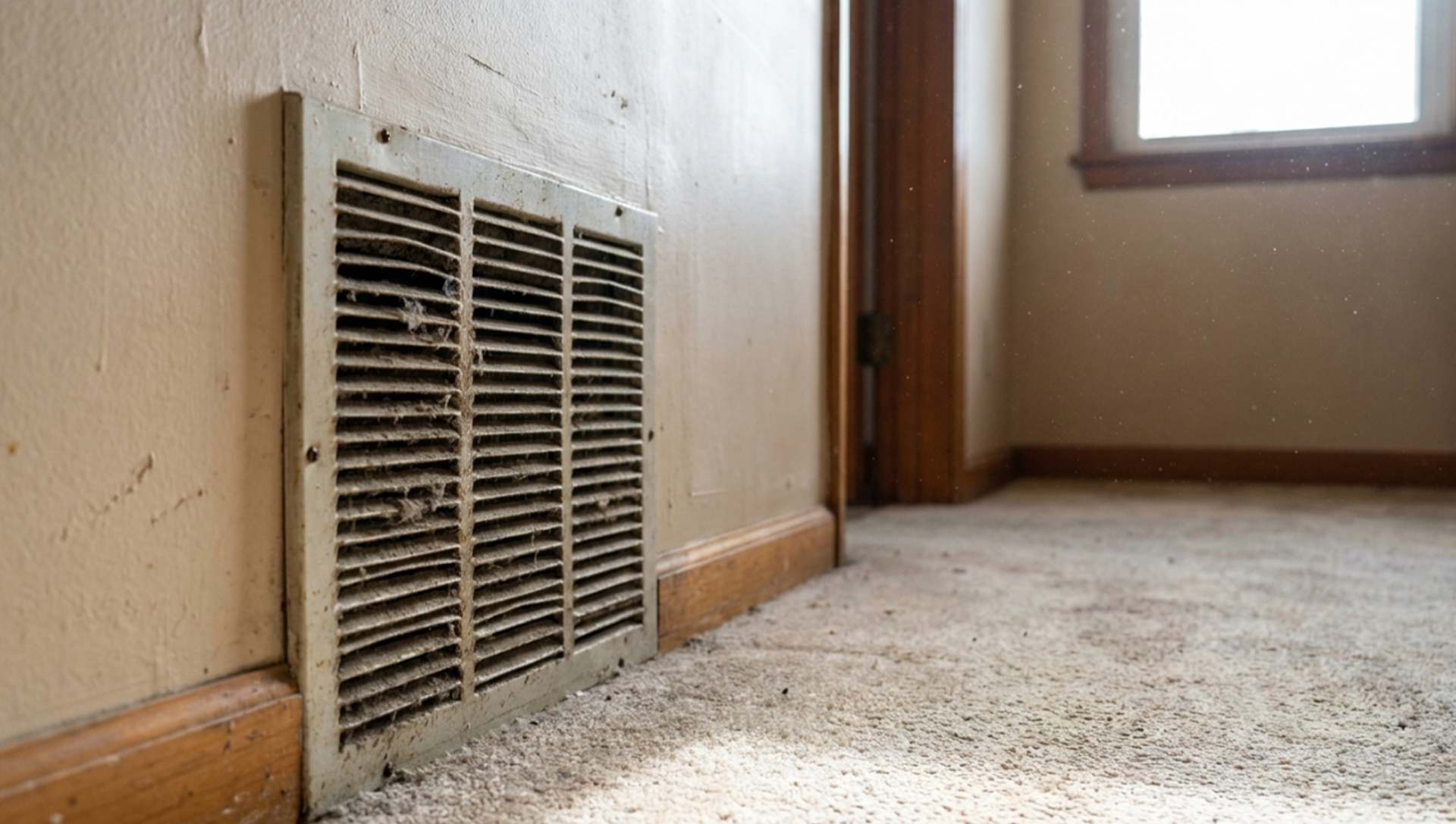
A dusty vent can be a small hint your home’s air isn’t moving right.HVAC vents are in the ceiling and walls, so they can be easy to ignore – but they get dusty. But it might be worth a look if one vent is much dirtier than the rest, airflow seems weak, or rooms stay warmer or cooler than you’d think. For many American homes, the problem might be a clogged filter, a restricted return, a closed damper, a leaky duct, dust from renovations, or furniture blocking the airflow. Not that the system is failing, but that the pattern is. Filters, blocked vents and unusual rooms should be checked, before the system has to work harder, comfort drops or dust returns faster than normal.
Small Wall Cracks That Change Shape.
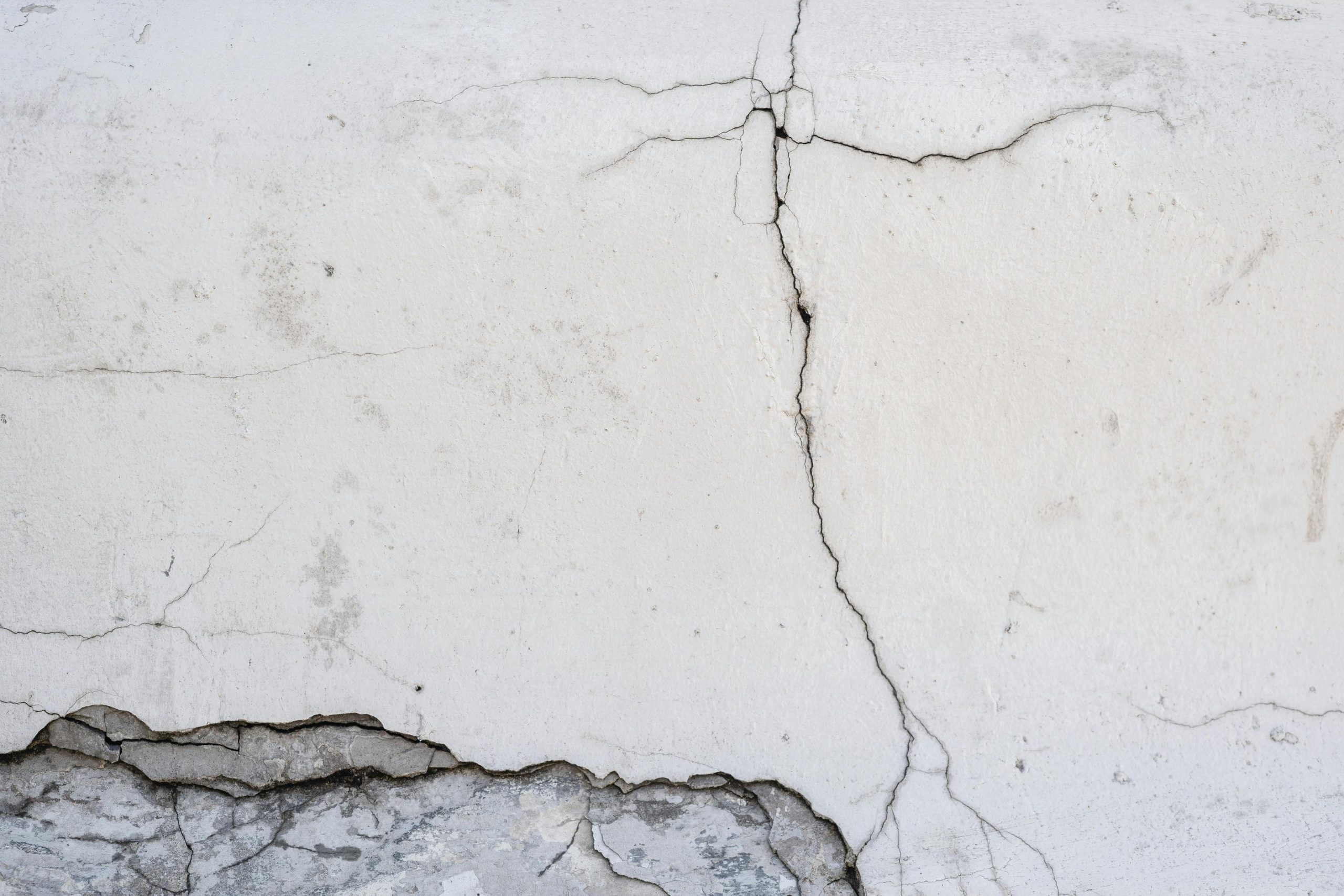
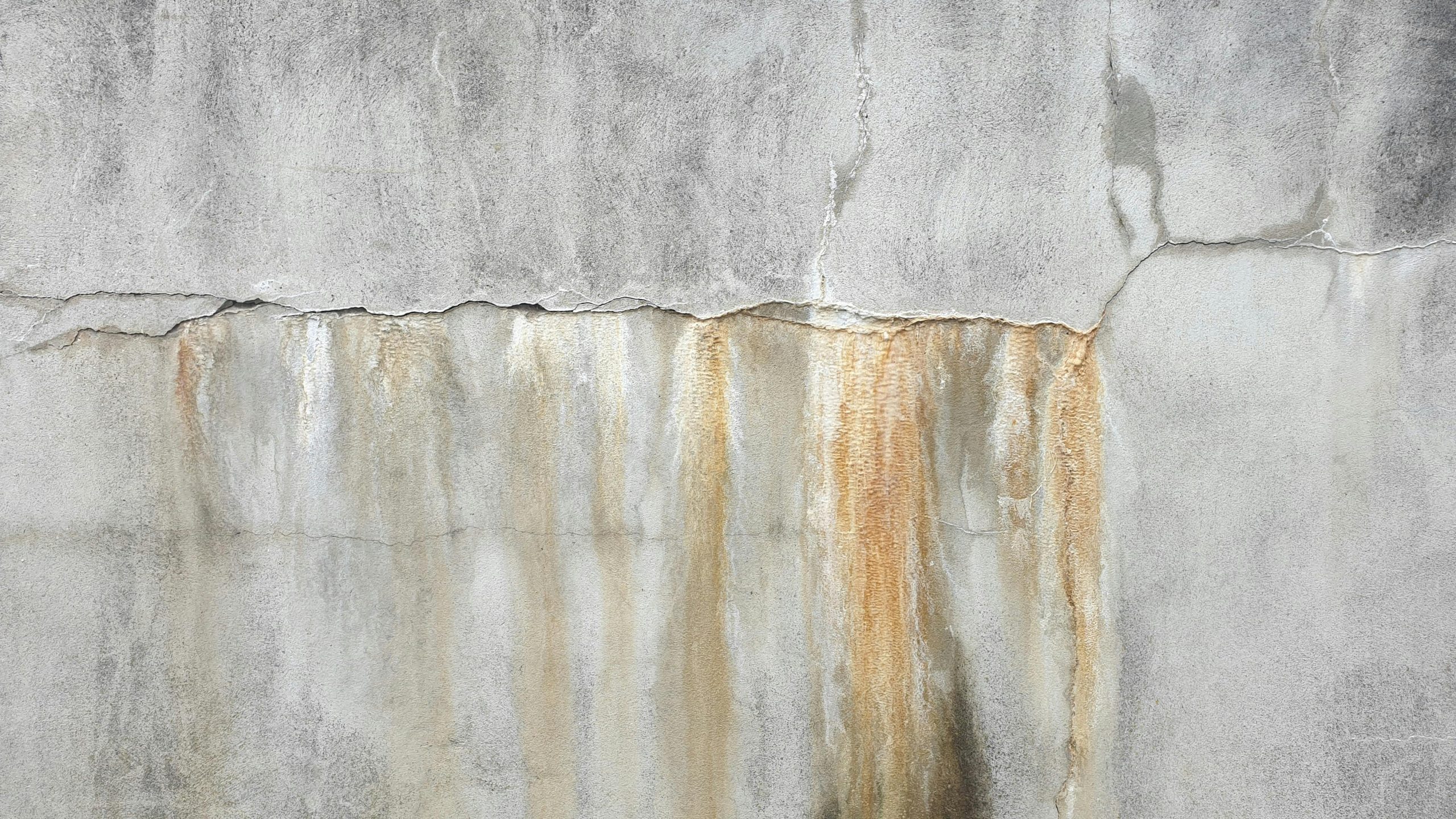
It’s not always the small wall crack that’s the problem; the change is the clue.Small cracks in plasterboard are common in U.S. homes, especially around doors, windows, ceiling seams and in older plaster walls. Many are caused by normal settling, temperature changes or minor movement. But the crack that widens, stair-steps, comes back after repair, is accompanied by sticky doors, or shows moisture staining near it, needs more attention. The simple useful habit is to take a photo, mark the date and see if it changes over a few weeks. Not all cracks mean there is a major problem, but if you ignore one that is changing you risk delaying the discovery of water, framing movement, foundation settling or other problems when they are still easier to figure out.