Some habits seem harmless around the backyard, because they are part of normal American home life: trash cans by the fence, dog bowls on the patio, birdseed near the deck, firewood stacked beside the garage, or a few buckets left after rain. But small outdoor choices can create food, water, shelter or hiding places that pests notice faster than homeowners do. This gallery highlights the tiny backyard clues people often overlook until ants, mice, mosquitoes, roaches, raccoons and other pests begin to move in closer to doors, vents, sheds and foundation cracks. Each slide has one common habit, why it can quietly attract trouble, and what to check before the problem feels bigger.
Trash Cans Sitting Too Close to the House

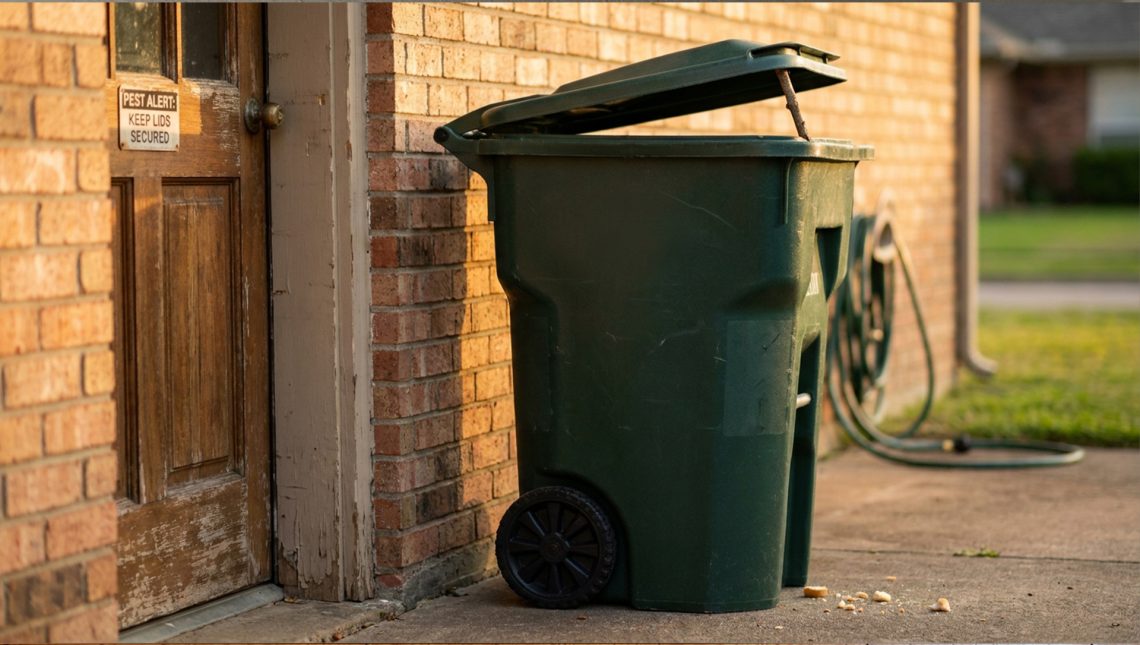
That trash can area might be too close to your home for pests’ liking.In many U.S. homes, trash cans are situated next to the garage, fence gate or back door, because that is the easiest place to grab them on pickup day. But if lids don’t seal tight, bags leak or cans are right up against siding, the area can harbour food smells that ants, flies, rodents, raccoons and roaches may follow. Even a bin that appears clean might have sticky residue around the rim or wheels. Closing lids, washing cans when there is residue buildup, and moving bins away from doors or foundation gaps can reduce the “free meal” signal close to the house.
Pet Food Left Outside After Feeding.
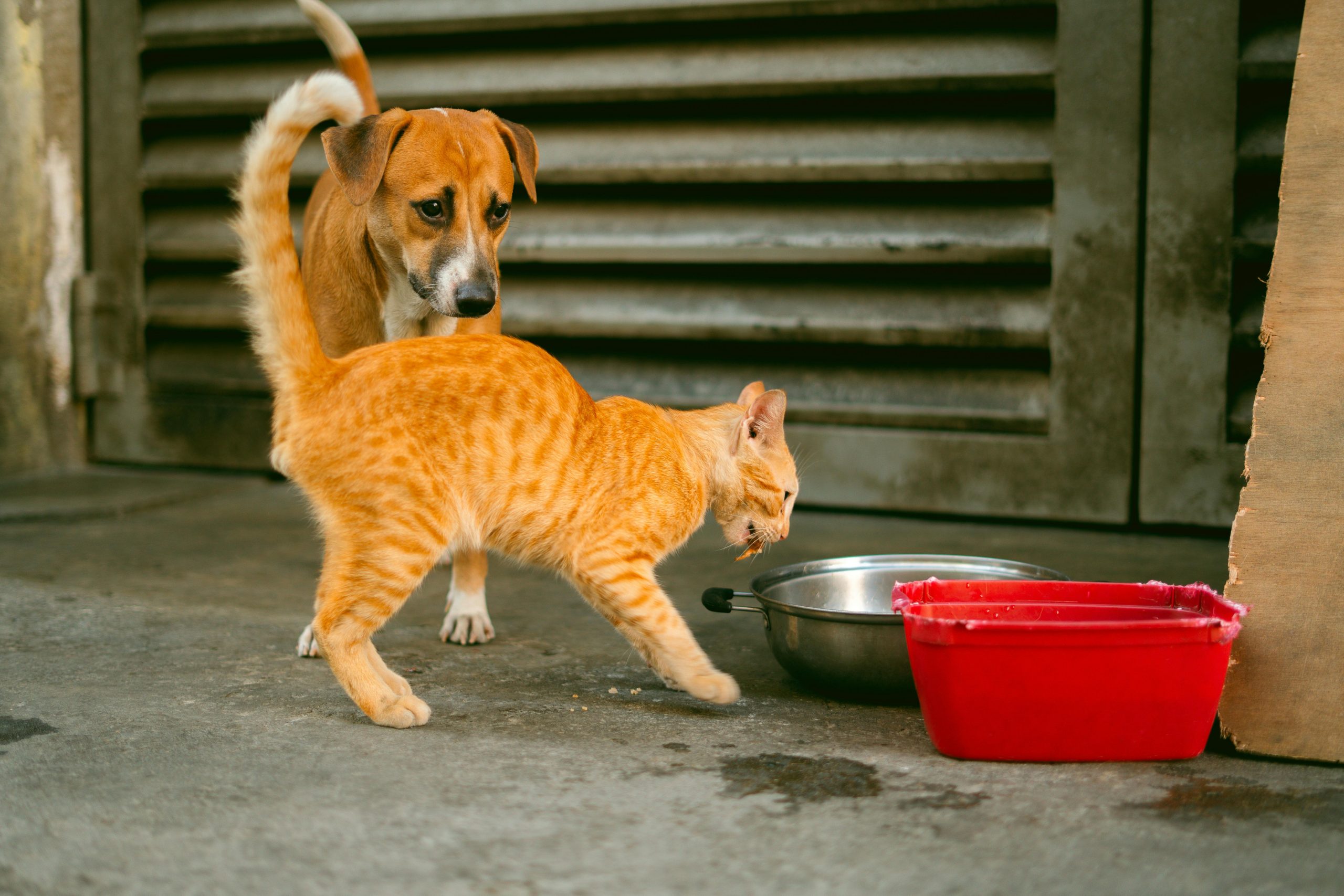
A handful of pet food can bring more visitors than the family dog.Pet bowls on a porch, deck, or patio are common in American homes, especially if the dogs spend a lot of time outdoors. The problem occurs when kibble, canned food or crumbs are left out overnight Pet food is a magnet for ants, flies, roaches, mice, raccoons, and other critters that quickly learn where the bowl sits. Even crumbs spilt under a patio chair or beside a sliding door can make a difference. A better habit is to feed pets on a schedule, pick up bowls after meals, rinse sticky dishes and sweep scattered kibble so the feeding area does not become a nightly stop for pests.
Standing Water After Rain.
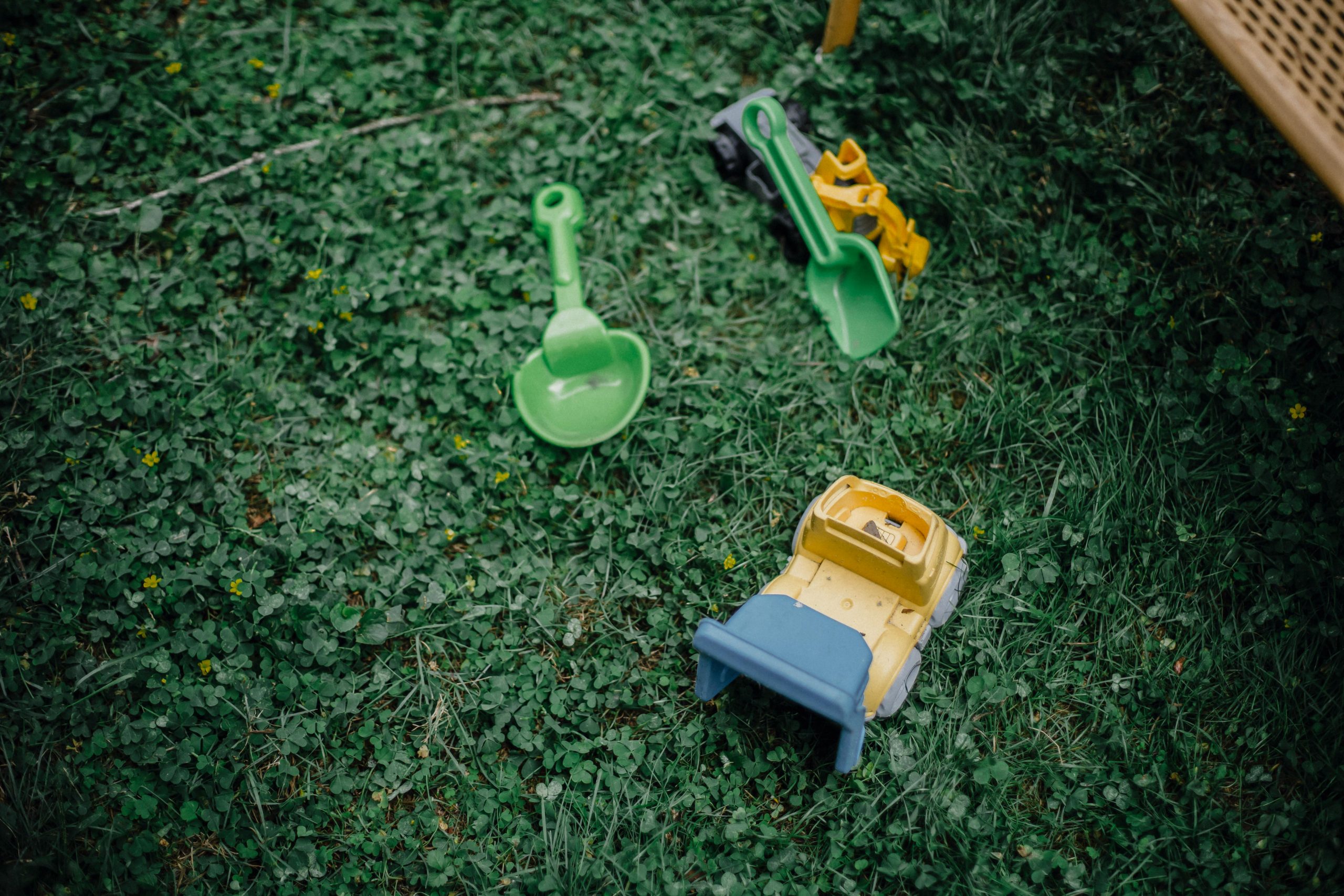
The tiniest water spot in the yard might be the most aggravating water spot.When a storm passes, many American backyards fill with water in places people stop noticing: saucers under flowerpots, buckets, tarps, kids’ toys, clogged gutters, wheelbarrows, grill covers and low spots on patios. Standing water can breed mosquitoes and will also make wet areas attractive to other pests. The trick is that these spots often seem too small to matter. A quick weekly walk after rain can help: dump out water, turn containers upside down, clear clogged areas and check anything that holds water near doors, decks and foundation edges.
Firewood Stacked Against the Wall.
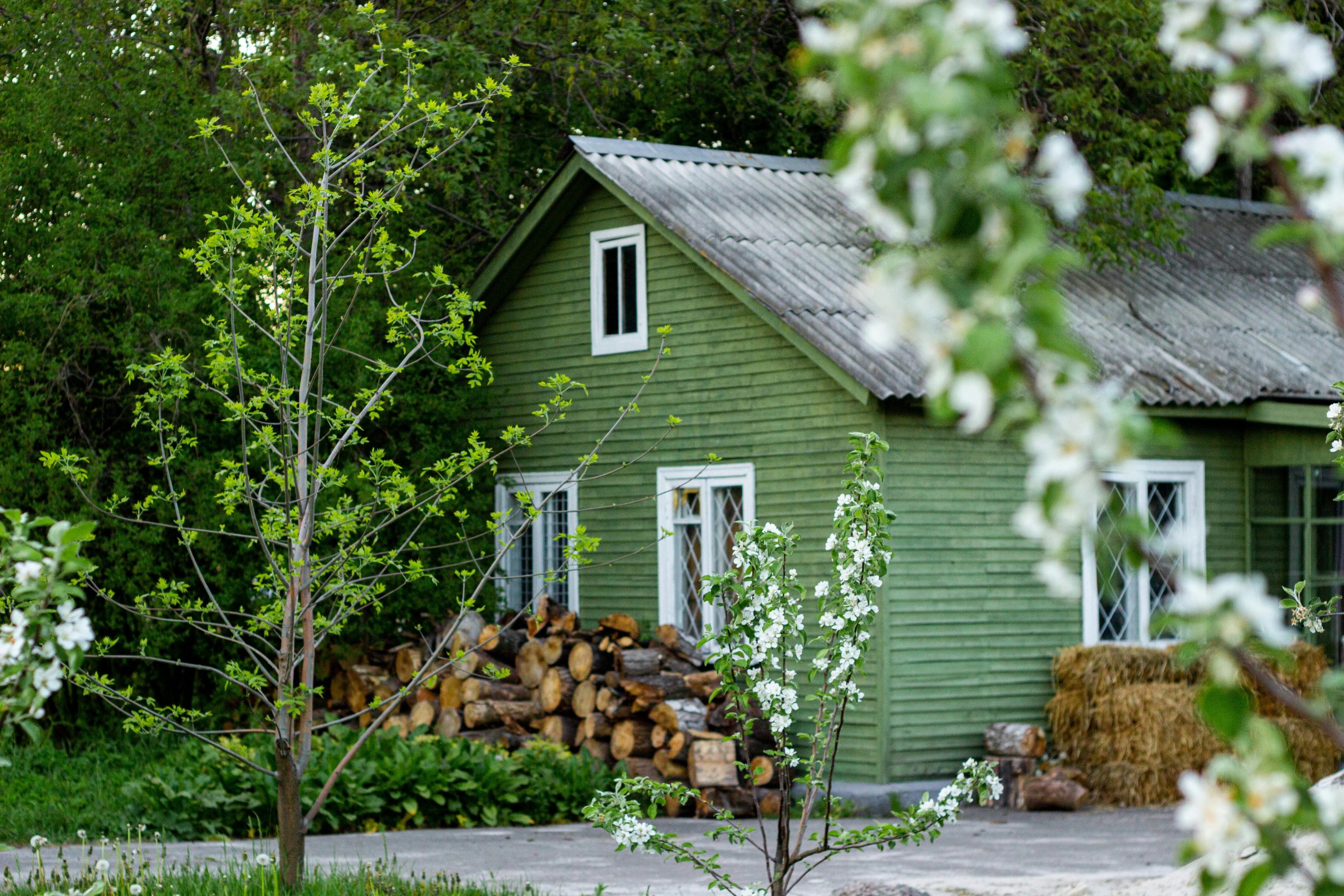
A neat wood pile may still be wrong.In older homes, cabins and suburban houses with fireplaces or fire pits, firewood often stacks up wherever it’s convenient — beside the garage, under a deck or against siding. Wood piles can harbour ants, spiders, roaches, mice, termites and other pests, especially if the pile remains wet. Wood piled against the house can also help pests move from the pile into cracks, vents, or gaps around doors. Elevating your firewood, keeping it dry and away from the structure eliminates one of the easiest backyard hiding places
Birdseed Scattered Under Feeders.
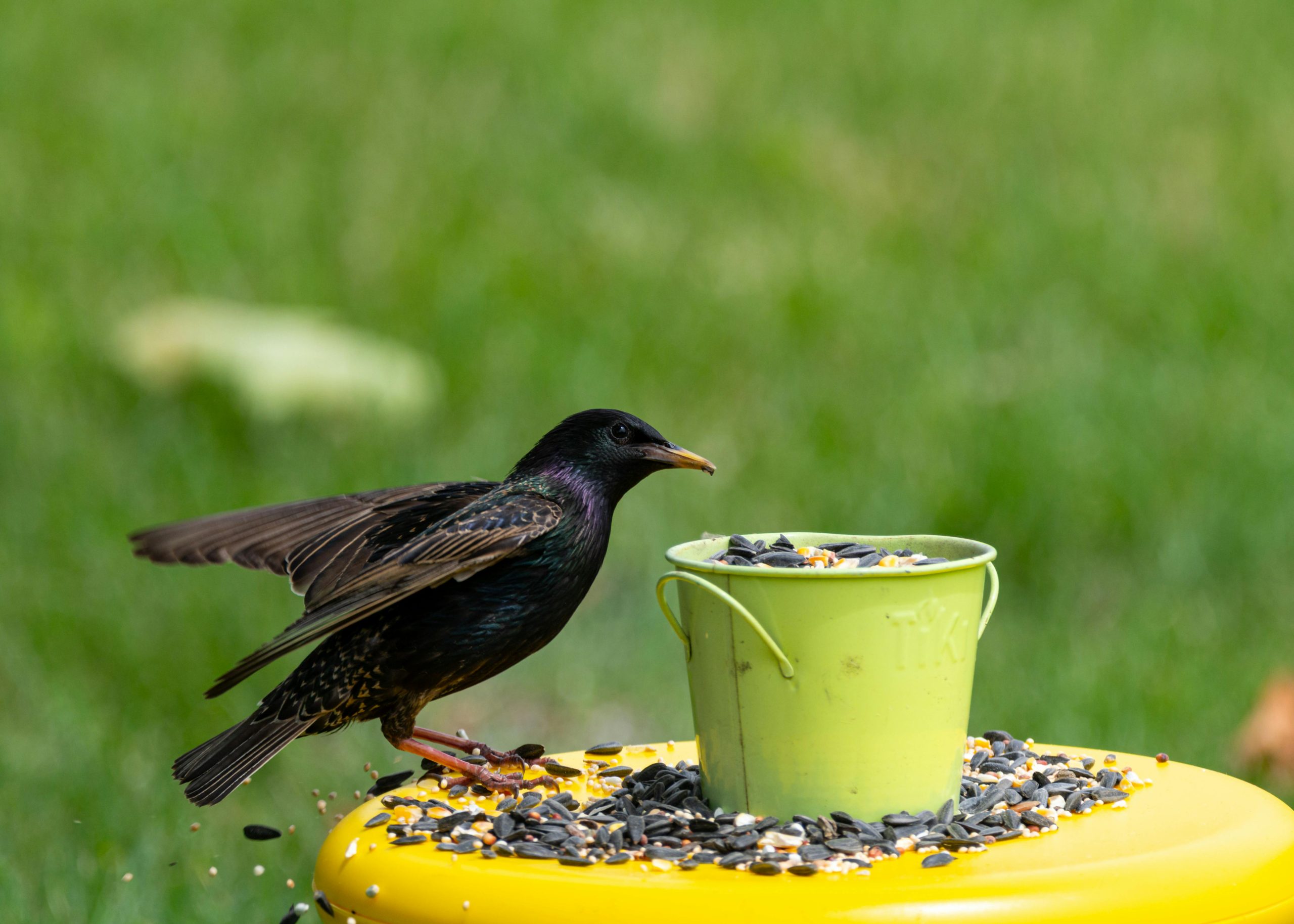
Backyard buffet can be had from seed on the ground.Bird feeders are a common sight in American backyards, especially along patios, fences and kitchen windows. But spilt seed can attract squirrels, mice, rats, ants and other pests, particularly when feeders are located close to decks or the house. Some seed mixes leave behind shells and residue that build up in the mulch or grass, creating a food smell long after the birds have flown away. To avoid the birdwatching habit turning into a pest habit, use a seed tray, clean under feeders, choose less-mess seed and put feeders away from doors and foundation lines.
Grease Left Around the Grill.
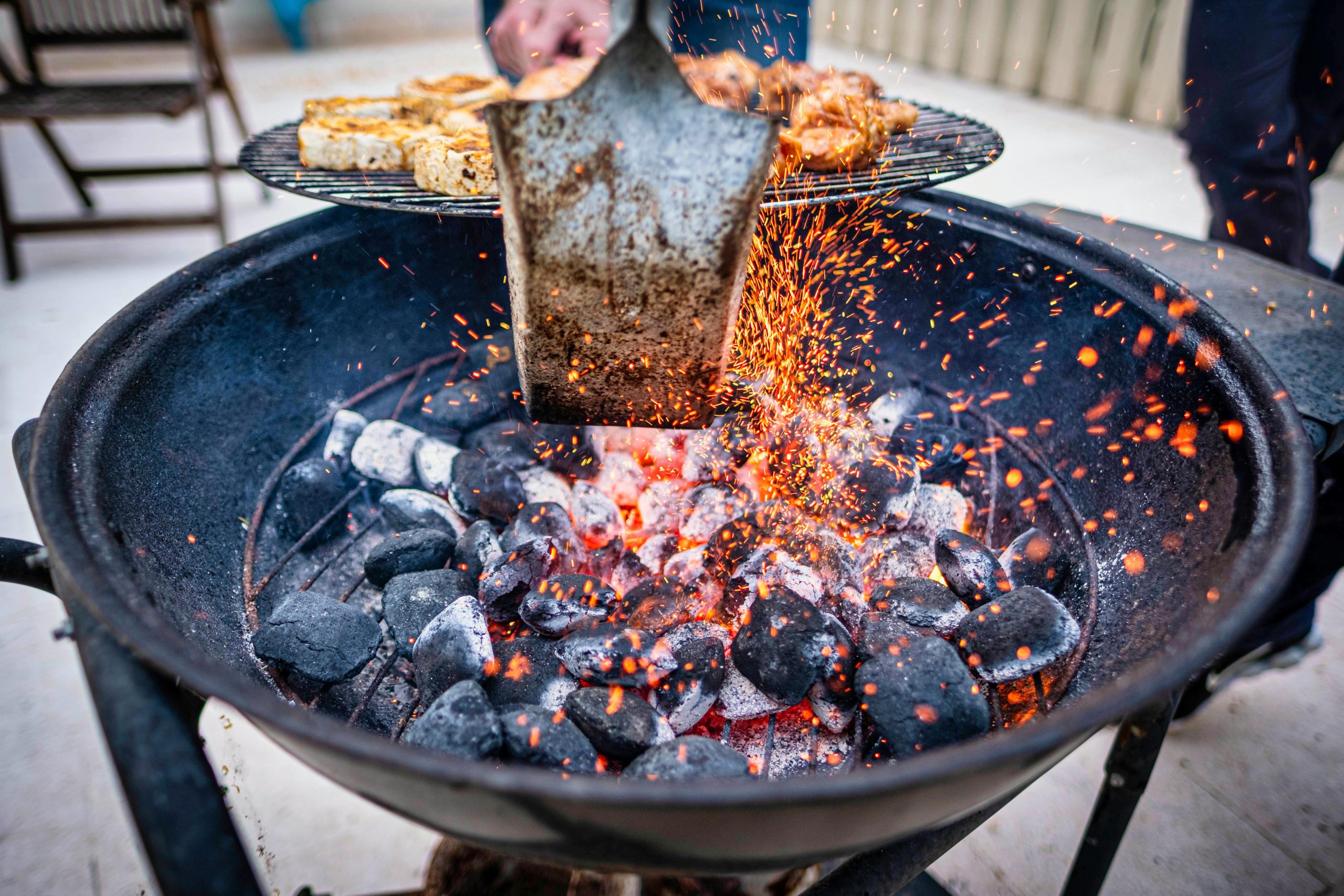
Dirty grills can continue to call pests even after dinner is over.The grill lives in many American homes on the patio all summer, and the cleanup is over when the food is served. But grease trays, burnt bits, sauce drips and crumbs around grill wheels can draw flies, ants, roaches, rodents, raccoons and other animals. The grill may appear closed and harmless with the residue still underneath it. Scraping the grates, cleaning grease trays, wiping down side shelves and checking the ground around the grill can be a big help. If you have covered grills, they still require cleaning. The smells can hide inside and on the base of the grill.
Yard Clutter Piled Near the Foundation.
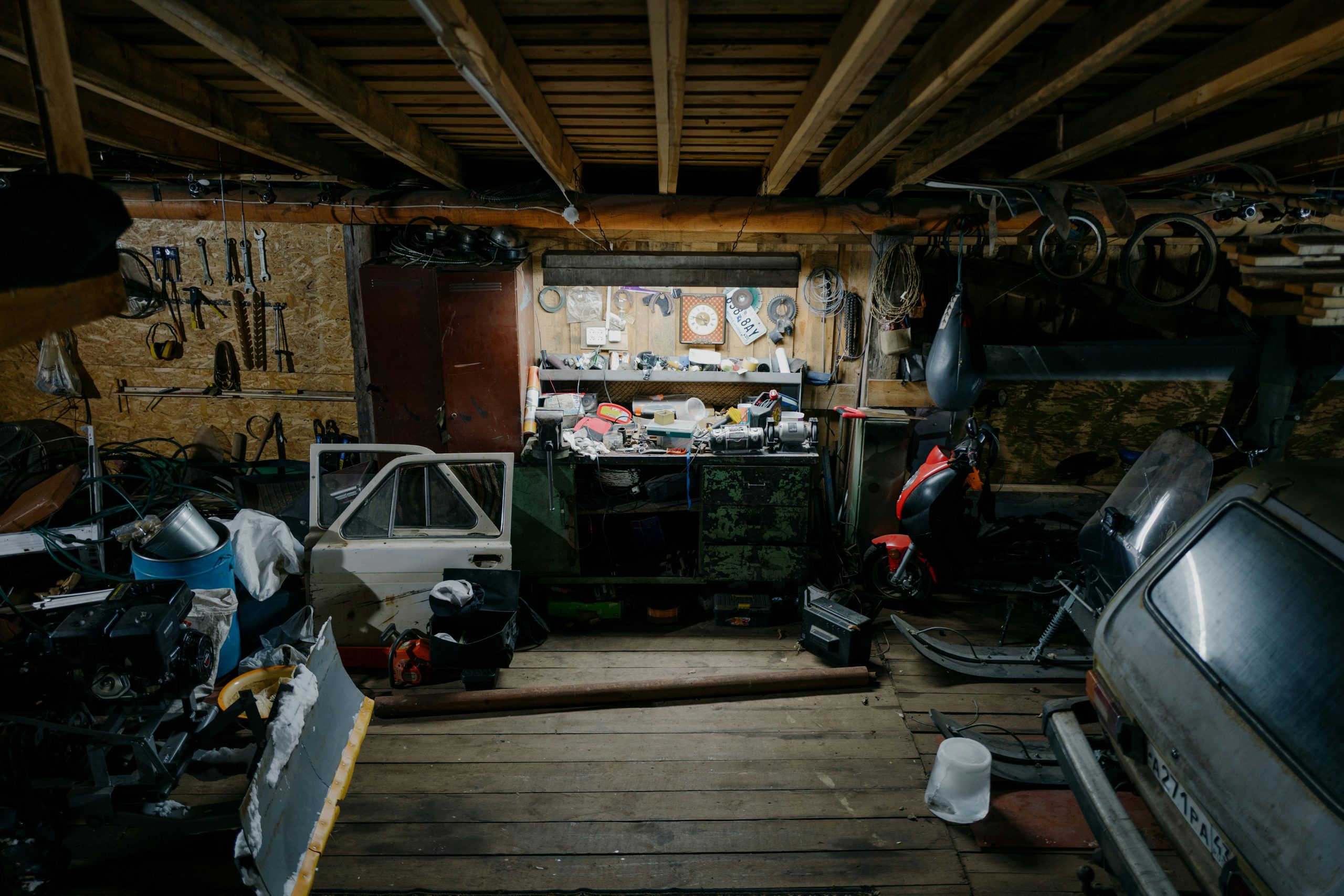
That “temporary” pile in the backyard may be providing a hideout for pests.Clutter can creep up around garages, sheds, patios and side yards: unused planters, cardboard boxes, tarps, old patio cushions, broken pots, pool toys and bags of soil. These piles trap moisture, limit airflow, and can create dark spots where spiders, roaches, mice, ants and other pests can hide. When the clutter is placed next to cracks in the foundation, vents or basement windows, the distance to the house is very small. Removing easy cover can be done by clearing piles, keeping items off the ground and maintaining a visible strip along the foundation.
Mulch Built Too Thick Near the House.

Using fresh mulch can make a yard look better, but it can hide a problem.To make landscaping look clean, mulch is often added around flower beds, shrubs, patios and the front or back foundation line in suburban yards. But if mulch is piled too high or pressed against siding, it can hold moisture and create a nice zone for insects and other pests to thrive. It can even hide tiny foundation cracks that homeowners might otherwise spot. Mulch is usually best when it’s shallow, pulled away from siding, and checked after rain. A clean edge near the house can help make it easier to spot pest activity before it becomes a bigger problem.