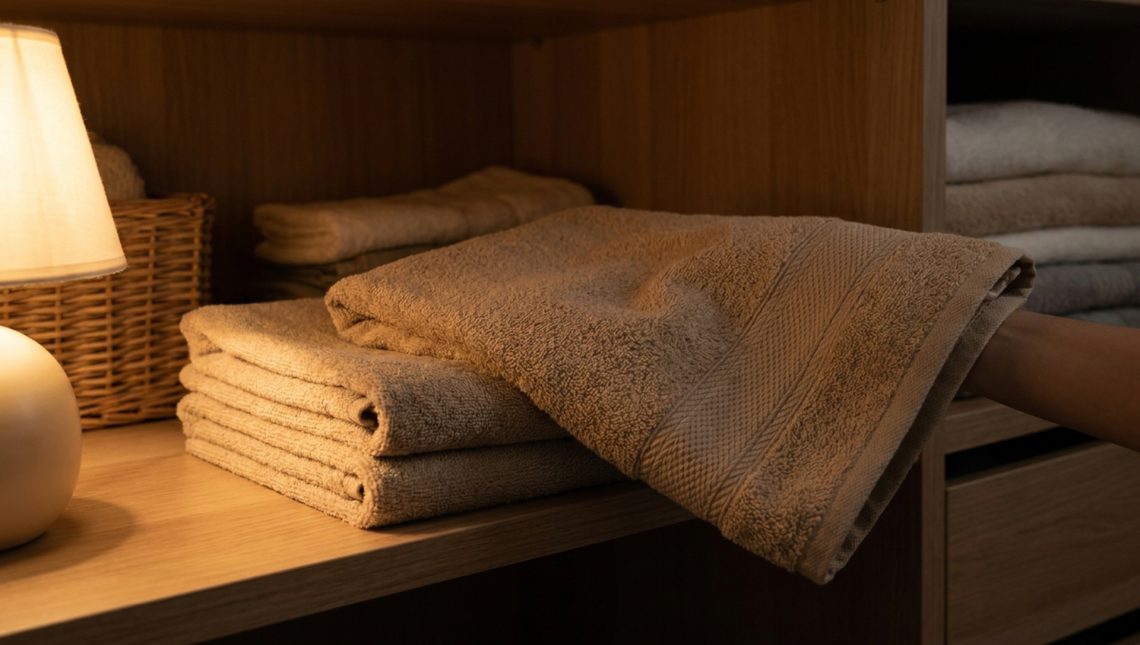
Weird house smells don’t always stay in the room they come from. In many homes throughout the United States, stale air, hidden moisture, closed closets, empty guest rooms, pantry shelves, towel cabinets, plastic bins and soft upholstery can subtly transfer that odour into fabrics and containers. The frustrating part is that the item may seem clean, folded, sealed or stored properly – until you pull it out later and smell the odour following it. This gallery breaks down the everyday places where home smells often cling first, why they can spread, and what visual clues make the problem easier to spot before clean clothes, blankets, towels, or food containers start smelling like the room.
Closet Fabrics That Pick Up the Smell First

Your clean wardrobe is probably the first place your clothes will pick up that stale house smell.In many U.S. bedrooms, closet fabrics are the first to absorb a stale home odour, as cotton, knits, jackets and sweaters lie still in closed air for days or weeks. The clothes may be clean, but tight spacing, low airflow, old wood shelving, damp corners, or scented products layered over stale air can allow the fabric to absorb the smell of the room. This is why a shirt can smell fine after laundry, then smell “closet stale” later. The clue is not dirt but air trapped around soft fibres in storage.
Musty Guest Rooms No One Uses Often

The room that nobody sleeps in can become the room that makes everything smell stored.That’s because a guest room may look clean because no one uses it, and odours are exactly why they can settle. Many American homes have closed vents in unused rooms . Closed blinds . Bedding rarely changes . Fabric rarely moves . If the air is musty from humidity, dust, old carpet or a nearby bathroom, blankets and spare clothes can quietly absorb it. The smell is usually only noticeable when guests arrive, the bed is turned down or a wardrobe door is opened. Even in a clean looking room, there can be airflow
Plastic Containers That Keep the Odor.

That clean plastic container may be hiding yesterday’s kitchen smell.In a typical American kitchen, leftovers are easily blamed on plastic containers, but odour can also come from where they are stored. Plastic can absorb the smell of sauce, onions, stale air in a cabinet or moisture under a lid. Community threads often mention containers that survive the dishwasher, but smell wrong afterwards. Baking soda is a frequently recommended odour removal solution. Food storage sources also recommend baking soda as a simple deodorising solution. The warning sign is a container that smells “clean but not fresh.”
Blankets and Throws That Start Smelling “Stored”
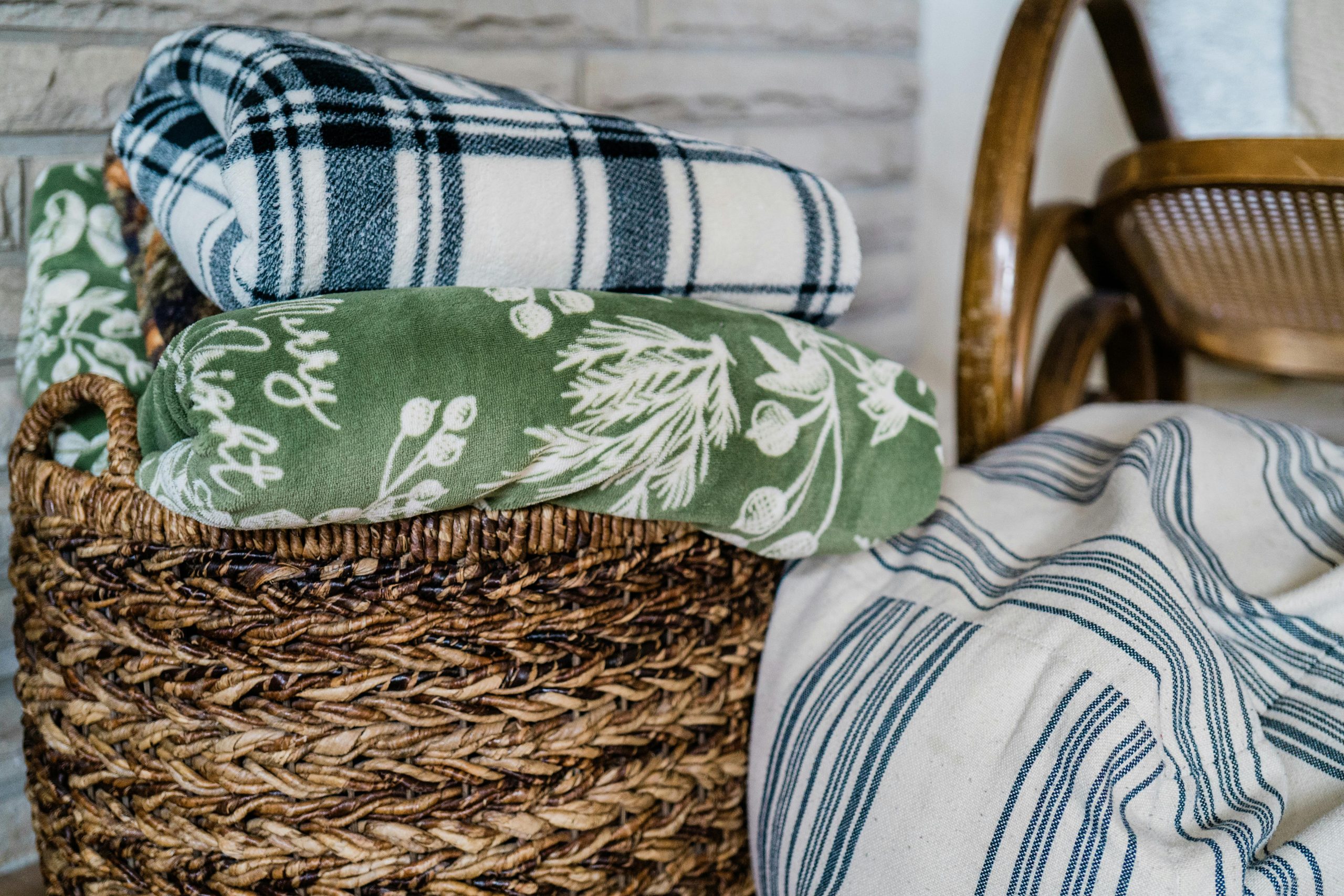
Home Smells That Start Clinging to Clothes and Containers.Thick fibres, folds and long storage gaps make blankets and throws odour magnets. In many U.S. living rooms, throws are stored in baskets, ottomans, closets or guest-room shelves where little air moves. They may smell like a fireplace, pet odour, damp air, dust, or old storage and may not appear dirty. The error is to think that “folded” means “fresh.” If you unfold a blanket and it smells like it’s been stored, it’s often a sign that the storage location, not just the material, needs attention.
Pantry Shelves That Feel Stale
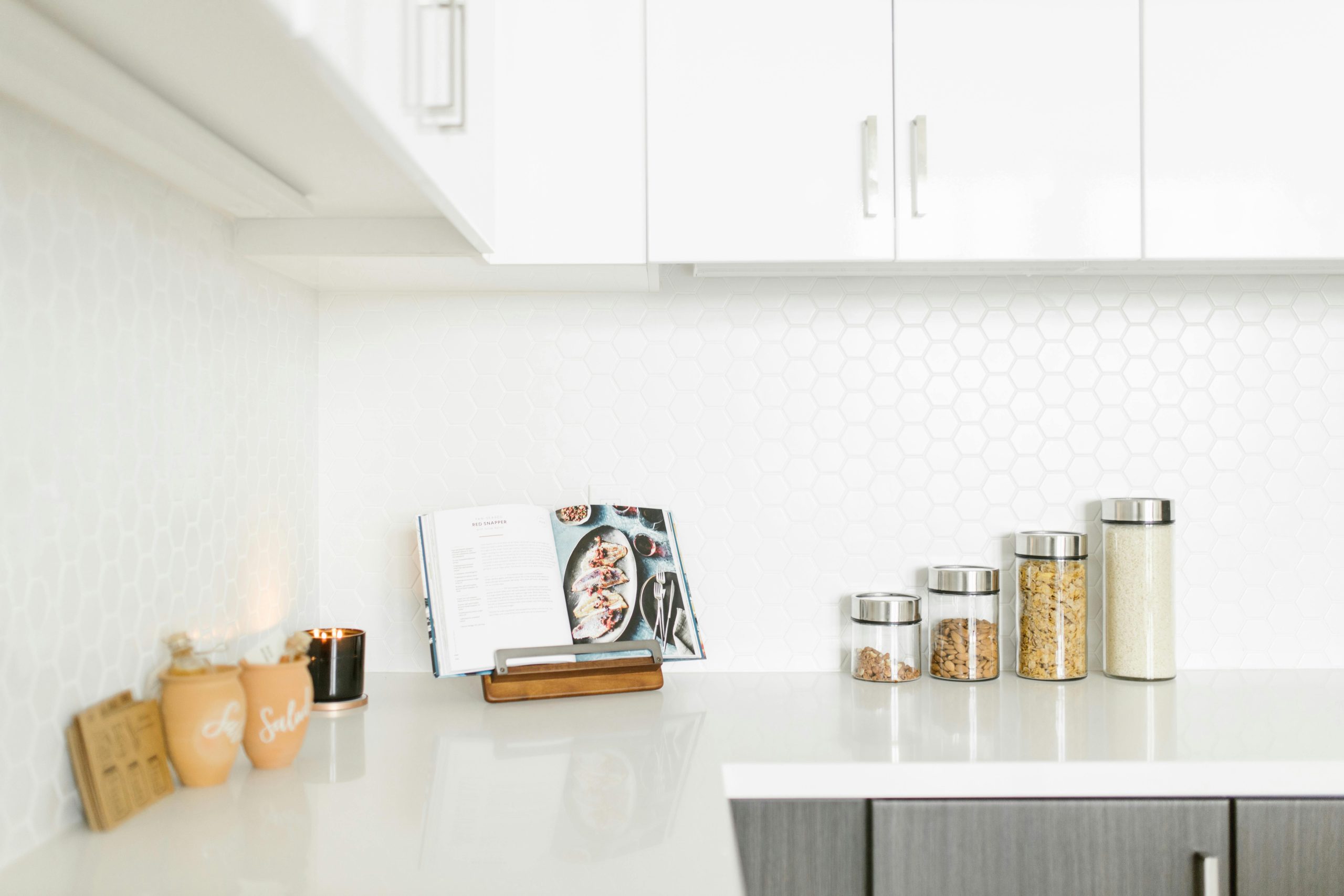
Old pantries can give clean containers and boxes an old odour.It’s easy to overlook pantry shelves, since they don’t usually look dirty. But older cardboard boxes, paper bags, spice jars, plastic lids and older dry goods can absorb a stale cabinet odour. Grocery run, new containers against older packaging already soaked up scent. The telltale sign for many American kitchens is a shelf that smells “flat” when opened, even if nothing is visibly spoilt. The stale smell can transfer to reusable containers, lunch boxes and pantry baskets stored nearby.
Upholstery That Traps a House Smell.
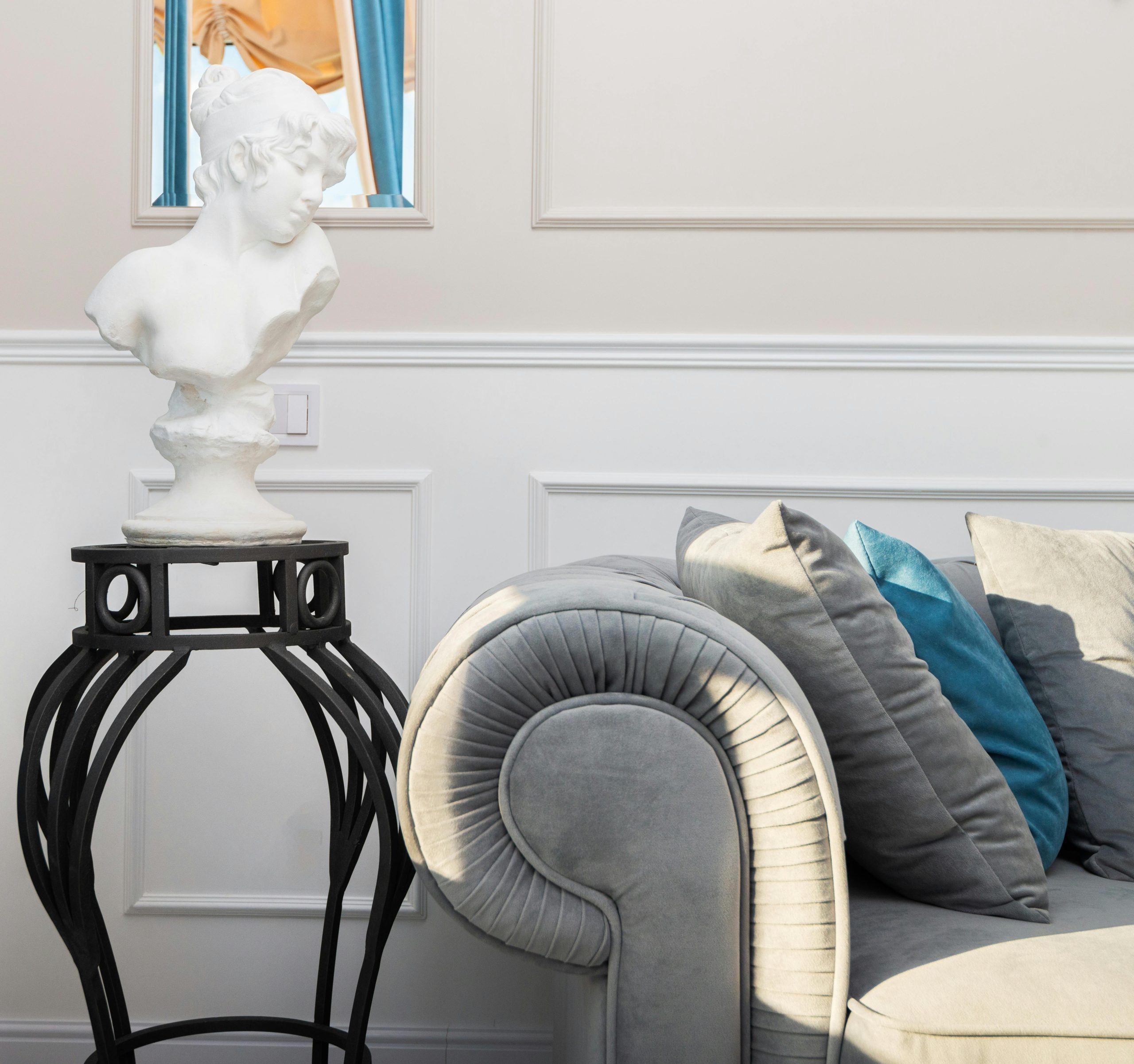
Sometimes the house smell is no longer in the air — it is in the couch.Upholstery is one reason a room can smell stale, even with the windows open. Fabric couches, dining chairs, ottomans, and cushioned benches can hold odours from cooking, pets, humidity, dust and air from closed rooms. You can smell it in many family rooms across the United States when a person sits down, shifts a cushion or pulls a blanket off the couch. That doesn’t mean the couch is necessarily ruined, but it does mean soft surfaces may need attention beyond floors, vents and airflow.
Curtains That Hold Onto Damp Air

Even if the floor looks clean, the curtains can make the room smell damp.You can forget about curtains because they hang in the background, but they’re right there where the air, dust, sunlight, window condensation and humidity come together. In older homes, rental apartments and humid U.S. regions, curtain fabric can hold a damp or stale odour long after the room is cleaned. A stronger smell at the window or when you move the curtain is the clue. If the smell is new or is very strong, you should check the sources of moisture very carefully, not in a panic.
Cardboard Boxes That Soak Up Odor

It could be the cardboard box that is making stored items smell like the basement.Cardboard boxes are a tried and true American storage hack, but cardboard can soak up the smell of wherever it sits. Cardboard can soak up moisture, dust, mustiness, the smell of old wood, or odours from pests in garages, basements, closets and spare rooms. Then the smell moves to holiday linens, extra blankets, kids clothes, pantry overflow or plastic containers kept inside. The box may look innocent, but when you open it, if it smells stale, so do the contents.
Towel Closets That Spread It to Clean Linen
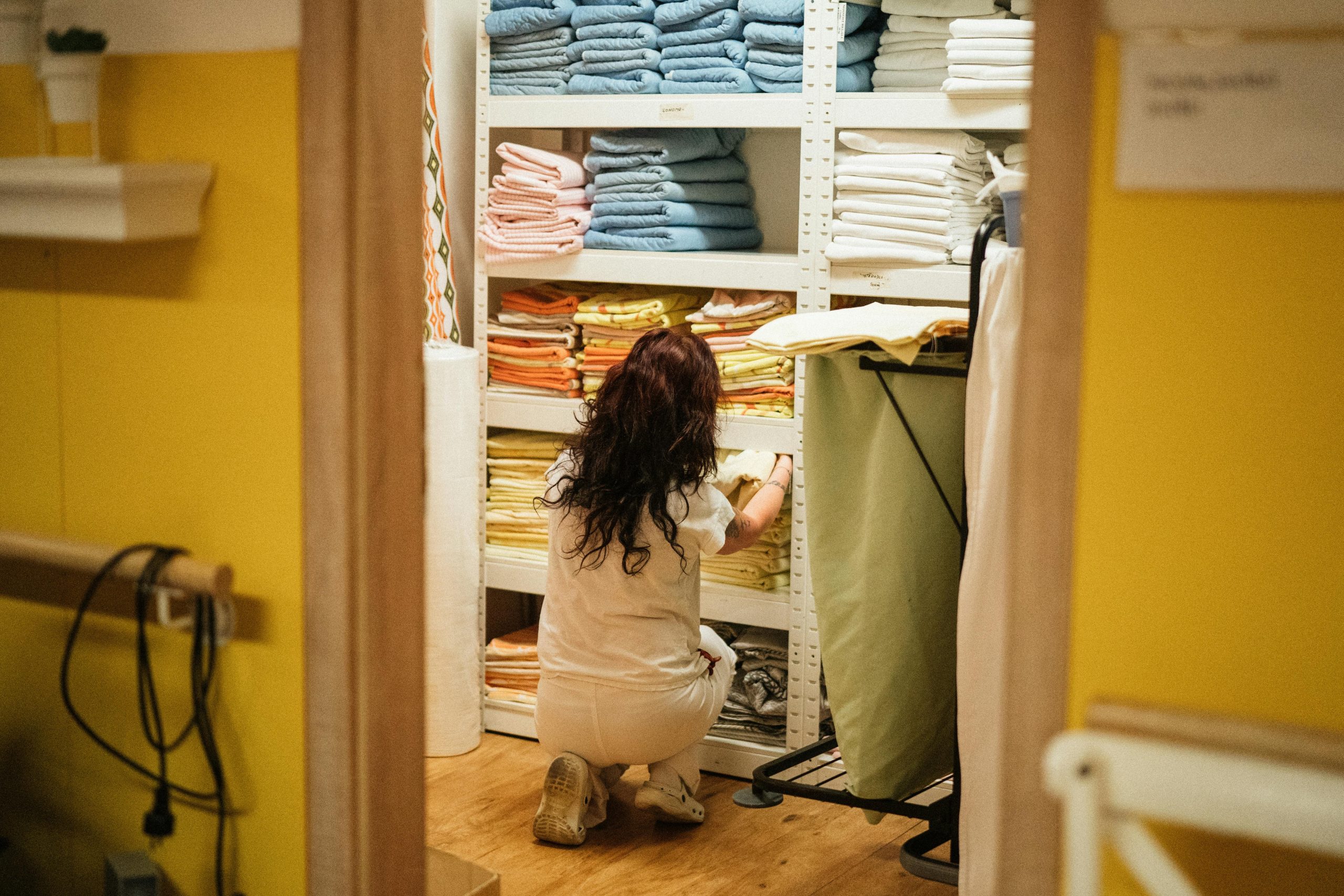
Your fresh towel closet might be spreading the smell you keep washing out.A towel closet can smell musty with clean linen if the shelf itself, the air inside or one slightly damp item is carrying odour. People in the community often complain that when they wash their sheets and towels they still smell awful. Laundry experts also suggest towels need to be thoroughly dried before being put away, and a buildup of detergent or fabric softener can lead to lasting smells. The closet is the secret transfer point in many U.S. homes: towels, washcloths, sheets, guest linens all take a hit when one shelf is stale
Food Containers That Come Back Smelling Like the Room.

It might not be the leftovers that’s the problem, it might be the cabinet.Food containers are a pain; they smell clean after washing then smell stale when pulled from a cabinet days later. Plastic lids, silicone seals, scratches, trapped moisture, and a closed cabinet air can trap odours. Containers stored in typical American kitchen areas near pantry items, trash pullouts, under-sink areas, or older cabinets may again absorb a room odour. The payoff? If the containers always come back smelling wrong, look at the storage spot, not just the dishwashing routine.

