Small bathroom problems often begin quietly: a cracked caulk line, a slow drain, a dusty fan, a soft spot near the tub or a faint water mark that looks too small to matter. These little clues can be easy to ignore in many U.S. homes because the bathroom still looks usable. But left too long, moisture, poor airflow, loose seals and hidden leaks can mean bigger repair bills. In this gallery, you’ll learn about overlooked bathroom warning signs that could help homeowners and renters catch problems earlier, ask better questions and prevent a tiny bathroom clue from becoming a costly repair surprise.
Cracked Caulk Around the Tub
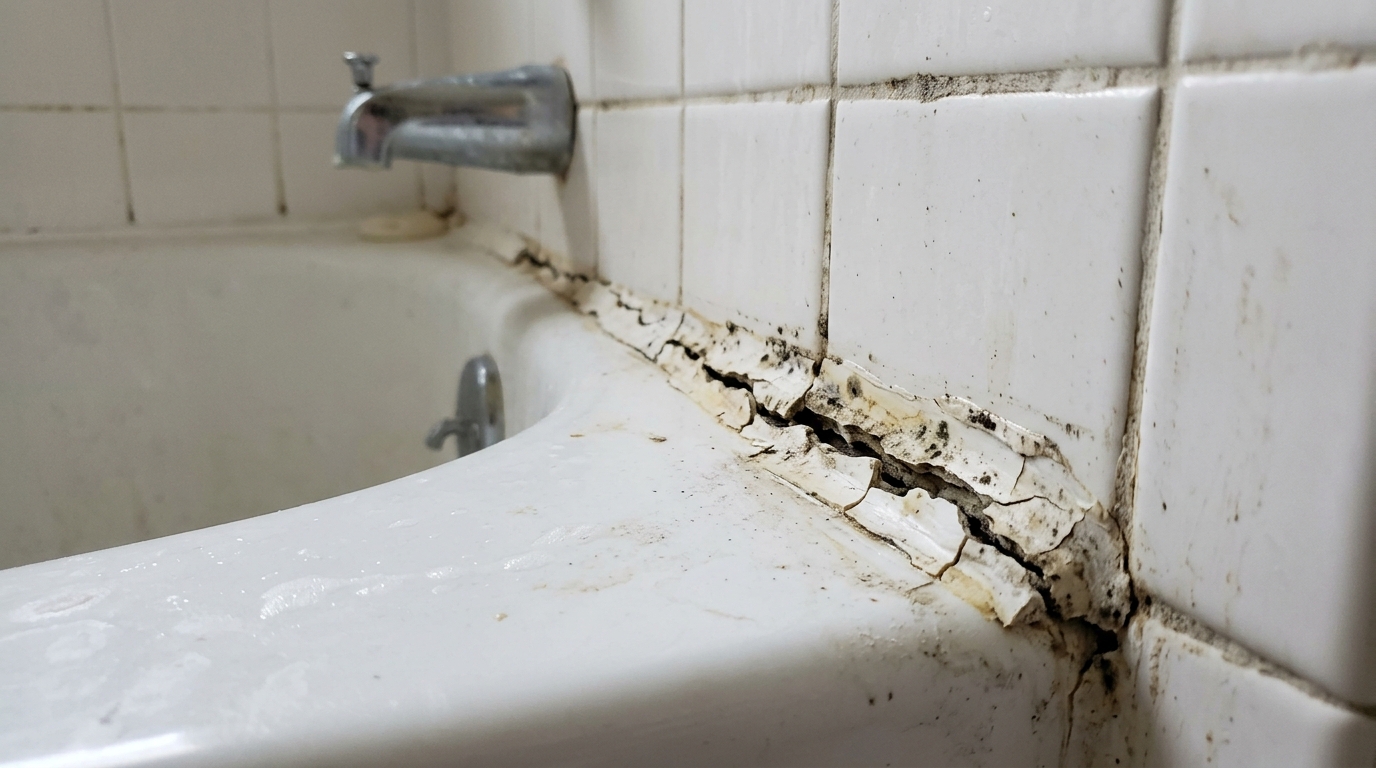
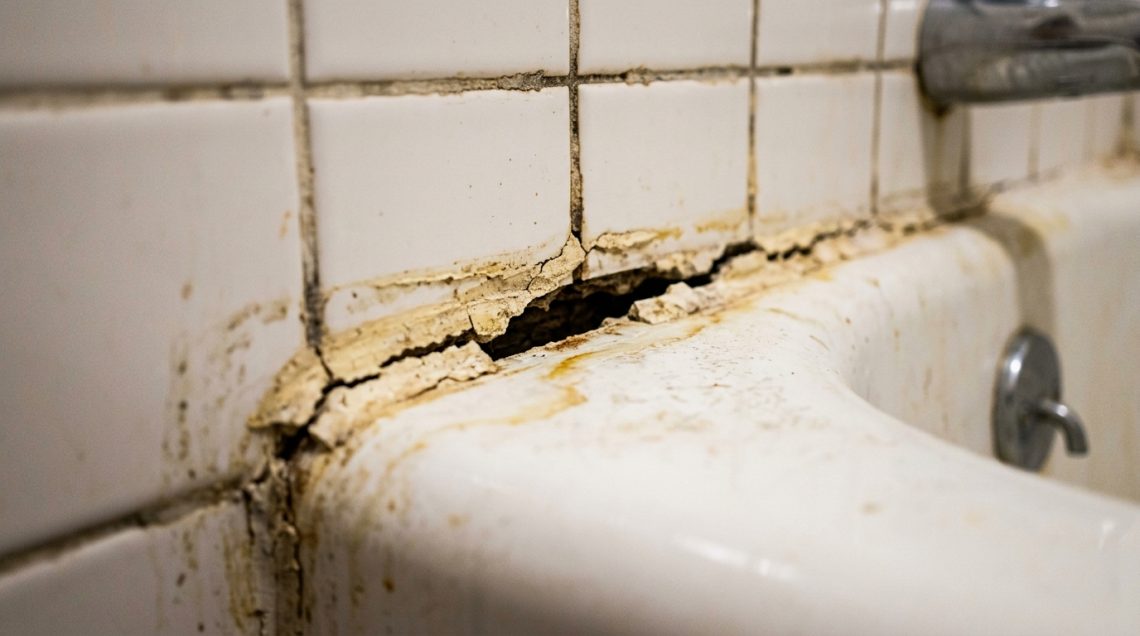
That little crack next to the tub may be more than cosmetic.When caulk cracks around a bathtub, shower base or sink backsplash, water can seep into places homeowners seldom see. A single small opening may not cause a disaster overnight, but the constant splashes from showers, kids’ baths or everyday sink use can slowly get to plasterboard, trim, flooring or the subfloor. The warning sign is often a split line, peeling edge, dark staining or caulk that pulls away when touched. It’s worth checking in older homes and rental apartments; moisture damage often grows quietly before it becomes obvious. Early re-caulking is usually a lot cheaper than fixing softened walls or floors later.
A Soft Spot Near the Toilet or Tub
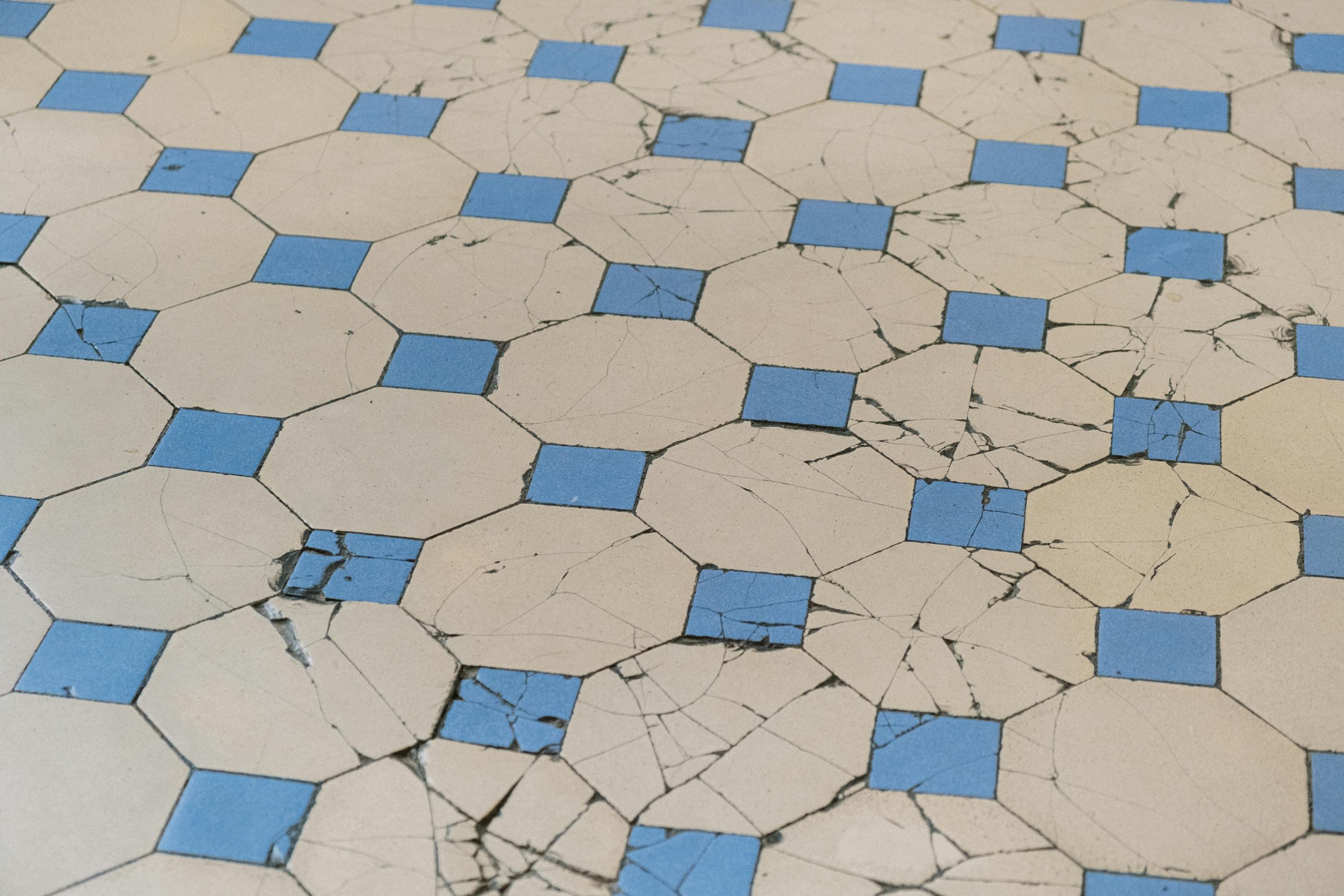
The floor of your bathroom should not feel spongy when you step near the toilet.A soft, bouncy or slightly sunken area near the toilet, tub or shower can be a quiet warning sign. American bathroom floors hide many layers beneath the tile, vinyl, laminate or sheet flooring. If a toilet seal, tub edge or shower splash zone has been leaking water, the subfloor may weaken slowly. The surface may look mostly normal, and that’s why this clue is missed. Look for flooring that flexes, edges that curl, tile that moves, or a musty smell near the base. That does not always mean a major repair, but it’s worth checking sooner rather than later before water damage spreads.
A Slow Drain That Keeps Coming Back
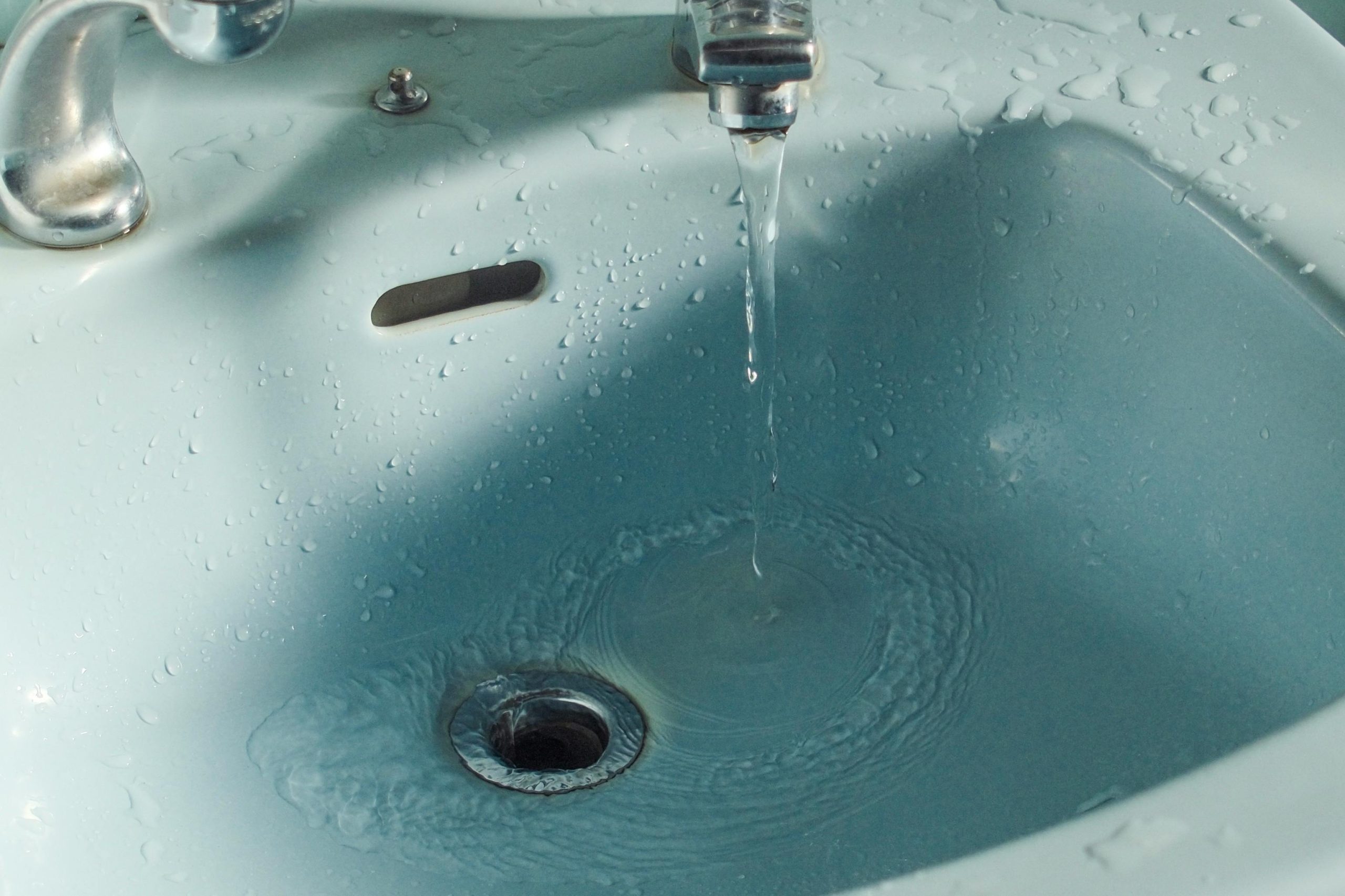
If the same drain keeps getting slow, it’s possible you’re dealing with more than just a clog.A slow bathroom drain is easy to blame on hair, soap or toothpaste, and often that is exactly the issue. But if the same washbasin, tub or shower keeps slowing down even after basic cleaning, it may need more attention. Soap scum buildup, narrow older pipes, stuff caught in the pop-up stopper and drainage problems farther down the line cause many U.S. bathrooms to have repeated clogs. Stronger signs are gurgling, sewer-like smells or water backing up in another fixture. Avoid repeated use of harsh chemicals because they can be tough on some plumbing. A simple drain hint can cost a lot if it points to a bigger blockage.
Dust Packed Into the Bathroom Fan
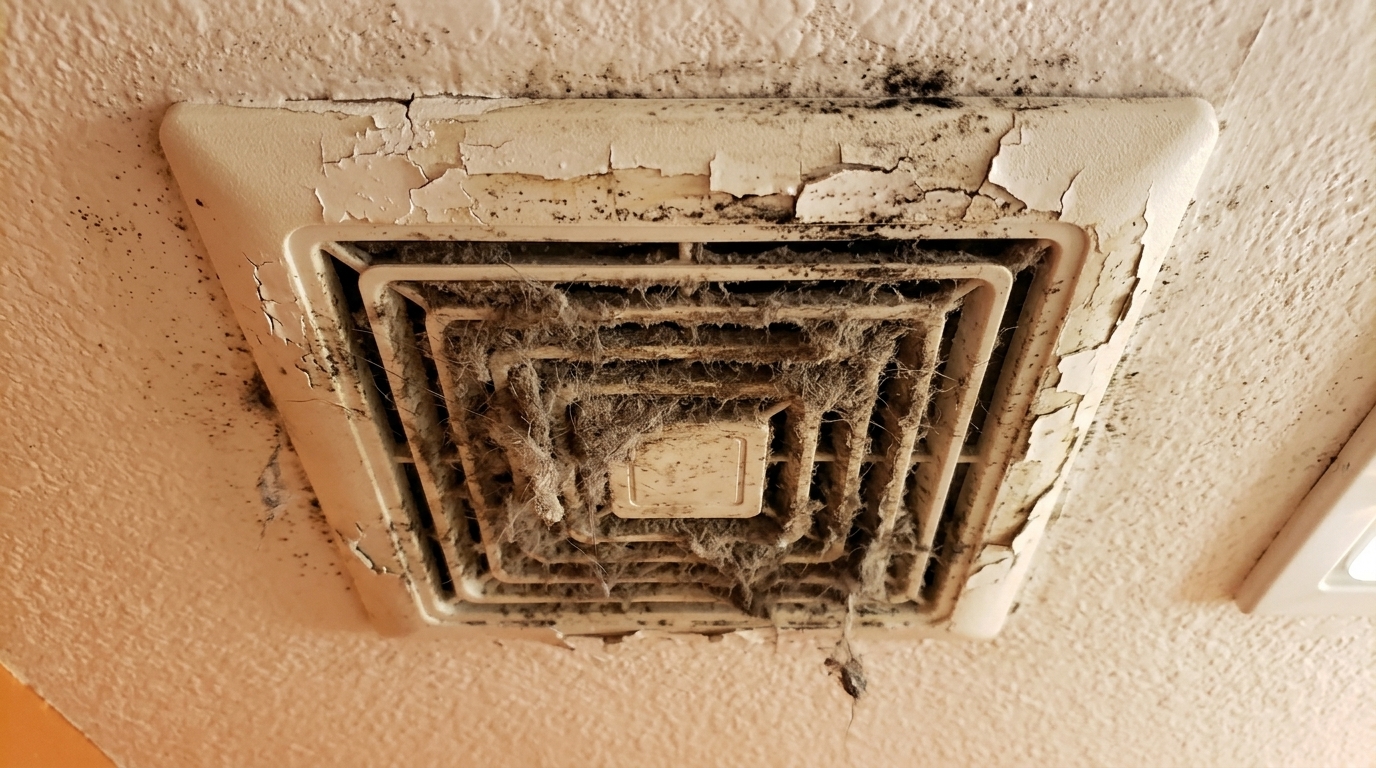
A dirty bathroom fan can cause moisture problems to get worse without making much noise.Bathroom fans are mounted high above eye level, so they’re easy to ignore. But a grille packed with dust can cut down on airflow. That fan helps remove steam after showers in many U.S. homes, especially those without windows in bathrooms. Dust, lint or grime can block the cover and in so doing, make moisture linger longer and increase the chance of peeling paint, mildew, swollen trim or musty smells. A noisy fan that does not move much air may need cleaning or inspection. A handy quick test: does the mirror stay foggy after a shower? Cleaning the cover and checking the airflow is a small maintenance step that can help prevent bigger moisture problems.
Water Spots on the Ceiling Below
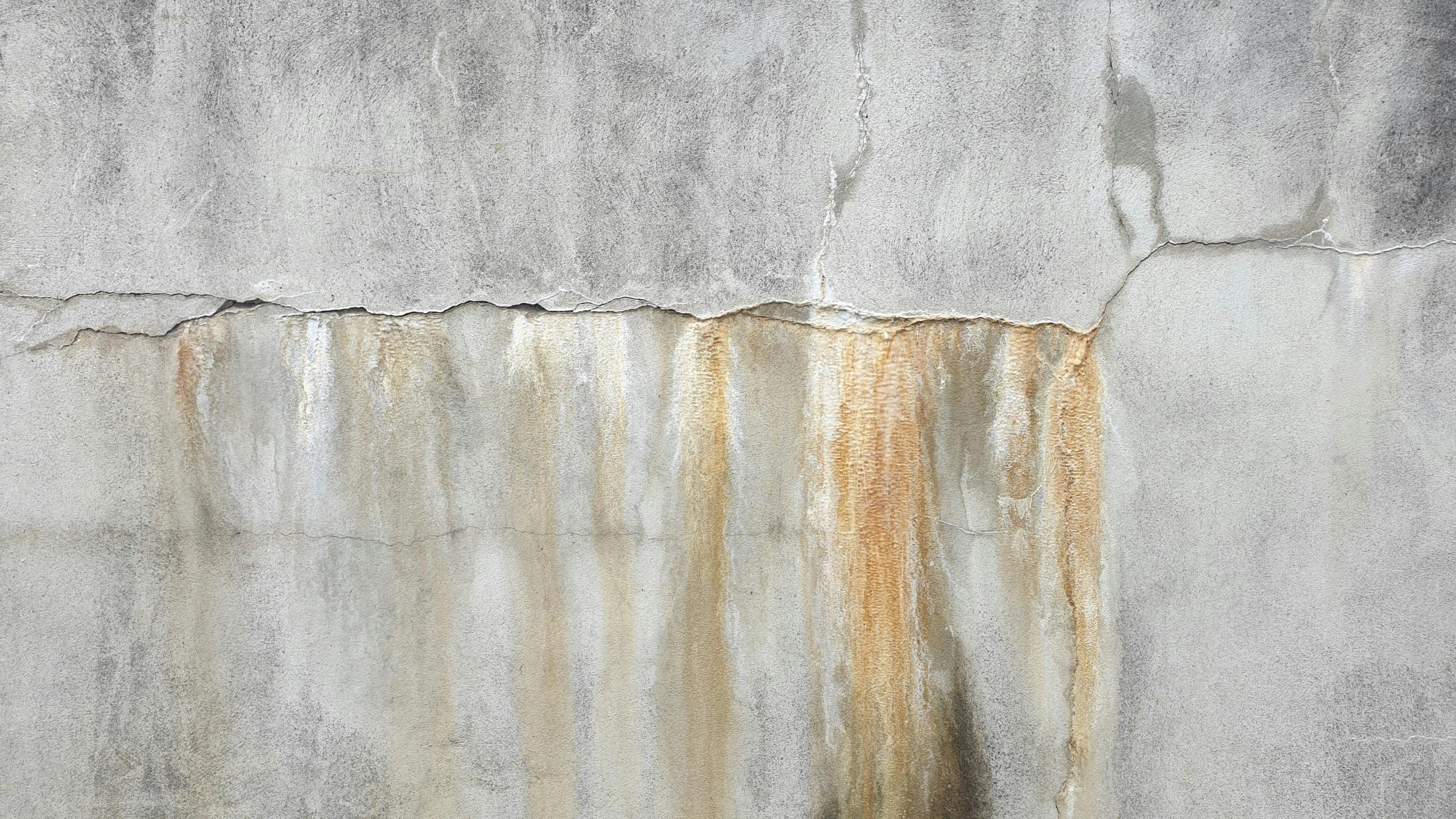
A small ceiling ring under a bathroom should not be painted over too fast.One of the clearest warnings you can get that moisture is getting out of somewhere is a water spot on the ceiling beneath an upstairs bathroom. It could be from the seal of a toilet, the overflow of a tub, the edge of a shower, a supply line of a washbasin or a drain connection. The stain may seem dry from your perspective, but that doesn’t necessarily mean the problem is gone. Most houses are stained after a number of small leaks, not a large flood. Look for spreading rings, blistering paint, soft plasterboard or darkening stains after showers or baths. Covering the mark with paint may hide the clue, but locating the source is what can keep the repair from getting bigger.
Peeling Paint Near the Shower
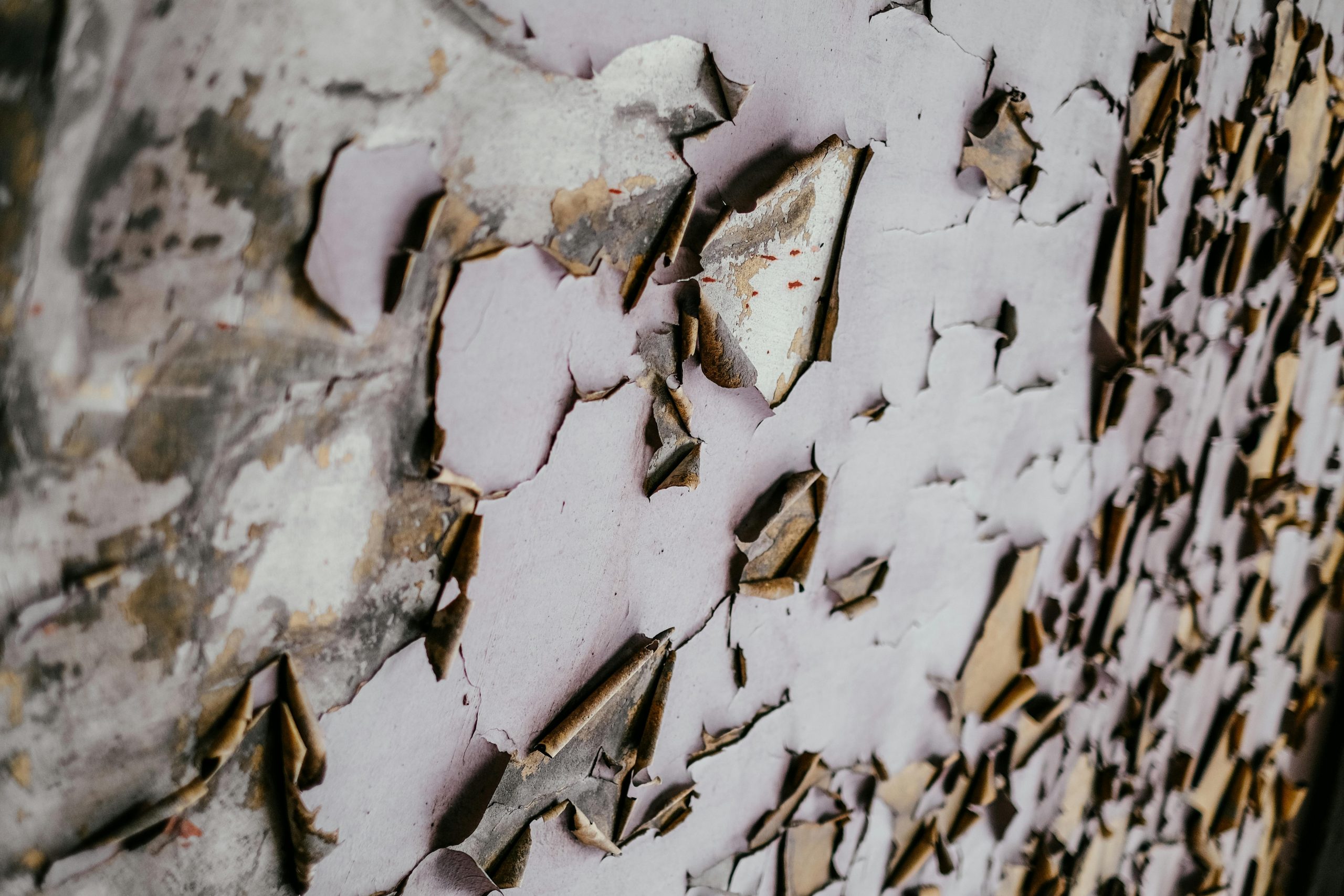
The peeling paint in your bathroom could be more than a paint quality issue.If you see paint bubbling, flaking or peeling around the shower, ceiling or window trim, it may be a sign of moisture. Steam from hot showers needs to go somewhere in the typical American bathroom. Inadequate ventilation will leave moisture on surfaces and cause the paint to lose its adhesion. Sometimes the problem is just humidity, but peeling in just one corner, one seam or one fixture can indicate a leak or bad seal. Look for recurring paint peeling after repainting, dark specks near the edge of the paint, or soft-feeling plasterboard. Using paint that is suitable for bathrooms helps, but it won’t fix trapped moisture or water behind the surface.
Stains Around the Toilet Base
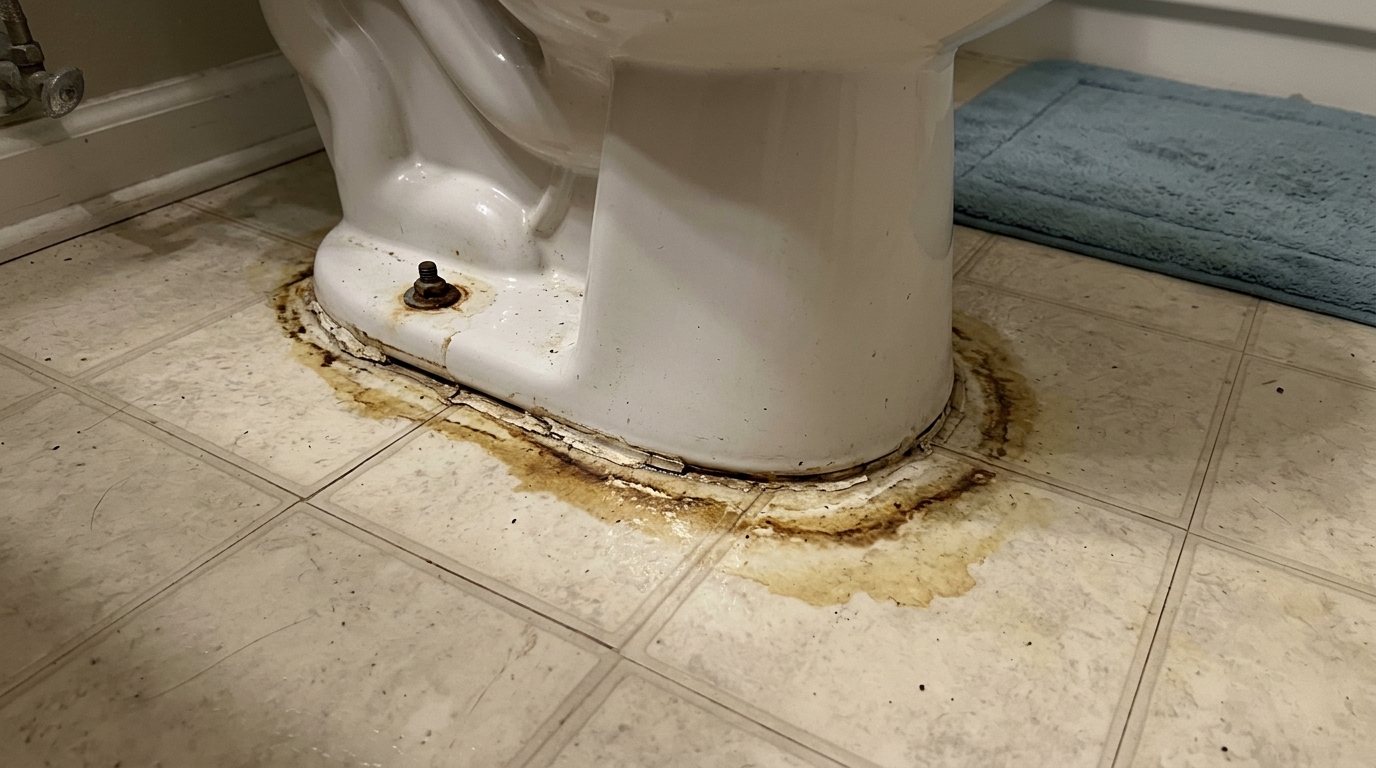
A stain around the toilet base can be a subtle leak warning.If you see a dark ring, a damp spot, loose caulk or floor discolouration around the base of the toilet, it could be a sign of a problem with the seal, condensation or small leaks in the nearby plumbing. In many U.S. homes, the toilet may seem to be working just fine as moisture slowly finds its way to the floor below. Another tip is a rocking toilet, because the movement can break the seal over time. And remember smells, soft floors, or stains that return after cleaning. Often the fix is simple but if you wait, water can affect the flooring and subfloor layers. This is one toilet sign where a little visual clue can save you a much bigger repair bill.
Mineral Crust Around Faucets
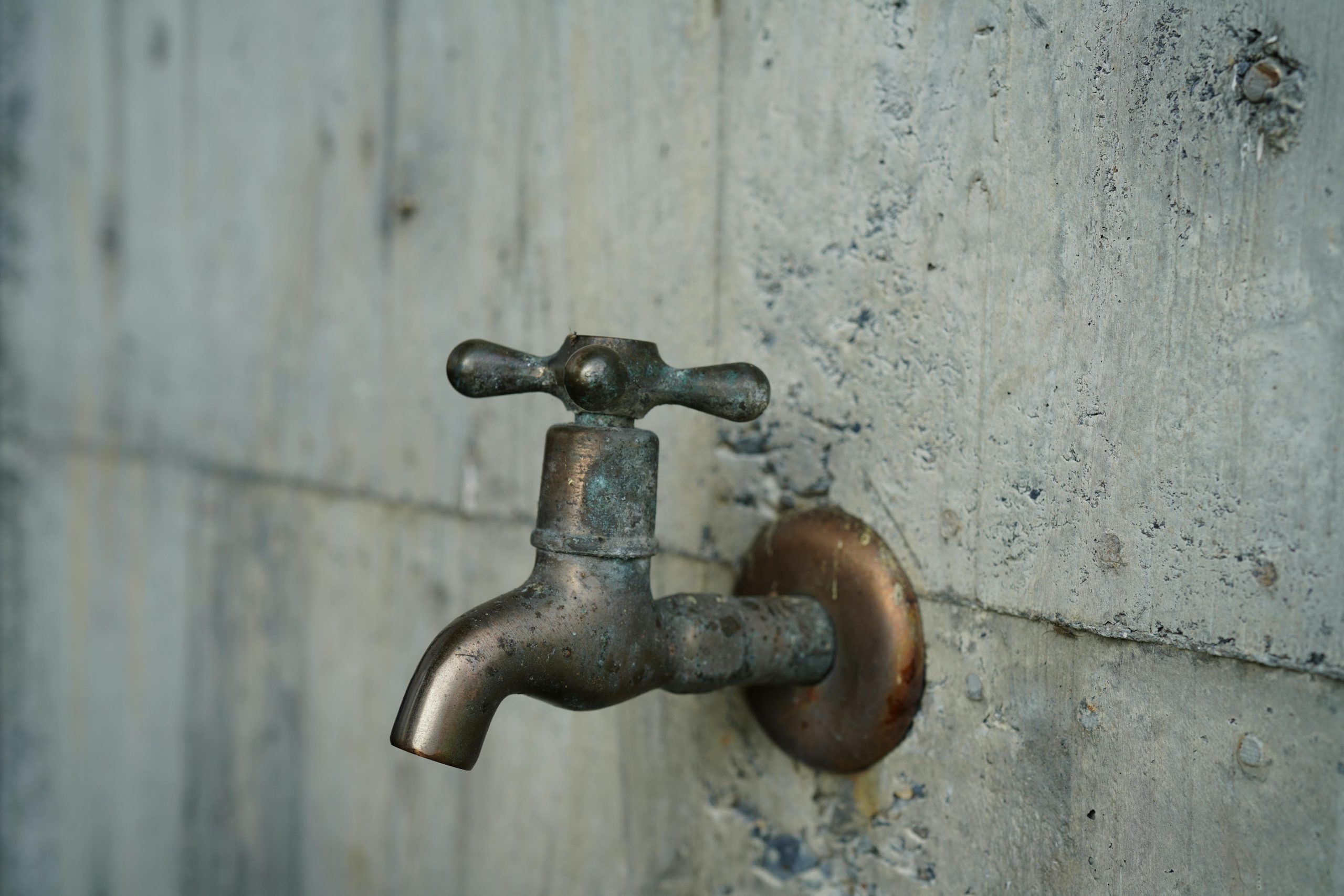
White crust around a tap is more than a cleaning problem.Many bathrooms in America, especially in places where the water is heavy in minerals, have hard-water spots. A crusty buildup around a tap base, handle or drain ring can also be an indication of where water is repeatedly sitting or leaking slowly. If the area continues to get wet after you’ve dried it, you might have a worn washer, a loose connection, or a failing seal. Look for swelling around the countertop, dampness under the sink or a musty cabinet smell. Mineral deposits themselves are not always urgent but patterns are. If the stains are reappearing in the same place, the bathroom is trying to show you where the water is leaking out little by little.
Damp Smell Inside the Vanity
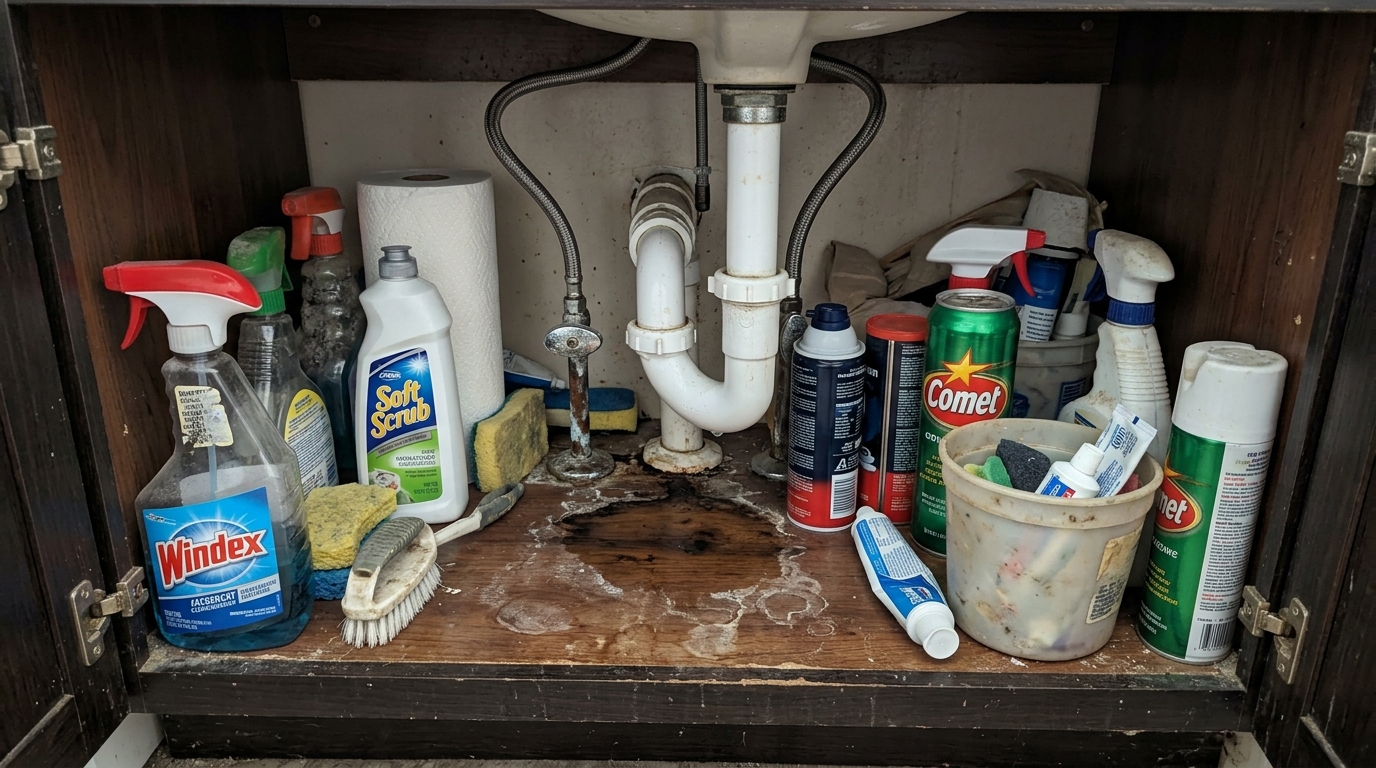
A damp smell under the sink can be the first warning even without a puddle.Under-sink cabinets hide a lot of early bathroom problems because they’re dark, cluttered and not often closely inspected. A slow drip from a supply line, drain trap, tap connection or shutoff valve may not form a visible puddle at first. Or it can leave behind swollen cabinet material, rust marks, musty odours, peeling shelf liner or damp cleaning products. This little check is important in rental apartments and older homes because hidden leaks can sit for weeks. Dry the cabinet floor, place a paper towel under the pipes and check it later. If moisture keeps coming back, the cabinet is giving you a warning to get it repaired, before the damage spreads.
Mirror Fog That Lingers Too Long
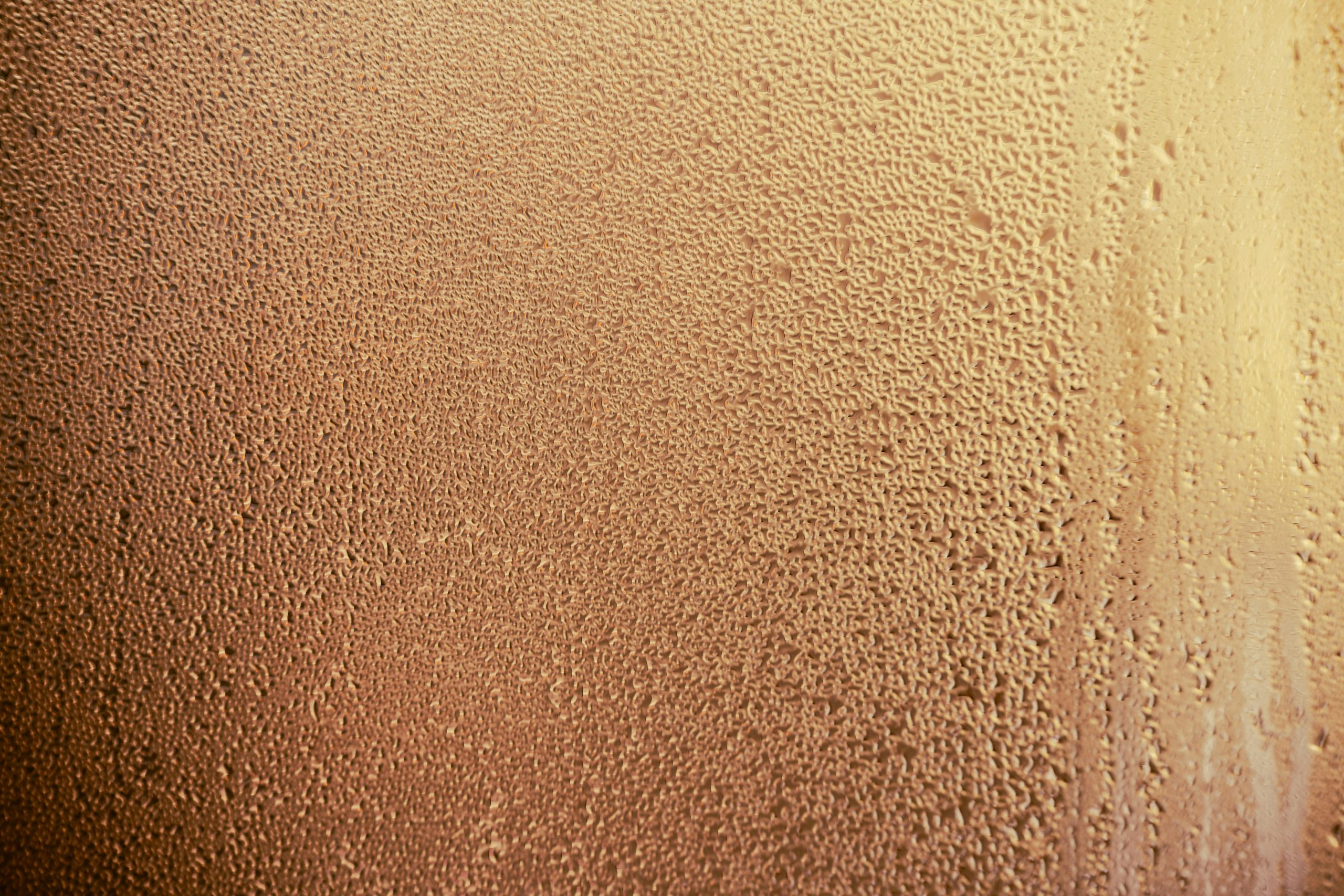
If the mirror remains foggy long after a shower, the bathroom may be retaining too much moisture.A foggy mirror is normal after a hot shower, but if the fog lingers, it’s a sign of poor ventilation. Many homes in the U.S. have small bathrooms, no windows or multiple people using the same bathroom, which can cause moisture to build up fast. If the exhaust fan is weak, blocked or infrequently used long enough, damp air can settle on walls, ceilings, towels and trim. Over time this can lead to paint peeling, mildew odours, wood swelling and caulk looking tired. A simple test is whether the room dries out in a reasonable time after a shower. Longer fan use, vent cleaning or better airflow can prevent moisture from quietly becoming a repair problem.