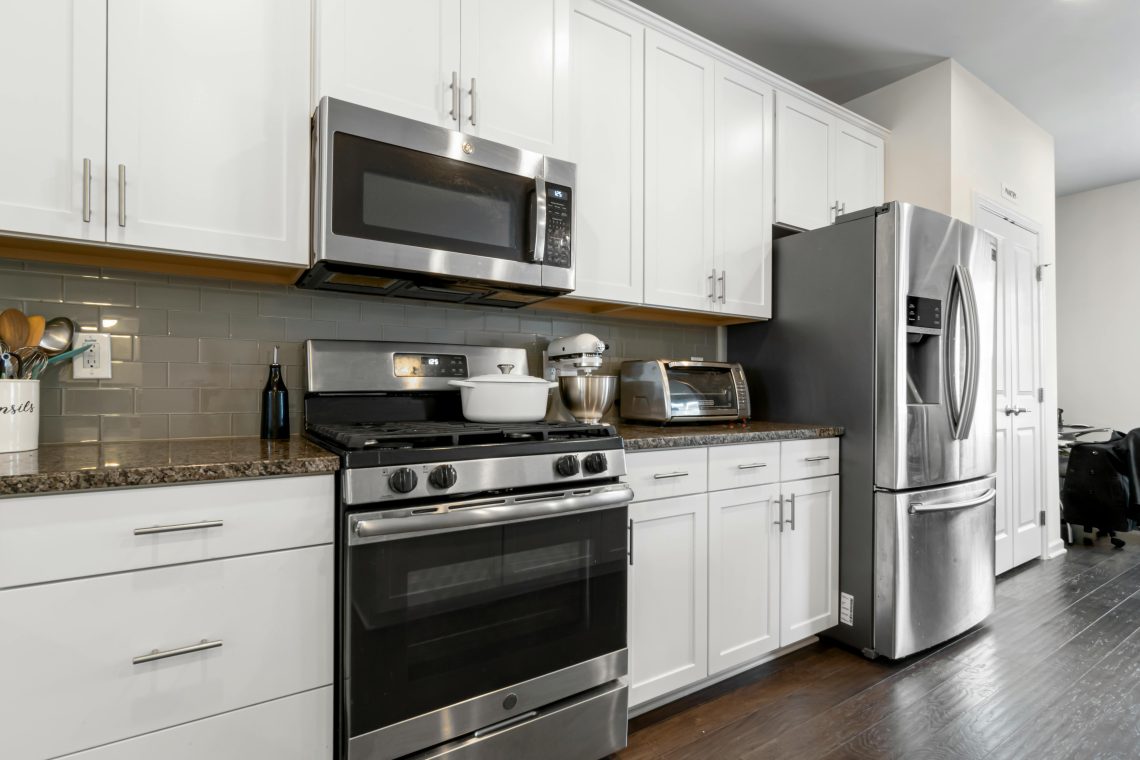
Most American homes are filled with little things that people walk by every day without realising that they were designed to solve annoying problems in the home. The tiny switch on a ceiling fan, the drawer below the oven, the holes on a pot handle, the tab on a box of foil, even the notch on a measuring cup can save time, lessen mess, protect groceries, or make a room more comfortable, all without drawing attention. These hidden home features are often right in front of us in kitchens, bathrooms, laundry rooms, garages and rental apartments, but few people ever use them as they were meant to be used. When you see these hidden uses, regular household items can suddenly seem surprisingly useful.Most people miss this because the details seem too mundane to matter. Many of the smallest buttons, slots, tabs, holes and drawers in many homes in the U.S. are considered random design choices. In fact, many were added for a reason. If you know what they’re doing, the chores of everyday life seem less irksome.It’s an everyday thing that seems normal until someone points it out. If no one ever taught you to use it, a kitchen cabinet, laundry room shelf, bathroom fixture or garage tool may have a hidden feature built into it, but it becomes invisible. That’s why these little household details can be the perfect “I never knew that” moment.
The Tiny Tabs on Aluminum Foil and Plastic Wrap Boxes

The clue is usually printed directly on the box but many still miss it. Many foil, parchment paper, wax paper and plastic wrap boxes have little push-in tabs on the sides. You can push them in to help hold the roll in place so it doesn’t fly out when you are pulling a sheet across the counter.It looks like packaging waste, but can actually prevent a kitchen headache. Those tabs could save you from a struggle with a roll that pops out, rips unevenly or drags along the floor after a grocery trip or during meal prep. It’s a little feature, but in a busy American kitchen, little features can seem surprisingly useful.
The Hole at the End of a Pot Handle
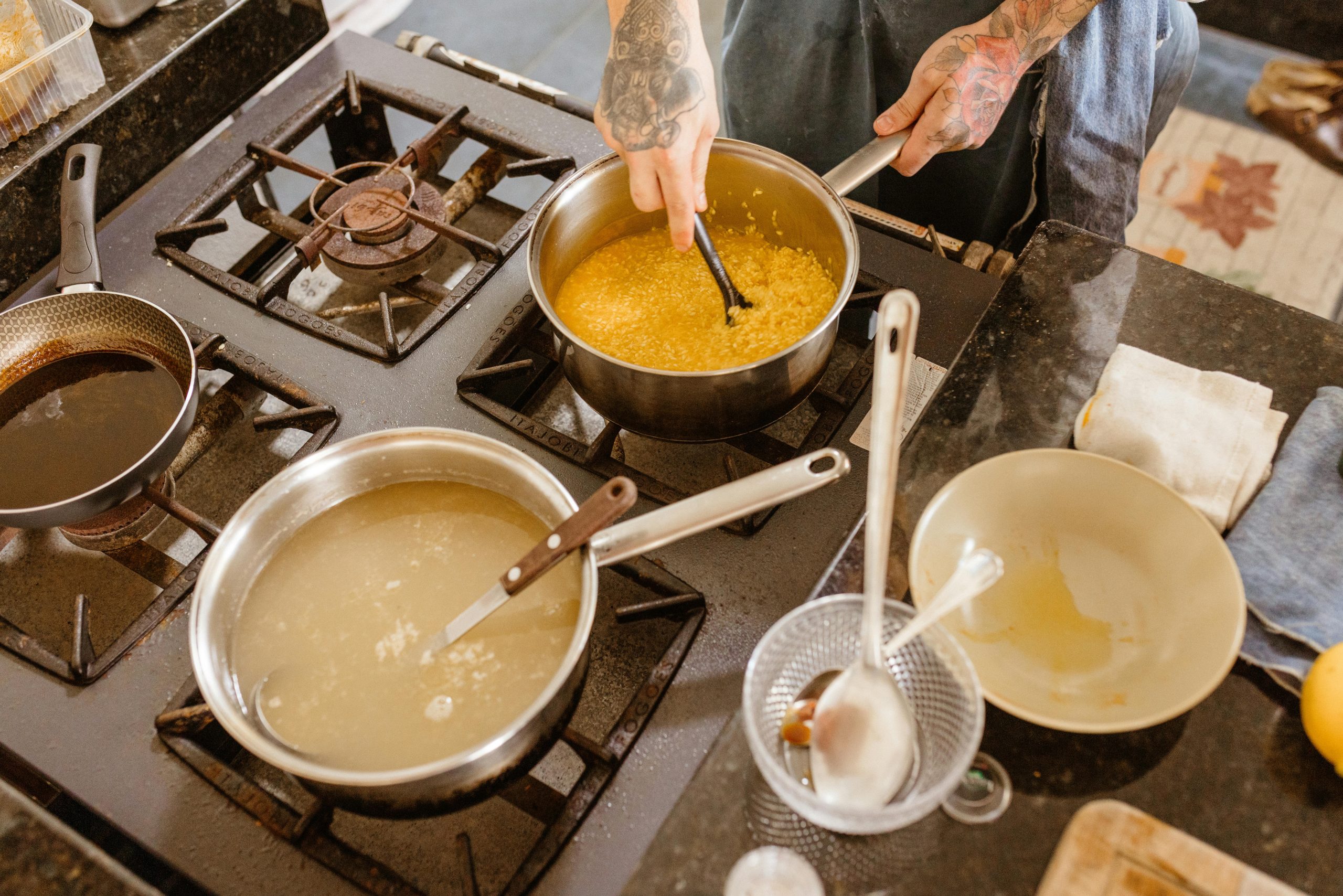
And it usually is. This is a hanging hole. Many pots and pans have a tiny hole at the end of the handle so they can be hung from a rack, pegboard or cabinet hook. But in many kitchens, that very hole can also serve as a handy spoon rest while cooking.That little trick might just save the counter from rings of sticky sauce. Balance a spoon through the handle hole and it will rest near the pot instead of dripping onto the hob, cutting board or counter. It won’t work perfectly with every shape of pot or spoon, but when it does, it’s one of those little kitchen tricks people remember.
The Drawer Under the Oven
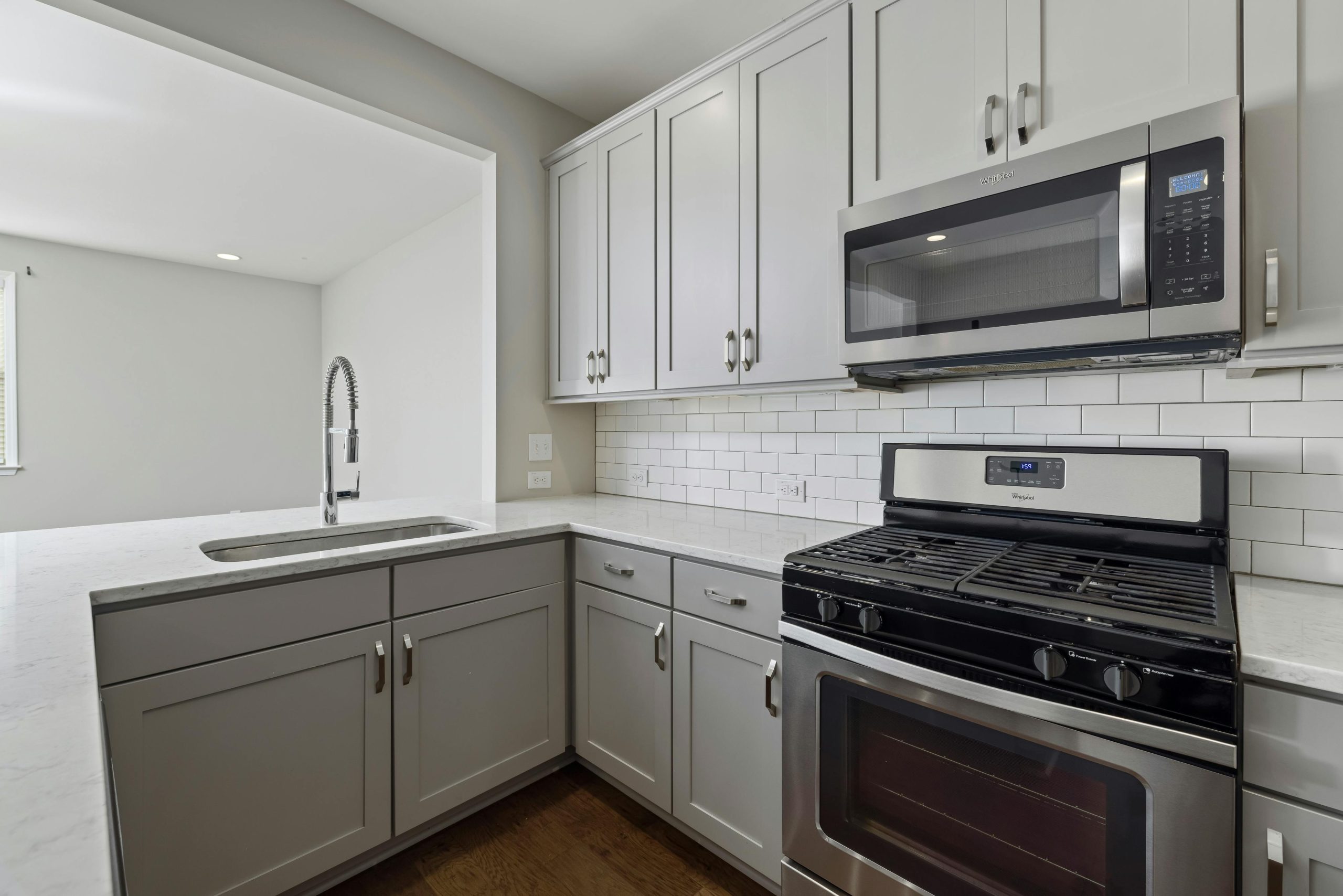
Most people use this space as a pan graveyard without peeking inside the appliance. The drawer under the oven is the default storage space for baking sheets, muffin tins, grill pans and miscellaneous lids in many American kitchens. But that drawer may have been designed, depending on the model, as storage, a warming drawer or even as a grill area.The useful part is not to guess, it is to verify. Some ovens have a clear label on the manual or on the appliance for the lower drawer. If it’s a warming drawer, it might keep food warm before dinner. If it is a grill, it would be a mistake to store plastic items or delicate pans there. Here is one little known use that a quick manual check can save you from being confused.
The Ceiling Fan Switch People Forget to Flip

A little switch can change the feel of a whole room. Many ceiling fans have a direction switch that determines whether or not the blades push air down or pull air up. In warm weather, many people want a cooling breeze to come down. During colder months, setting the fan to low and reversing it can help move warm air that tends to collect up near the ceiling.This is easy to overlook as the fan still works in either case. People will leave the fan set one way for years, in older homes, in rental apartments, in bedrooms in the suburbs. The secret use is not some kind of magic, but it can help make a room feel more comfortable, and might help the HVAC system work more evenly in some homes.
The Fridge Humidity Slider in Produce Drawers
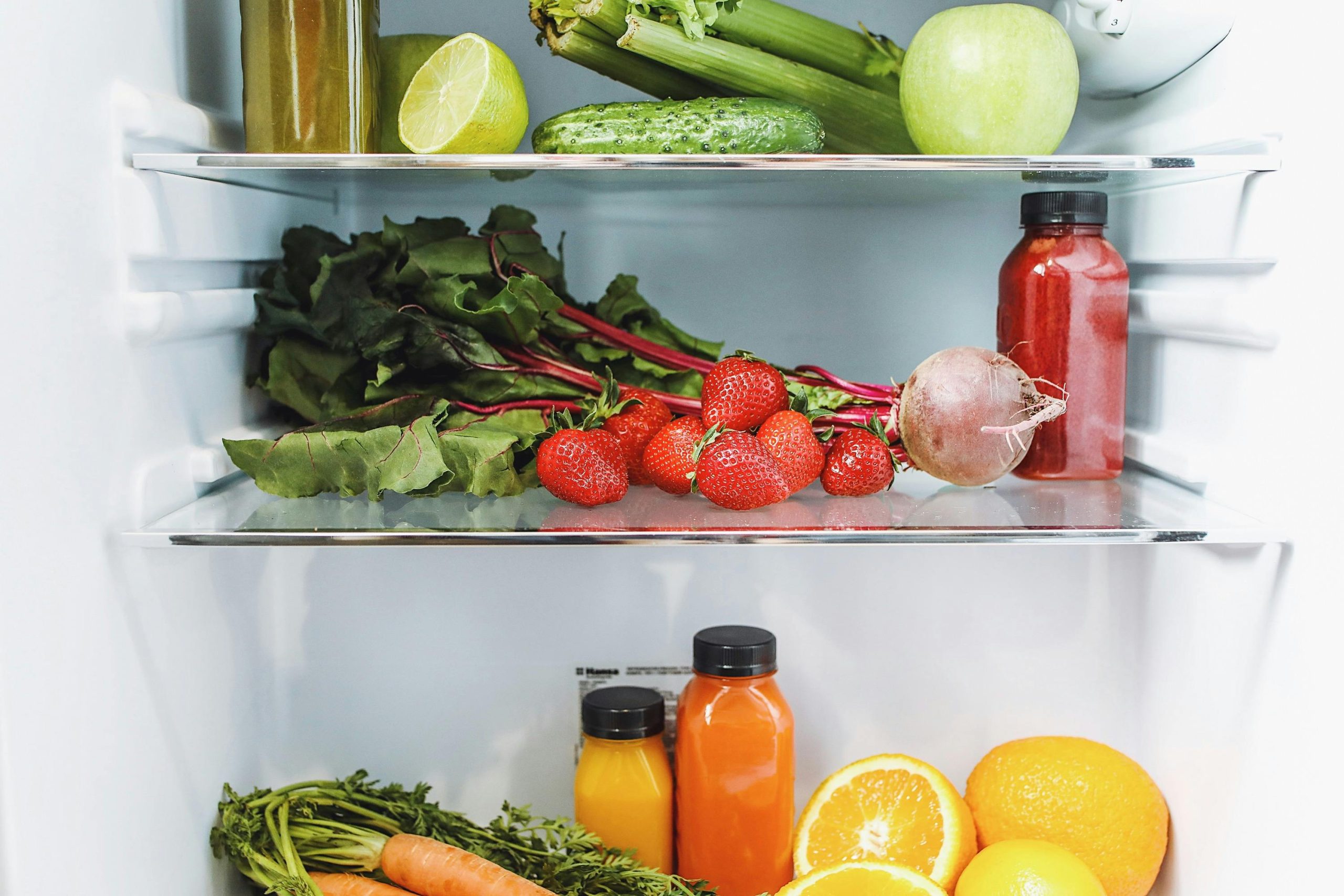
The secret detail is sitting next to the groceries that people are trying not to waste. Many refrigerator produce drawers have a humidity slider, but it’s usually left in the middle forever or ignored. The slider is usually used to control how much moisture is kept inside the drawer.This can be important after a big grocery run. Leafy greens like more humidity, and fruits that produce more ethylene gas might need more air circulation. The specific settings vary by fridge, but the big takeaway is a simple one: that slider isn’t decoration. One of the most easily overlooked tools for cutting down on limp lettuce, soft produce and wasted grocery money.
The Notch on Measuring Cups and Some Pan Handles
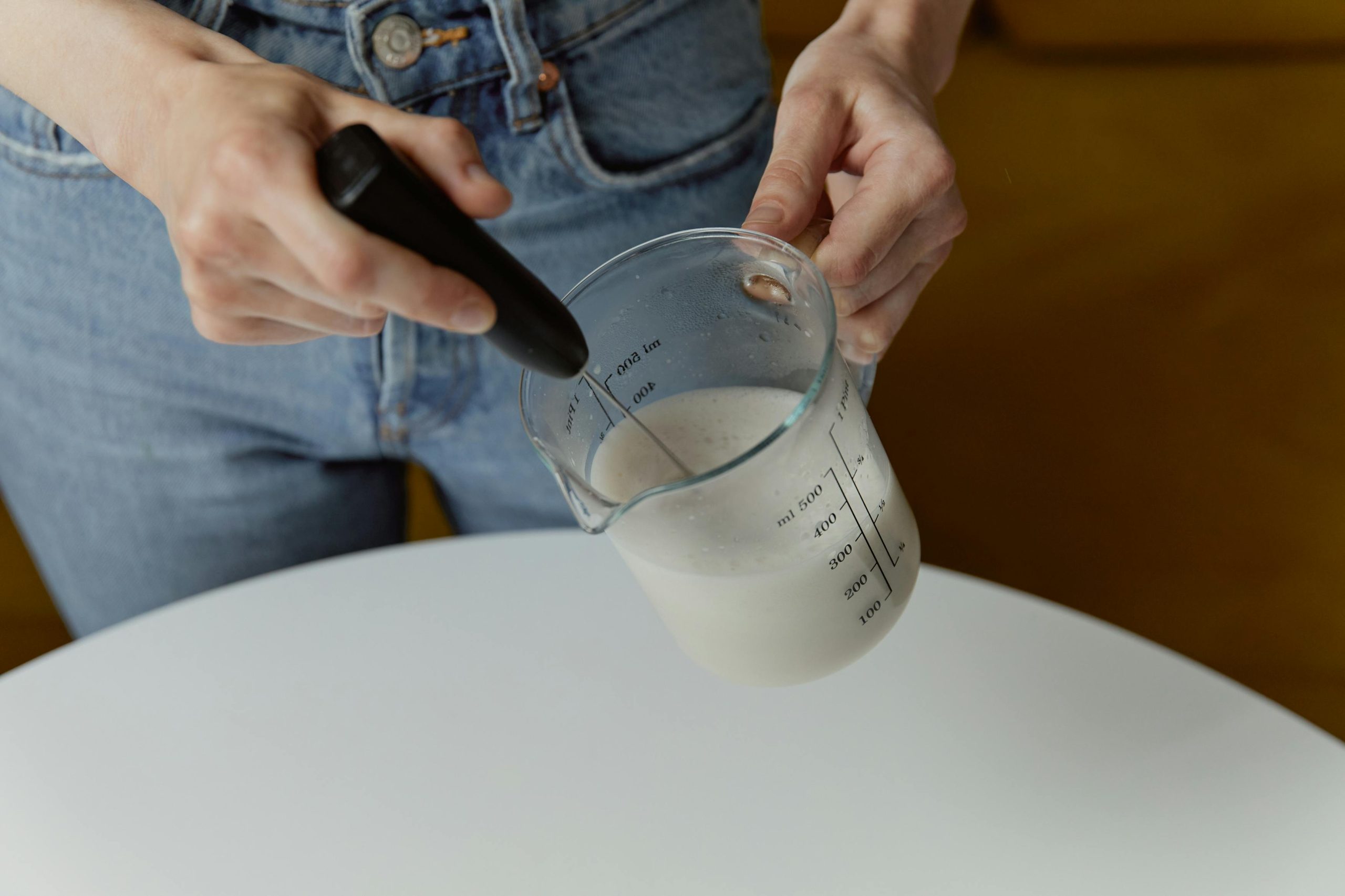
One feature of mess control may be a choice of shape. Many measuring cups, mixing bowls and some pans have a small notch, lip or spout to help guide liquid. It can help you pour broth, batter, melted butter or sauce more neatly instead of running down the side.Mistake is to treat every container as a regular bowl. Messy pours in the average American kitchen mean sticky counters, stained stove tops, and more paper towels. The built-in notch can make a small but noticeable difference, especially when cooking quickly on weeknights.
The Bathroom Sink Overflow Hole
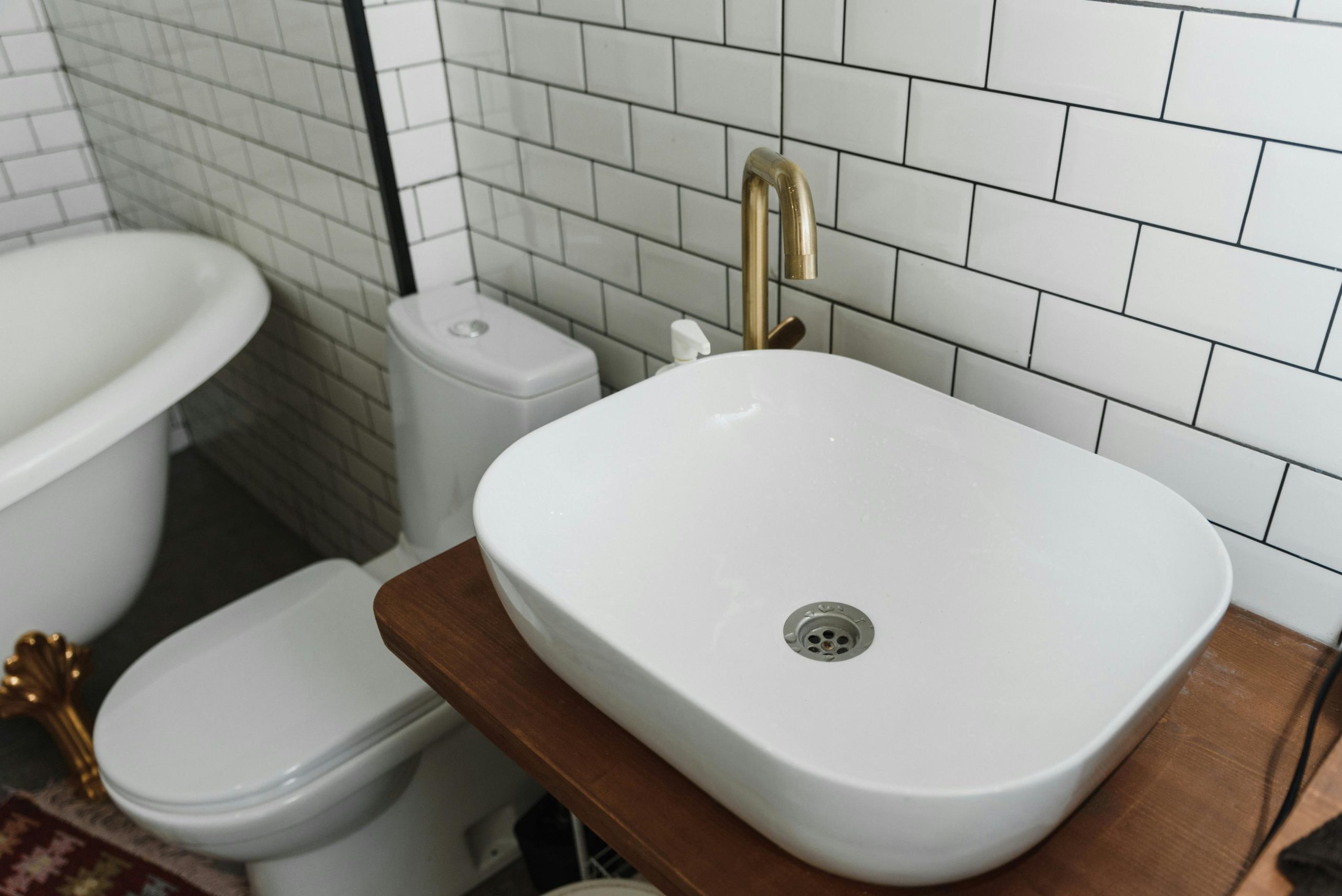
That little hole at the top of the washbasin isn’t just a random mark. Many bathroom sinks have an overflow hole to help keep water from spilling over if the drain gets blocked and the tap is left on. It can also help to move air through the drain system as the water drains.What people forget is that it can get messy. In lots of suburban bathrooms and rental apartments, toothpaste splatter, soap film and moisture can gather around that opening. It doesn’t call for panic, but it does merit some occasional attention in normal cleaning, so that the washbasin doesn’t pick up stale smells or hidden grime.
The Slot in a Cutting Board Handle
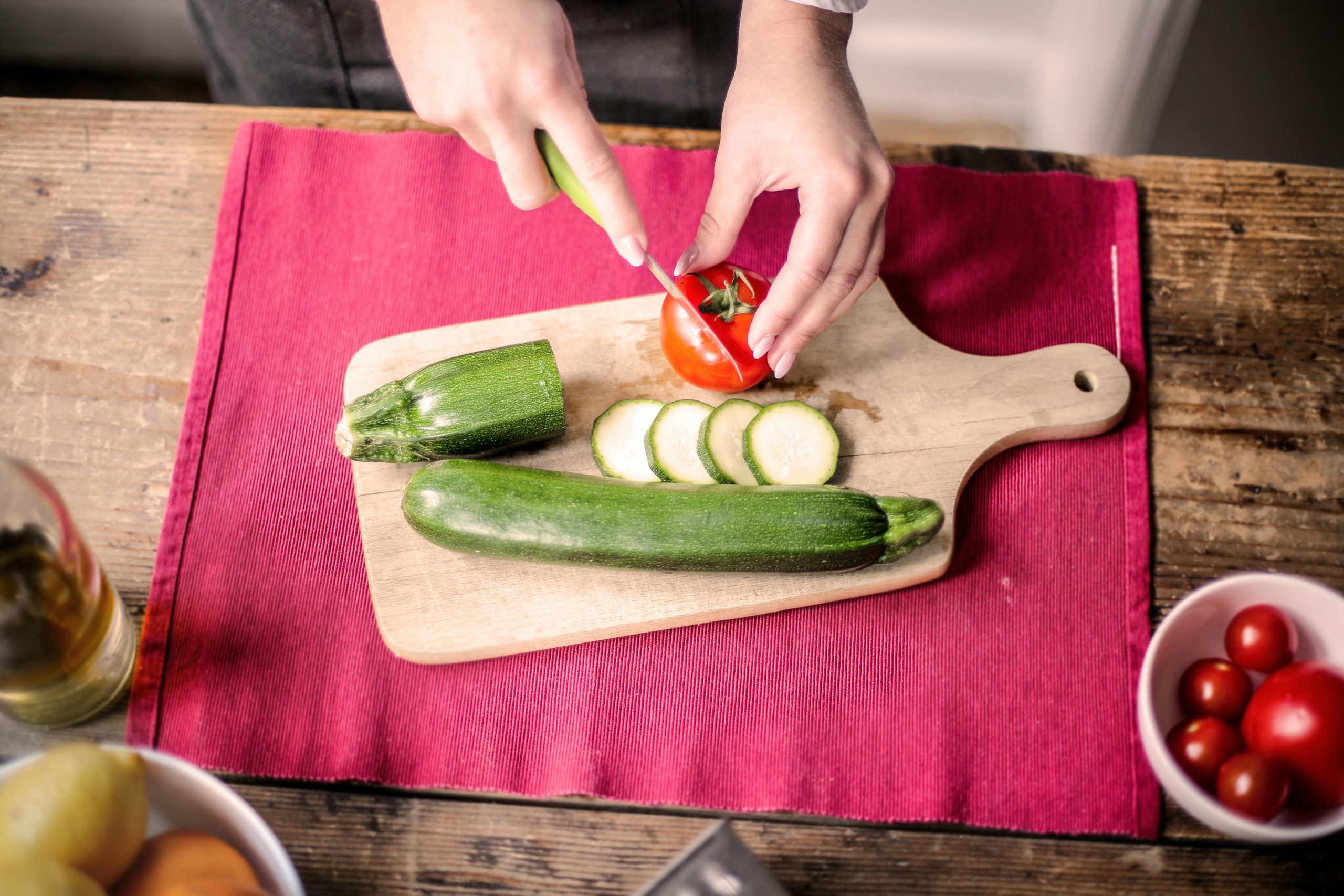
This small opening is often used only as a carrying handle. The slot on many cutting boards is a great way to grip, hang or carry the board. But it can also be the guide to slide chopped vegetables, herbs or fruit into a pan or bowl.The advantage is apparent when the counter is already crowded. The slot can take a more narrow path instead of pushing onions that have been diced from a wide edge losing bits in the process. It’s not great for every type of food, but for chopped ingredients it can make cleanup easier and cooking more controlled.
The Triangle Tabs on Foil Lids and Takeout Containers

It’s easy to ignore the little tabs on aluminium containers. Many takeaway trays, pie tins and disposable foil pans have bendable edges or tabs to hold a lid in place. People often just put the lid on top and hope it stays there.That little move can help leftovers make it in the fridge better. By folding the tabs down, the lid can stay on when the container is jostled. It can also help reduce spills of sauce, gravy or casseroles — especially in a crowded refrigerator after a holiday meal or weekend takeaway night.
The Extra Loop on Some Towels and Kitchen Cloths
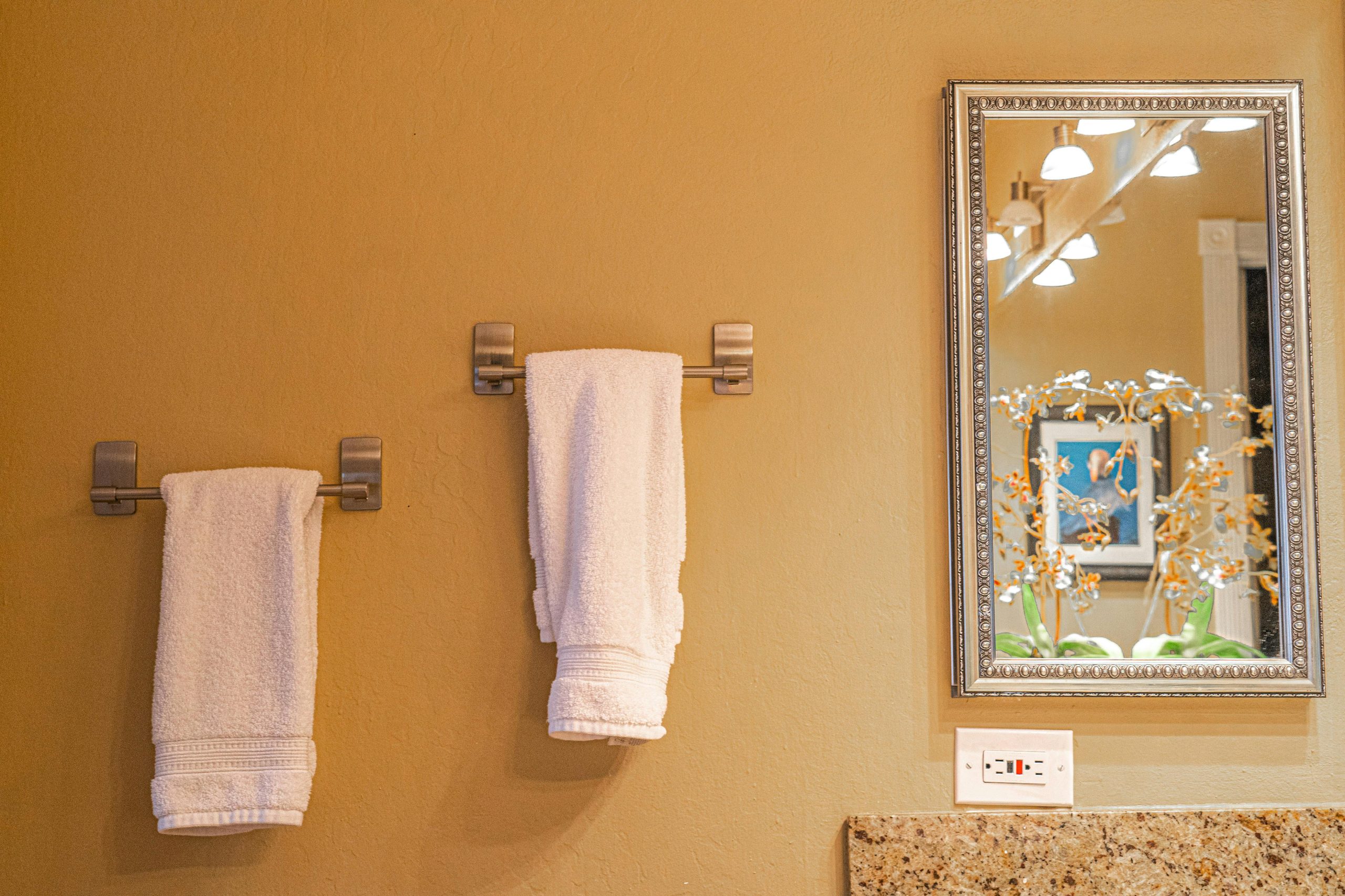
The loop is noticed by most people only when the towel falls again. Lots of dish towels, microfibre rags and bathroom hand towels have a little loop sewn in. Designed to help the towel hang more securely from a hook, cabinet knob, oven handle, or laundry room rack. The secret use is really drying and clutter control. A towel left crumpled on a counter, sink edge or washer lid can remain damp longer and give a messy look to the area. The loop keeps it visible, accessible, and more likely to dry out between uses.
The Small Hole in a Pasta Spoon
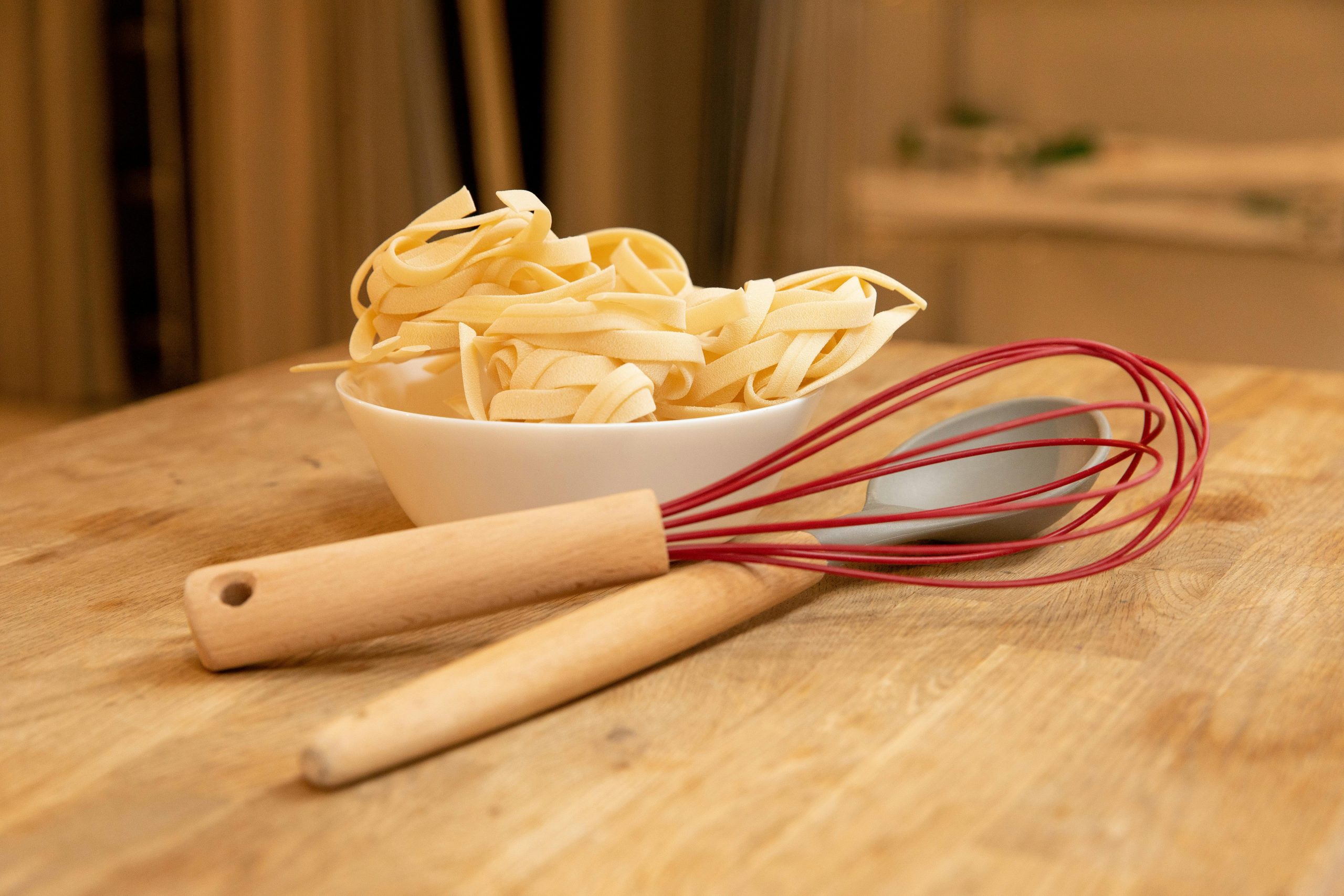
The hole in the middle of a pasta spoon isn’t just for looks. In many pasta servers, it helps drain water when lifting noodles from the pot. Some also use the hole as a rough guide to a single serving of dry spaghetti, but spoons vary in size. The valuable lesson is not to confuse it with a precision measuring device. It may help with portion control in a casual weeknight dinner, but different brands and appetites change the result. Yet it’s one of those little kitchen details that makes people do a double-take at a tool they’ve owned for years.
Pull-Out Tab of the Tape Measure
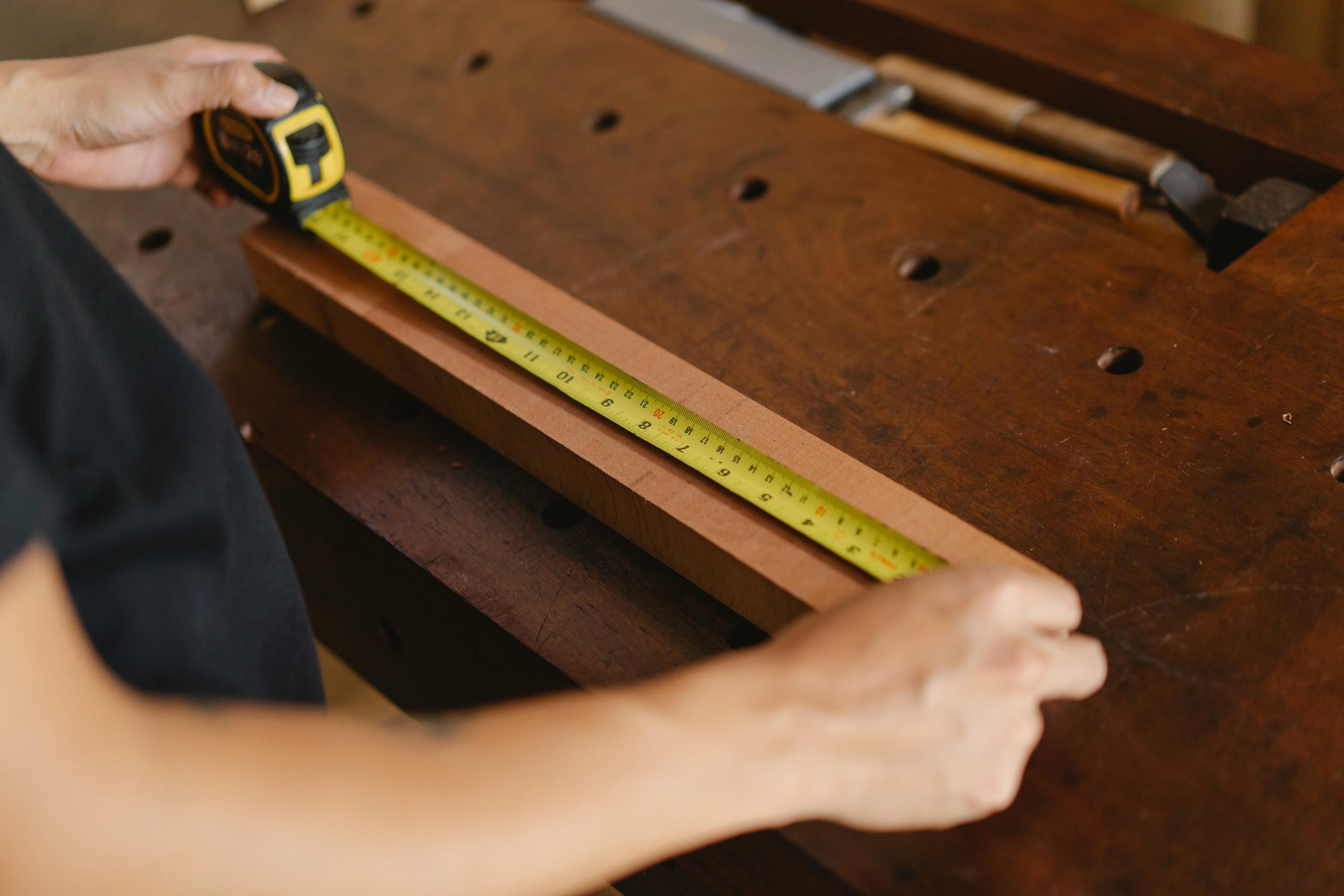
That loose end of metal is not broken, necessarily. Many tape measures have a little moving hook on the tip. That little movement is part of why the hook is thick, whether you are measuring inside something, or catching the edge from the outside. It is important during regular home projects. A hook that looks loose in a garage, basement or backyard shed can actually help make measurements more accurate. Some tape measure hooks have a tiny slot that you can hook onto a nail or screw, making it easier to measure by yourself without someone holding the other end.
The hidden purpose of bread bag clips
Sometimes a small domestic issue can be resolved by something people throw away too soon. Plastic bread clips can be used to instantly identify cords, chargers or strands of holiday lights by reusing them. If you label a clip “TV,” “router,” or “lamp,” a messy power strip can be easier to understand. The best hidden uses are those that cost nothing. Cord confusion is frustrating and time-consuming in a home office, entertainment center or kitchen charging station. A bread clip is nothing fancy, but it can make a pile of identical cords a bit easier to manage.
The little bump on some keys on a keyboard

There’s a reason for the little lump under your finger. Most keyboards have raised markings on the F and J key’s. They help typists find the home-row position without looking down, which can lead to smoother and faster typing. This secret detail can be useful beyond office work. Keyboards are used for bill paying, school forms, grocery orders, work-from-home meetings and family paperwork in many homes. Once you see those little bumps, they don’t feel random anymore, they feel like a silent shortcut in the design.
The Real Payoff Is Seeing What Your Home Already Provides
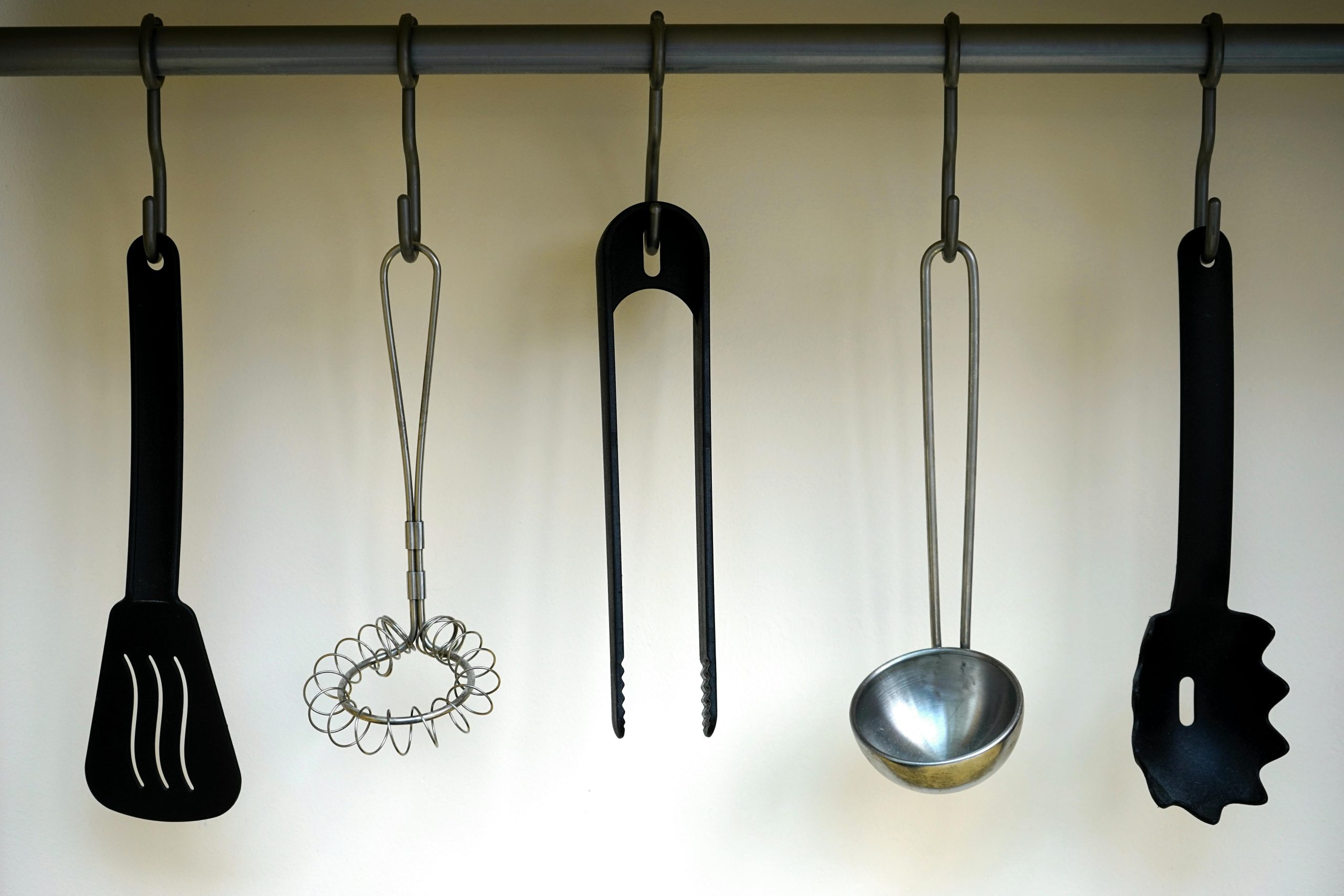
The greatest surprise is how many useful details are already embedded in everyday things. The foil box tab, oven drawer, fridge slider, ceiling fan switch, towel loop and tape measure hook aren’t dramatic upgrades, but can remove little daily frustrations if used properly. The good habit is to learn to pause before ignoring a strange tab, hole, notch, drawer or switch. In many American homes, the time-saving, mess-reducing or grocery-protecting object might already be sitting in the kitchen, bathroom, laundry room, garage or home office. Once you begin to notice these secret uses, the ordinary details of your household will cease to appear mundane.
Bottom of window