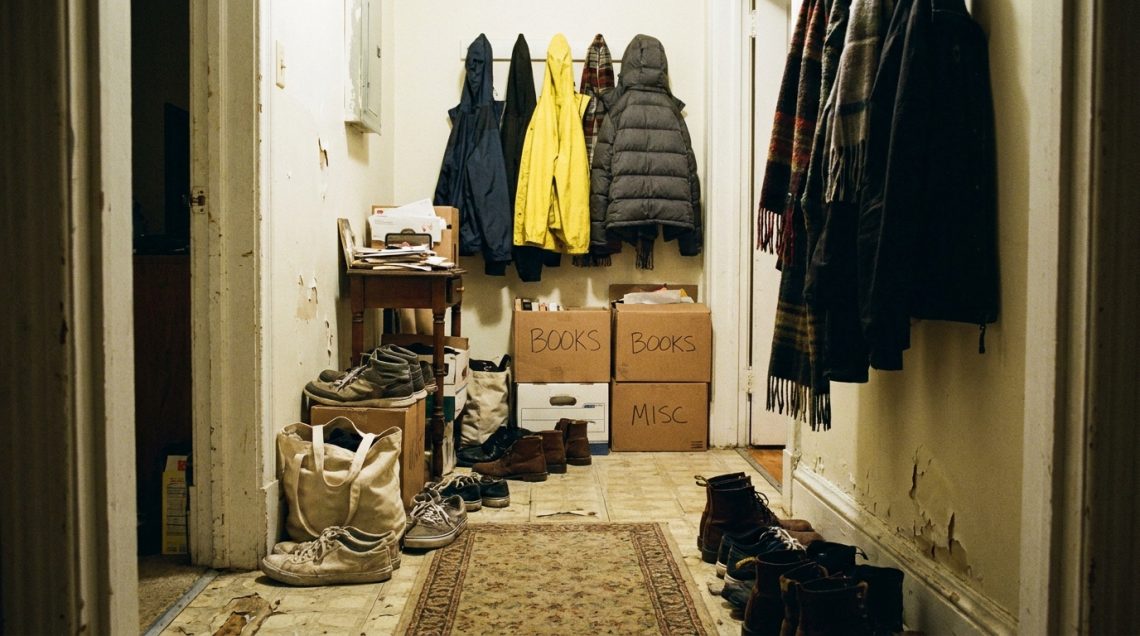
Most people will focus on the size of the home, but the way you store things can make a small place feel even smaller than the floor plan indicates. You’re not always out of storage space in many U.S. apartments, older homes, townhouses and starter houses. That the storage is being used to block movement, hide useful items and make every room feel visually crowded.
The clue is usually right in front of you: bursting closets, overflowing pantry shelves, cluttered counters, and packed under-sink cabinets and entryways where bags and shoes become permanent furniture. A small home feels even smaller when everything is busy and every cabinet is a small rescue mission just to find one thing.
Using the Floor as a Storage Zone
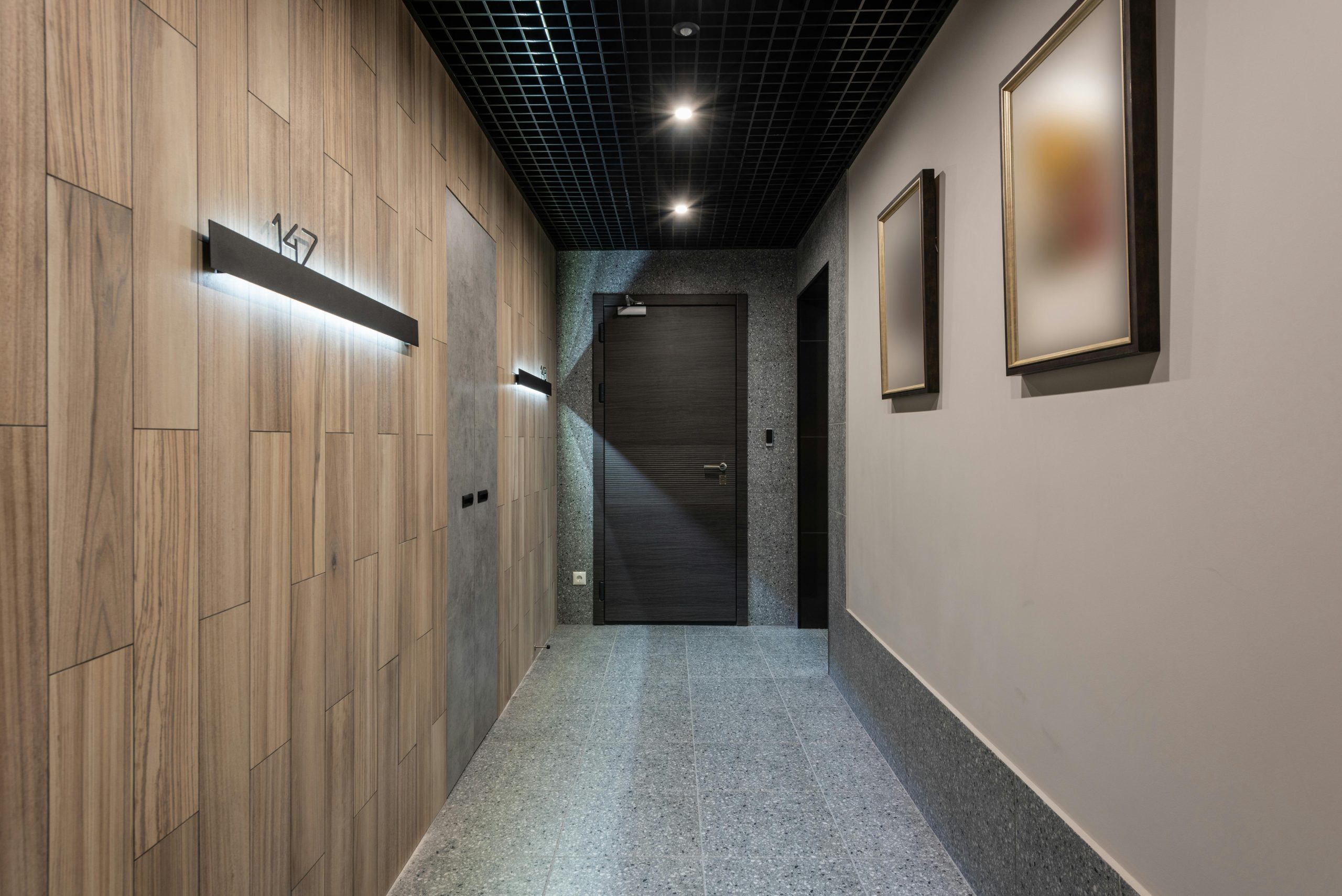
This seems innocuous enough at first, but floor storage soon makes a small home feel boxed in. Shoes by the door, Amazon boxes against the wall, laundry baskets in the hall, reusable grocery bags next to the kitchen can all feel temporary until they’re part of the room.The problem starts long before it looks serious because floor clutter takes up visual space and walking space at the same time. Even when they are useful, the eye sees obstacles everywhere and the room feels less open. Clearing the floor can make the same square footage feel calmer, almost instantly, in a small flat or suburban starter home.
Packing Closets So Tight Nothing Can Move
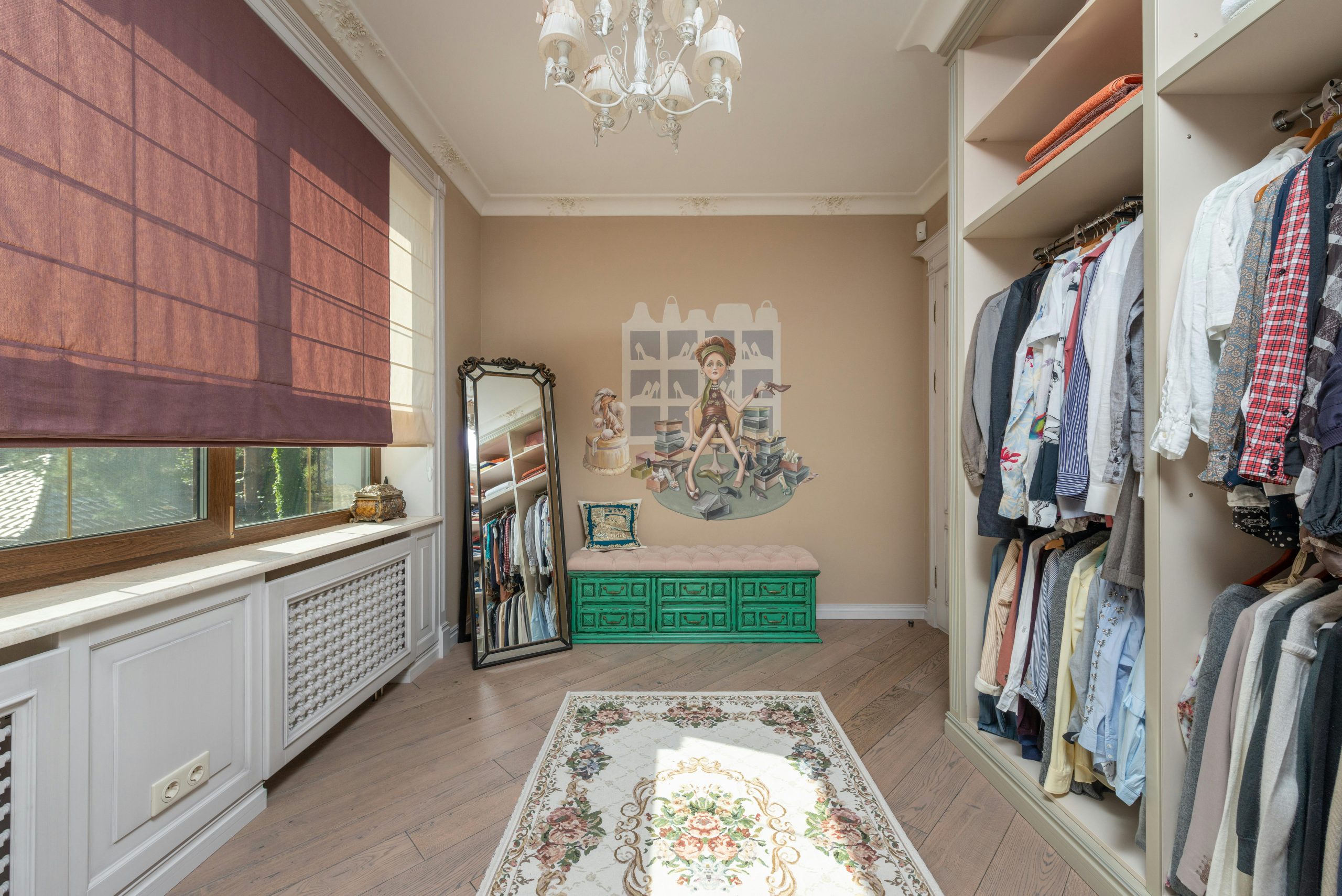
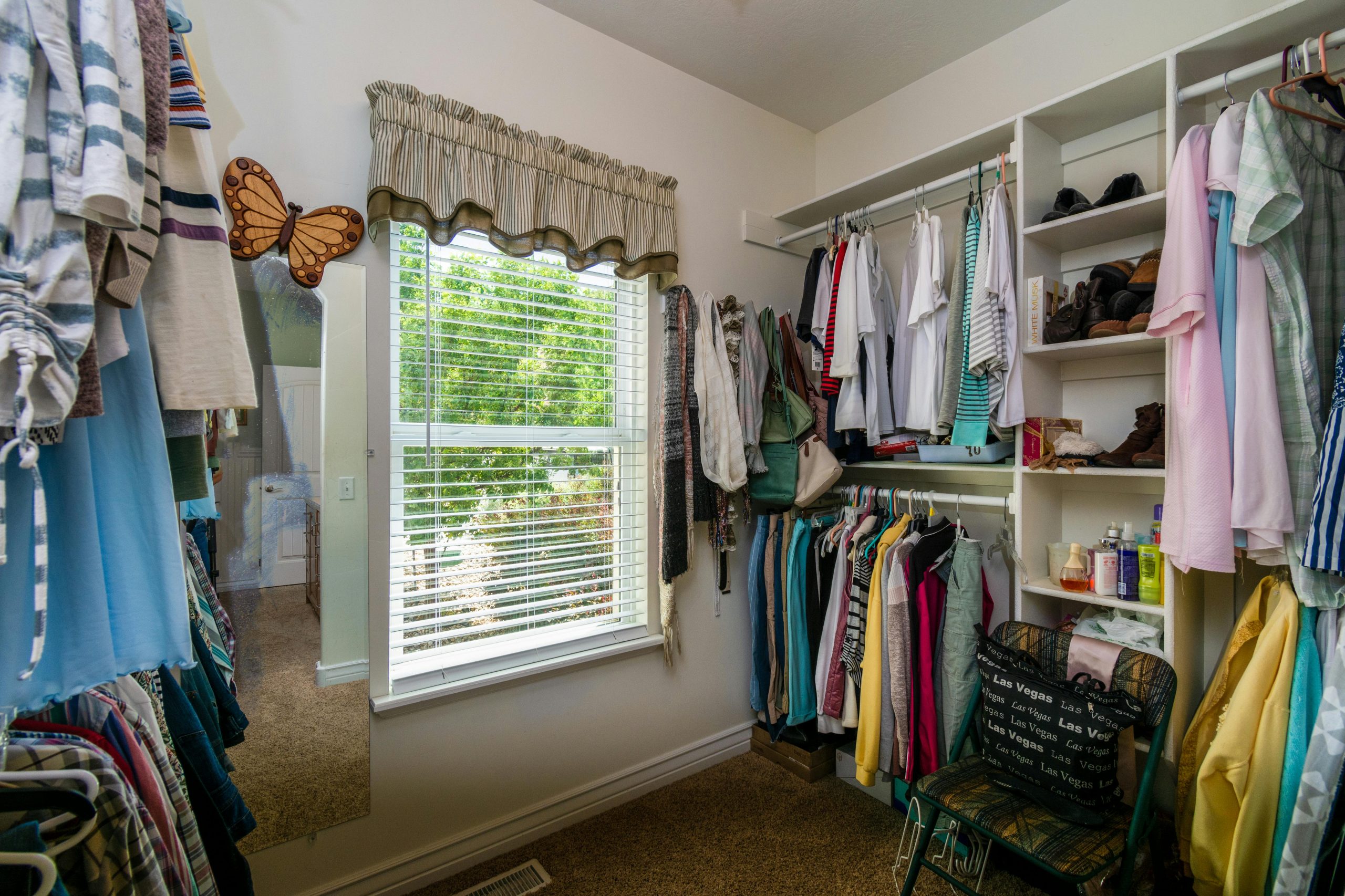
Most people don’t realise this until getting dressed becomes a chore. You can fill a wardrobe and it doesn’t work. When every hanger is squeezed tight, every shelf is packed to the edge, and every bin is stacked behind another bin, the closet stops saving space and begins hiding space.One of those home habits that seem normal until someone tells you. A wardrobe needs room to breathe. If clothes can’t slide, shoes can’t be seen and bins can’t be pulled out without moving three other things, the storage is creating daily friction. Small homes feel smaller because of friction. Friction means it takes more effort to do simple tasks.
Storing Rarely Used Items in Prime Spots
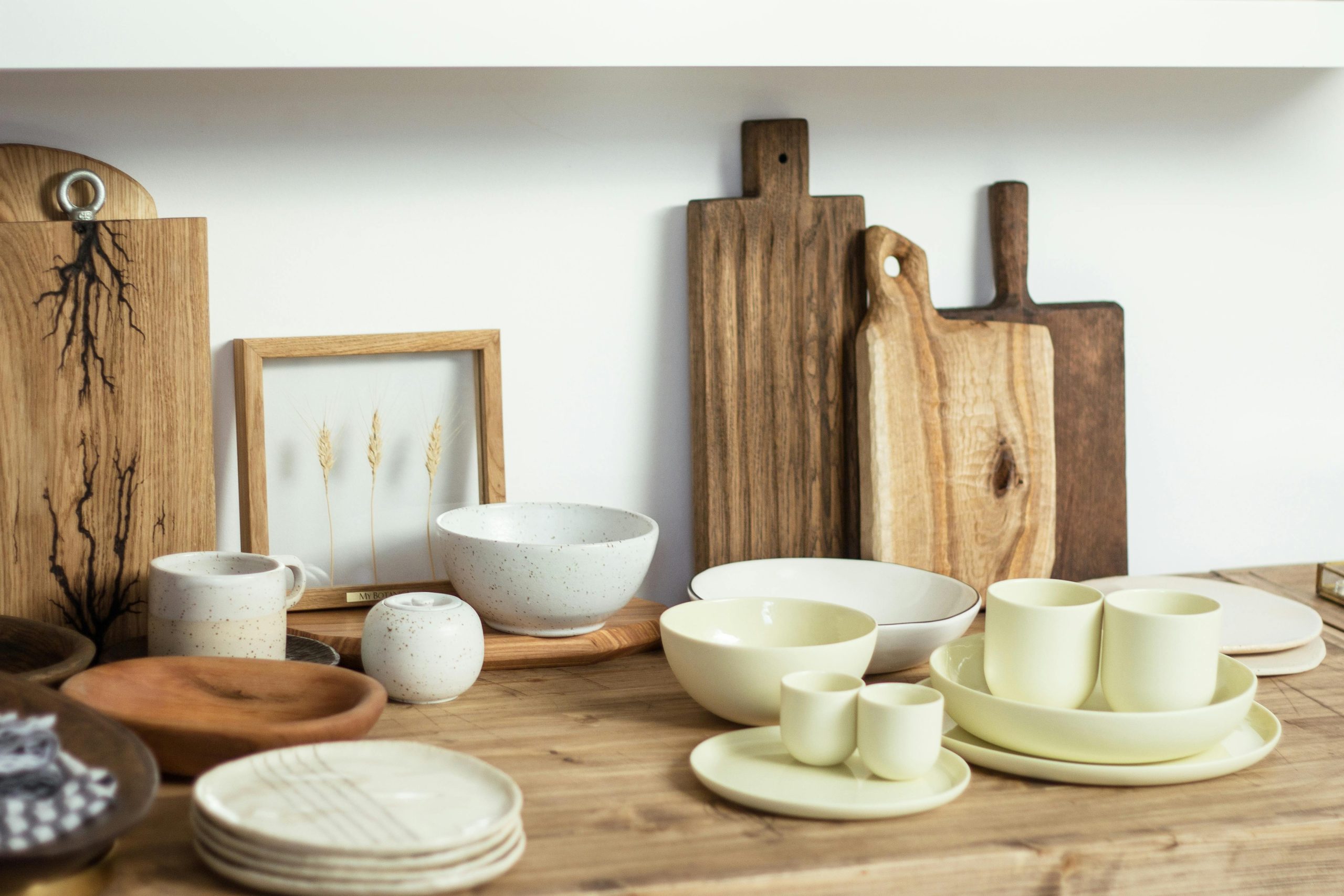
The wrong item in the wrong spot can quietly ruin the best storage in the house. In a lot of American kitchens, the most easily filled shelves are stacked with holiday platters, extra mugs, party bowls, waffle makers or serving trays that see the light of day only a few times a year.That little detail may be more important than people realise. The prime storage should be the stuff you use every day: plates, cups, food containers, lunch supplies, cleaning basics and pantry staples. Rare items occupy the prime real estate, everyday items get crammed onto counters, into awkward corners or into packed drawers. Which makes the whole kitchen seem smaller.
Treating Countertops Like Permanent Shelve
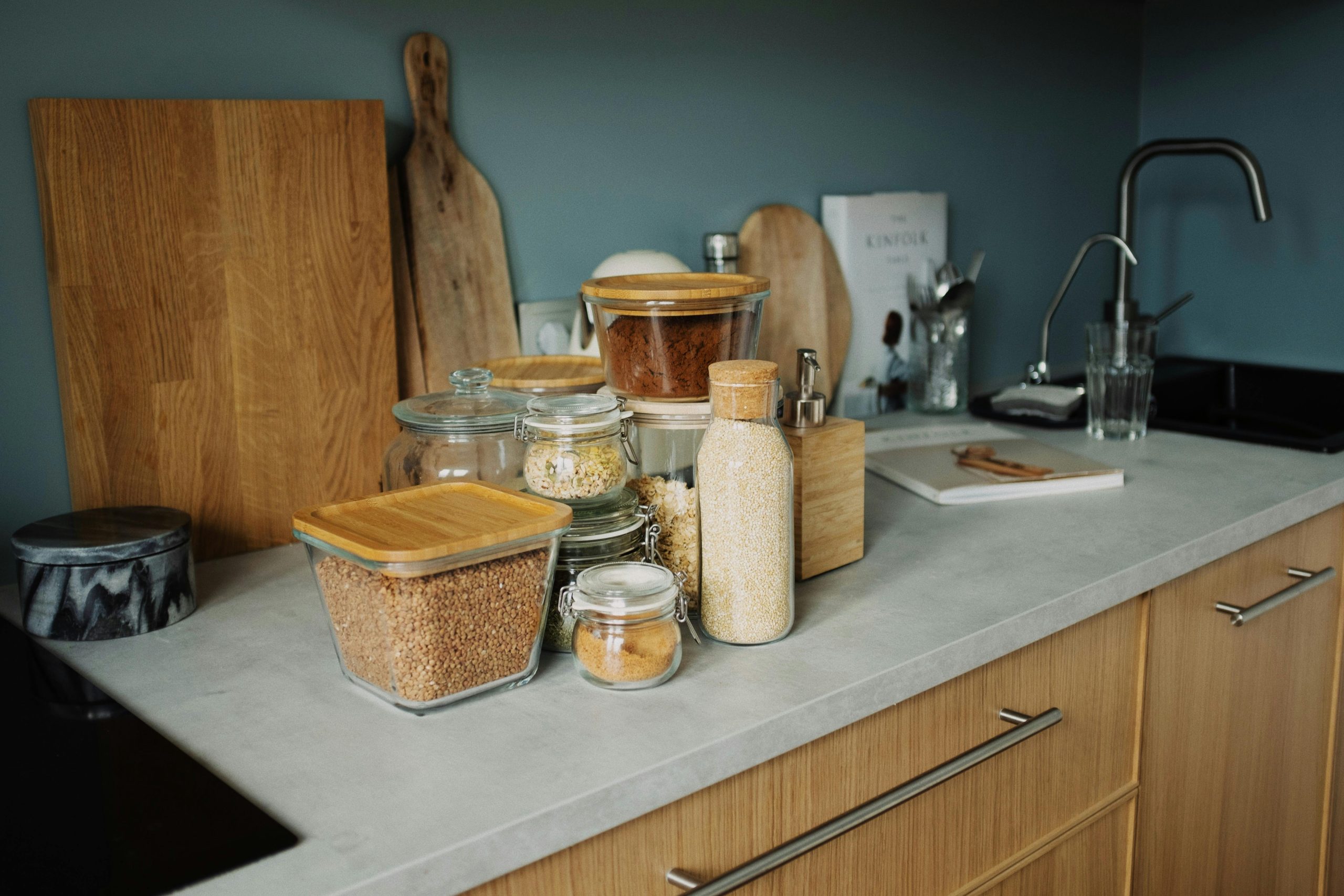
What seems like convenience can sometimes take away the most valuable space in the kitchen. Counters often become the home of toasters, air fryers, coffee stations, mail piles, vitamin bottles, snack bags and water bottles because they’re used often or need a quick home.The hidden issue is that countertops are not storage, they are working space. Every square inch of prep space counts in a tiny kitchen. With cabinets doing their job, the kitchen looks smaller, cooking feels harder and grocery unloading feels messier when the counter becomes a shelf.
Overusing Big Bins in Small Spaces
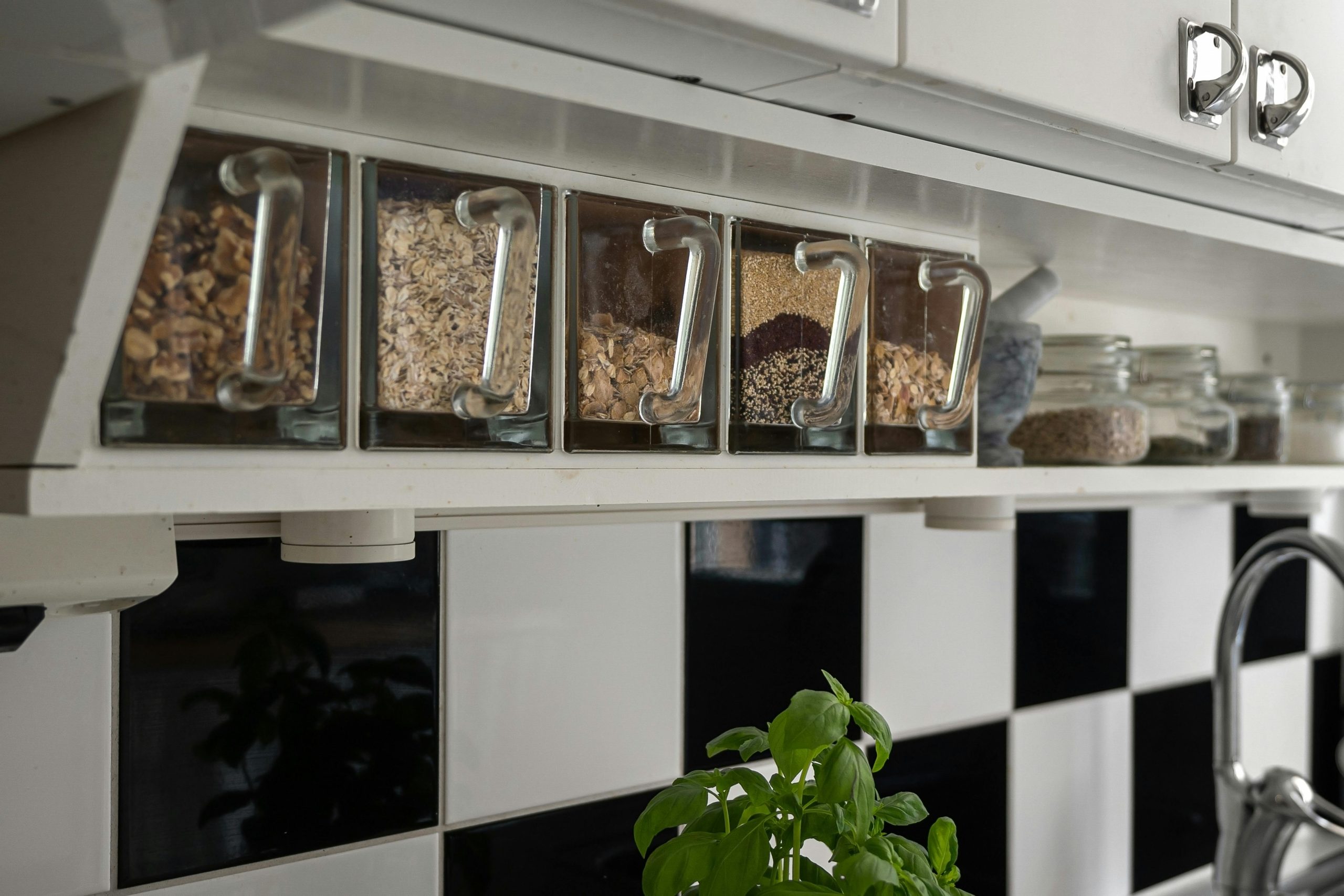
This storage shortcut can blow up if the container is larger than the problem. Big bins are an easy fix for storing clutter quickly, but in small closets and pantries, bulky containers can take up shelf space and make it harder to see everything.The empty air around the bin is the clue. A container that is too tall, deep or wide can block access and create dead space around it. Shallow baskets, stackable containers or smaller clear bins often work best because they are designed to fit the shelf, not the other way around.
Ignoring Vertical Space on Walls and Doors
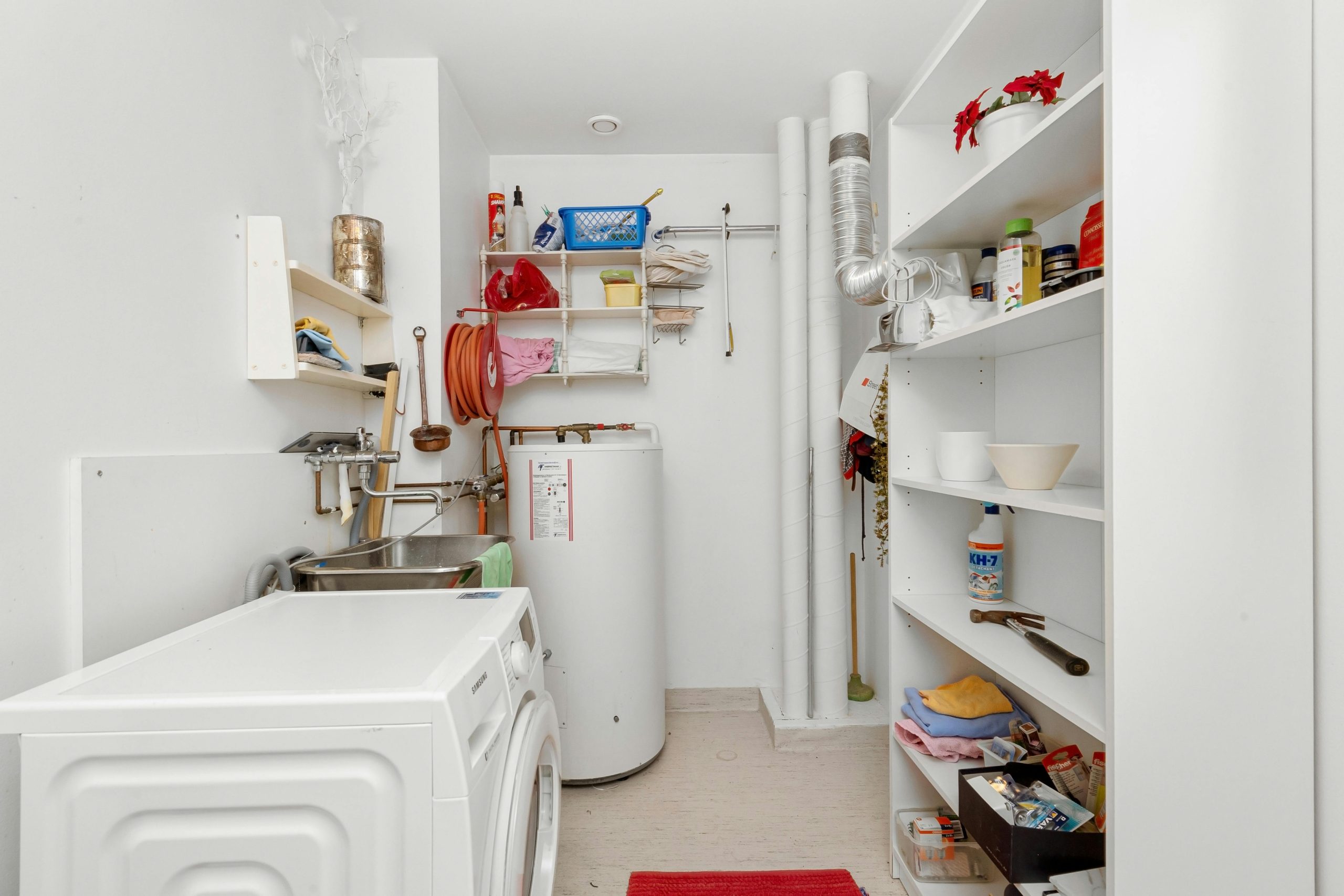
Most people look at the walls, then look for more shelves. One of the easiest storage wins in small homes can be vertical space, particularly behind closet doors, pantry doors, laundry doors and bathroom doors.The mistake is to have the lowest part of the room take it all. Cleaning sprays, bags, towels, pantry packets or laundry items accumulate on the lower shelves making the room feel crowded. Racks on doors, hooks, narrow wall shelves and hanging organisers can lift light items up and out of the way.
Keeping Too Many “Just in Case” Items
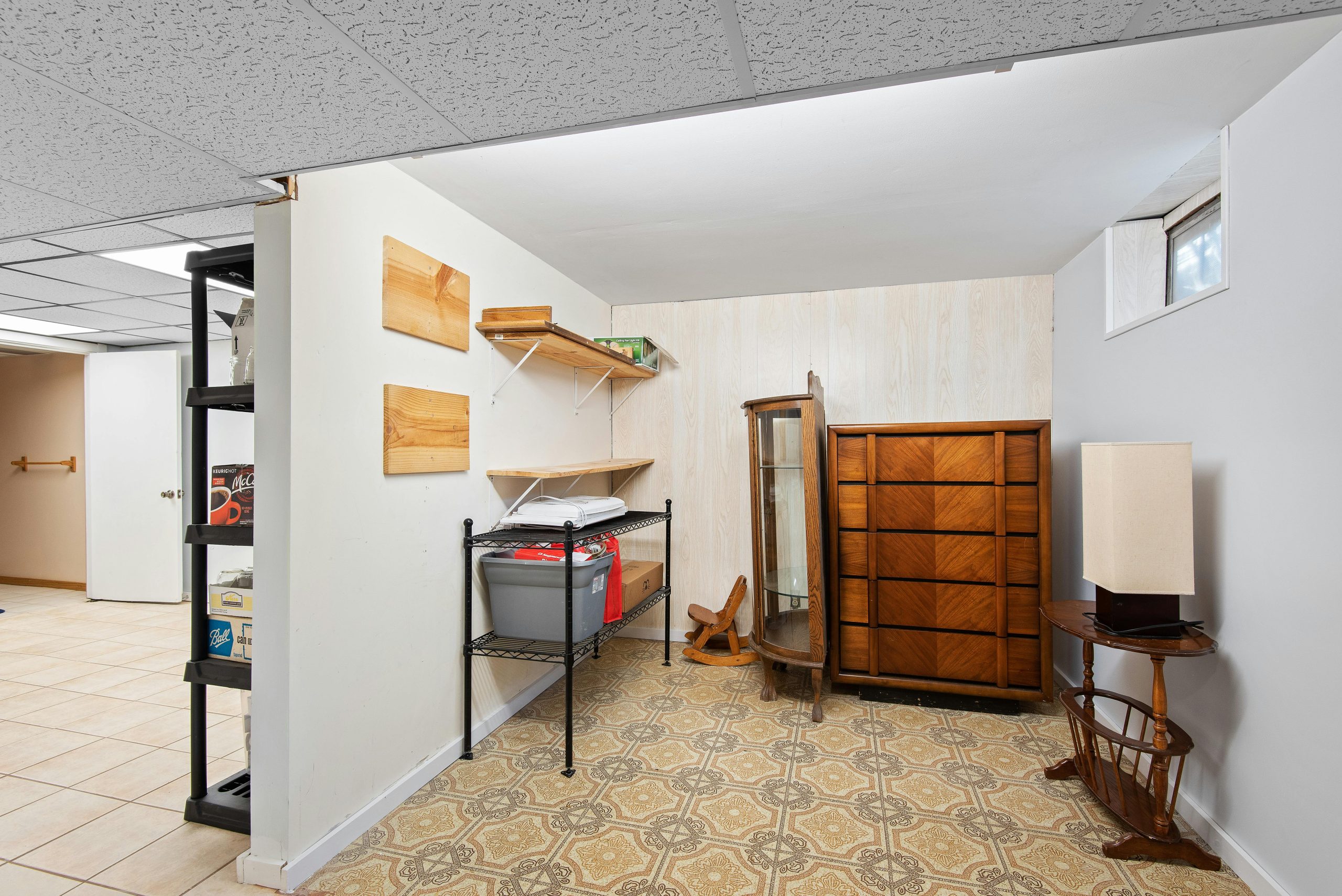
This is where small homes are losing space without anyone noticing. Extra cords. Old chargers. Empty jars. Spare tote bags. Random screws. Half-used craft supplies. Broken small appliances. Delivery boxes. These are often left behind because they might be useful sometime.It’s not about having a few backups. It’s about having backups that crowd out the things that matter now. “Just in case” items clog closets, garages, basements and under-bed storage spaces in many U.S. homes. If it has no obvious function, no clear place to live, and no recent history, it may be paying rent in a house that already feels full.
Letting the Pantry Become a Deep Black Hole
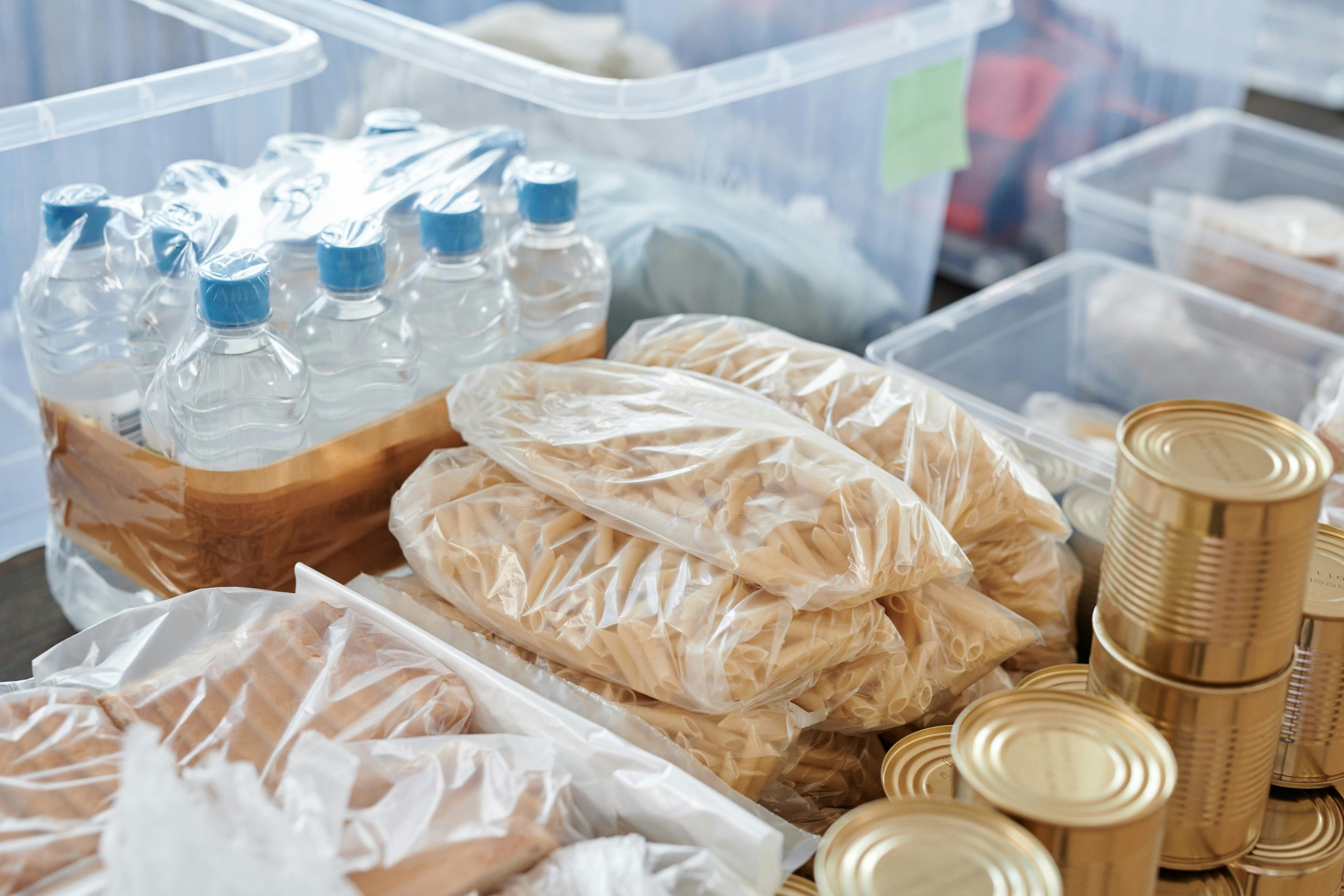
This mistake may cause food to disappear before use after a grocery run. Deep pantry shelves are often stuffed with cans, boxes, bags and snacks, especially in apartments or older kitchens where cabinet space is limited.The money problem is that hidden food frequently becomes forgotten food. People might buy duplicates or let things get stale if pasta, soup, crackers, baking supplies or cereal get pushed behind newer groceries. A small pantry is more functional when you group items by use and see the back row not hidden behind a wall of packaging.
Using Under-Sink Cabinets Without Zones
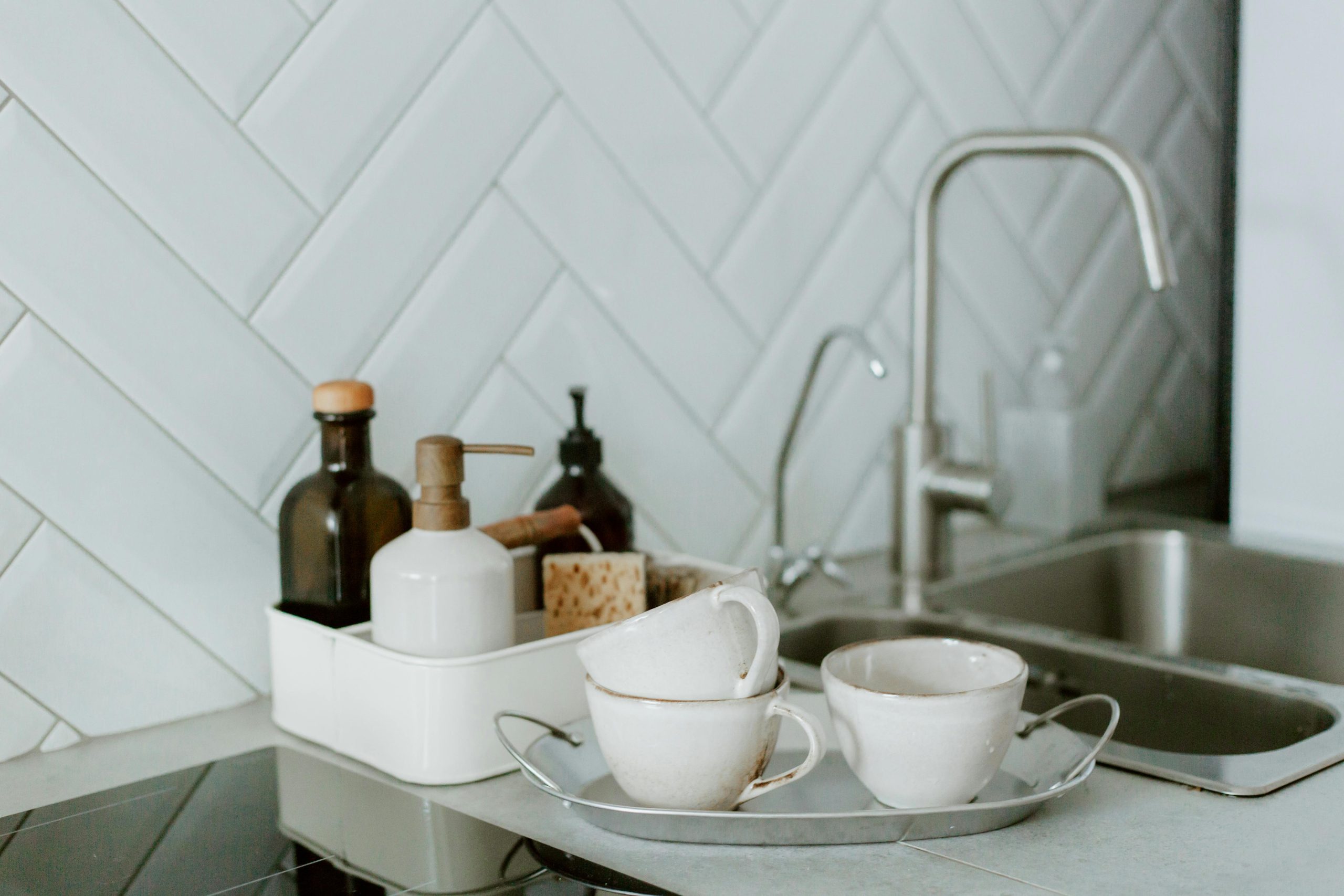
This cabinet can make the whole kitchen feel cluttered. Under the sink is often the drop zone for sprays, sponges, trash bags, dishwasher pods, gloves, scrub brushes and random bottles.
The fix usually begins with zones, not more stuff. Cleaning sprays need a spot. Trash bags need a spot. Small things need a bin or caddy. When things are not organised, people go through the cabinet, knock down bottles and forget what they have. That hidden mess in a small home often spills over onto counters and other cabinets.
Forgetting That Open Storage Creates Visual Noise
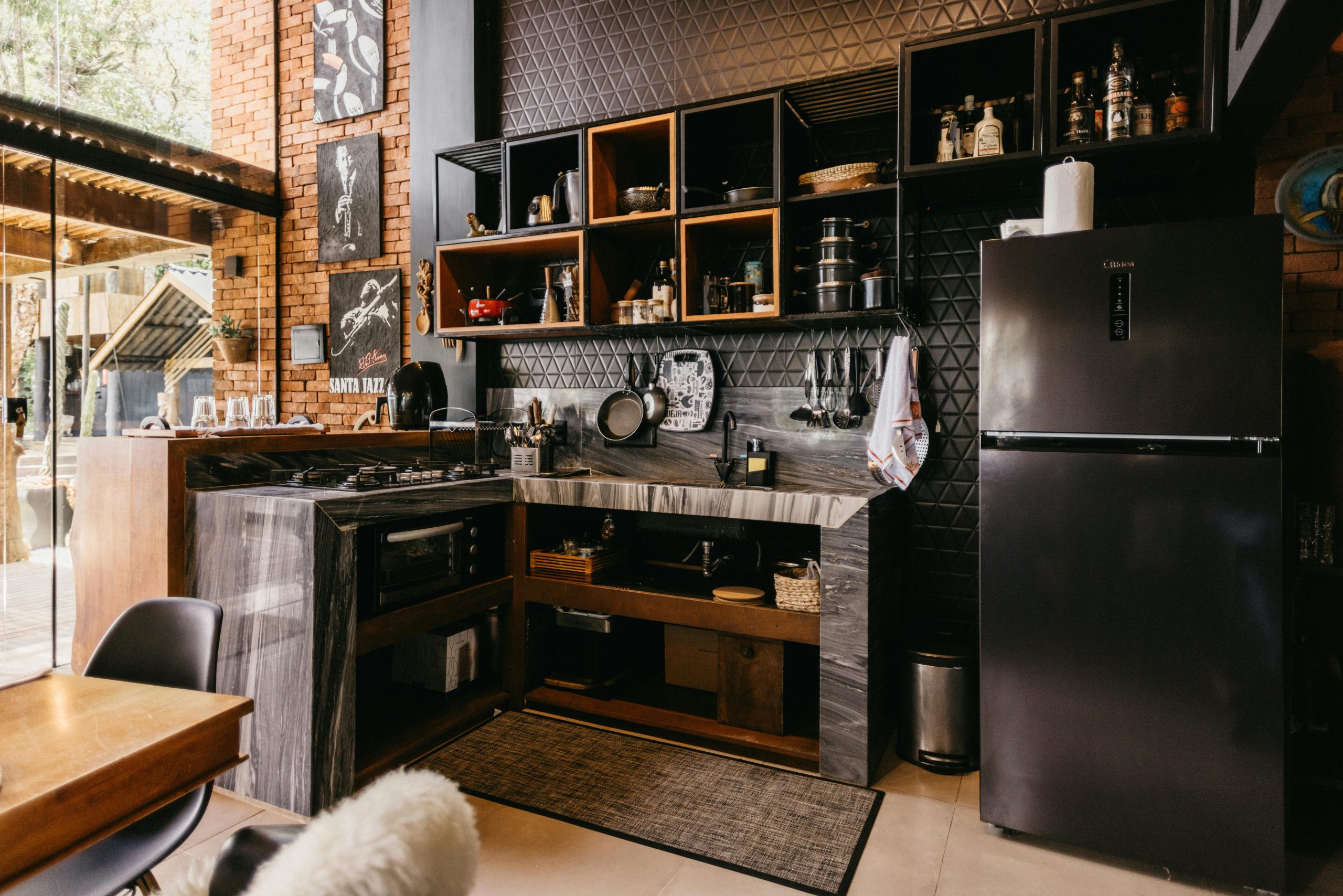
Open storage looks convenient but can feel cluttered when you see everything. Shelves, rolling carts, wall racks and open cubbies are only effective when they are controlled. They start to feel noisy if there are too many colours, labels, shapes, bags and loose items in the room.The trick is not to hide everything, but to decide what is worth seeing. Open shelving is usually best with fewer items, matching containers and clear categories in a small living room, kitchen or bathroom. The house feels smaller when the shelves are full, as the eye has nowhere to rest visually.
Stacking Items So High They Become a Chore
Stacking is a good idea, until the one thing you need is at the bottom. Tall stacks of bins in garages, closets, basements and spare corners may make you feel like you’re in control but they’re harder to get to.The hidden cost is inaccessible storage becomes neglected storage . It’s easier to leave things out than to move four containers around to get one thing. This is how wrapping paper and tools and sports gear and seasonal decor and cleaning supplies get scattered throughout the house. Easier access to items in storage.
Not Giving Everyday Items a Landing Spot
One little missing system can make the whole house feel messy. Keys, mail, sunglasses, wallets, school papers, receipts, earbuds, loose change… all need a predictable place to land, especially in a small house where surface area is at a premium.The pay-off is bigger than the basket. A small drawer, mail sorter, hook strip or tray near the door can keep daily clutter out of the kitchen, coffee table, dresser and bathroom counter. Smaller things stop moving and the home feels more open.The Small Home Storage Payoff The biggest storage win often isn’t buying more organisers. It is seeing the habits that make the home feel crowded every day: floors as shelves, closets that are stuffed too tightly, counters that are used as storage, pantry food that is layered on top of each other, and “just in case” items that take up prime real estate. Small American homes can feel so much larger when the most-used items are in the easiest spaces, the floor stays clear, open shelves stay calm and hidden cabinets are grouped by purpose. The tell-tale signs are easy to spot when people know what to look for: blocked pathways, hard-to-reach bins, duplicate groceries, crowded counters, cabinets that fight back every time they open. The helpful secret is simple: storage should make life easier every day, not just hide the clutter out of sight. When each item has a clear reason, a clear home, and a clear path back, even a small flat, rental, condo, or older house can feel more open than before.